
I was "the skinny one" my whole life, teased about it at family dinners, school reunions, literally everywhere, even by relatives who meant well but somehow said the wrong thing every single time and by my mid-twenties I was just done with it. Three months of eating everything in sight with zero results and I finally caved and booked an appointment with a dietitian.
If you've spent years trying to gain weight and gotten nowhere despite eating "enough," this is basically me walking you through what working with a dietitian for weight gain actually looks like day to day. Why eating more alone rarely works long term and what genuinely changed for me once someone finally looked at the whole picture instead of just telling me to eat bigger portions and calling it a day.
No generic advice here. Just what actually happened, the plan that worked and the mistakes I made trying to fix this alone first, badly, for way too long.
Why Gaining Weight Isn't as Simple as Eating More
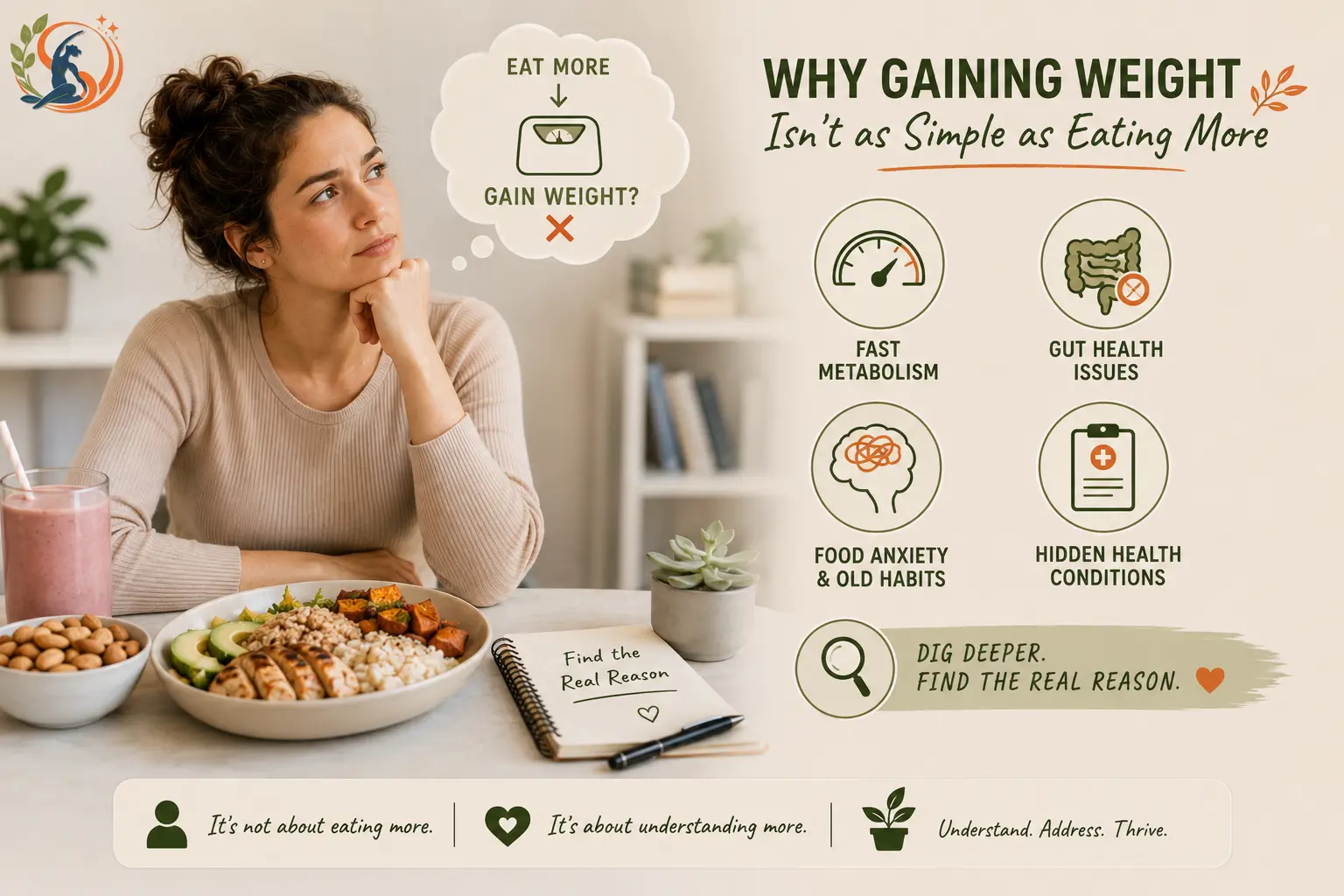
Everyone assumes gaining weight is the "easy" version of the weight problem, like just eat more and boom, done. Turns out that's not remotely true for a lot of people, me very much included. My metabolism, my gut health, even some old anxiety around food I didn't even realize I still had, all of it was quietly working against every extra plate I tried to force down.
A specialist in this doesn't just hand you a calorie number and send you off into the world without a second thought. They actually dig into why your body isn't holding onto weight in the first place, whether it's a fast metabolism, some health condition nobody's flagged yet or genuinely disordered eating patterns hiding behind the label of "just a fast metabolism." Mine, turns out, was a mix of two of those things, which honestly explained years of frustration in one single conversation I probably should've had way earlier than I did.
What Does a Dietitian for Weight Gain Actually Do

Walking into that first appointment, I genuinely expected a printed meal plan and a pat on the back, maybe a pep talk. What I got instead was almost an hour of questions I hadn't even braced for, followed by a plan that looked nothing like what I'd pictured going in.
Initial Assessment and Health History
The first session isn't really about food at all, weirdly. It's about everything around it, sleep, stress, digestion, family history, medications, all of it gets covered before a single meal even comes up. My dietitian caught a thyroid issue nobody had ever mentioned, just from asking the right follow-up question at the right moment.
Building a Calorie Surplus Plan
Once the bigger picture's clear, the actual eating plan gets built around a realistic surplus, not some arbitrary huge number that sounds impressive on paper but is impossible to actually sustain week after week. Mine started small, just a couple hundred extra calories a day, spread across meals I could realistically finish without feeling sick afterward.
Addressing Underlying Causes
If something's actively working against weight gain, fast metabolism, poor absorption, chronic stress, a specialist like this will usually loop in other people too. Mine sent me for bloodwork that flagged something my regular doctor had somehow missed for years. Without that referral I'd honestly probably still be stuck guessing.
Ongoing Monitoring and Adjustments
This isn't some one-and-done plan you get handed and then never revisit. Check-ins every few weeks meant constant tweaking, adjusting portions, swapping out foods that weren't sitting well, recalculating as my weight actually started shifting instead of sticking rigidly to something that stopped working after month one.
Signs You Might Need a Dietitian for Weight Gain
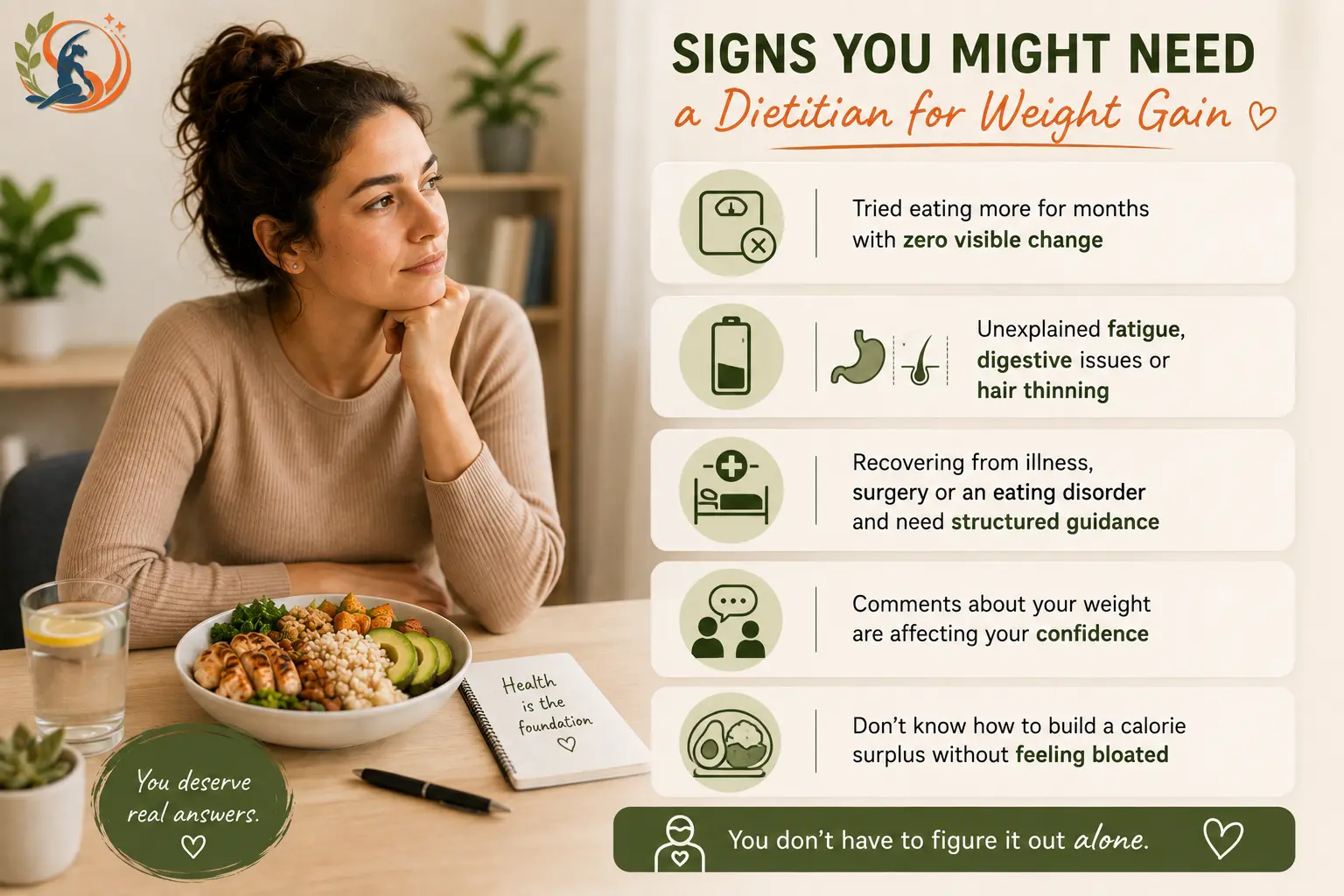
Not everyone struggling to put on weight needs professional help, sure, that's fair to say. But a lot of people wait way longer than they should before getting it, me included if I'm being honest. Here's when it's genuinely worth booking that first appointment instead of pushing through alone for another few frustrating months:
You've tried eating more consistently for months with basically zero visible change
Weight issues coincide with unexplained fatigue, digestive problems or hair thinning that won't quit
You're recovering from an illness, surgery or eating disorder and need actual structured guidance
Family or friends keep commenting on your weight and it's chipping away at your confidence
You genuinely don't know how to build a calorie surplus without feeling constantly bloated
How to Choose the Right Dietitian for Weight Gain

Not every dietitian specializes in this and honestly that caught me off guard going in, I'd just assumed anyone with the credential could handle it. A lot of them focus heavily on weight loss clients, which makes sense given demand, but it means finding someone who actually gets weight gain takes a bit more digging than you'd think for something that sounds so simple.
I called three different clinics before finding someone who didn't just default to a generic "eat more" pamphlet the second I mentioned wanting to gain instead of lose. Look for someone with real experience in underweight clients, sports nutrition or clinical nutrition specifically, since those areas tend to overlap most with this kind of work.
Credentials matter too, a registered dietitian nutritionist carries actual clinical training that a random "nutrition coach" often just doesn't have and that distinction mattered a lot once bloodwork got involved in my case. I nearly signed up with an online coach before realizing they had zero clinical background, just a certificate from some weekend course.
Questions to Ask Before You Commit
Do you have specific experience helping clients gain weight, not just lose it?
Will you coordinate with my doctor if bloodwork or underlying issues come up?
How often will we actually check in and adjust the plan as things change?
What does a typical weekly meal structure look like under your guidance?
Are you a registered dietitian and what's your specific clinical background?
What a Typical Weight Gain Plan Looks Like
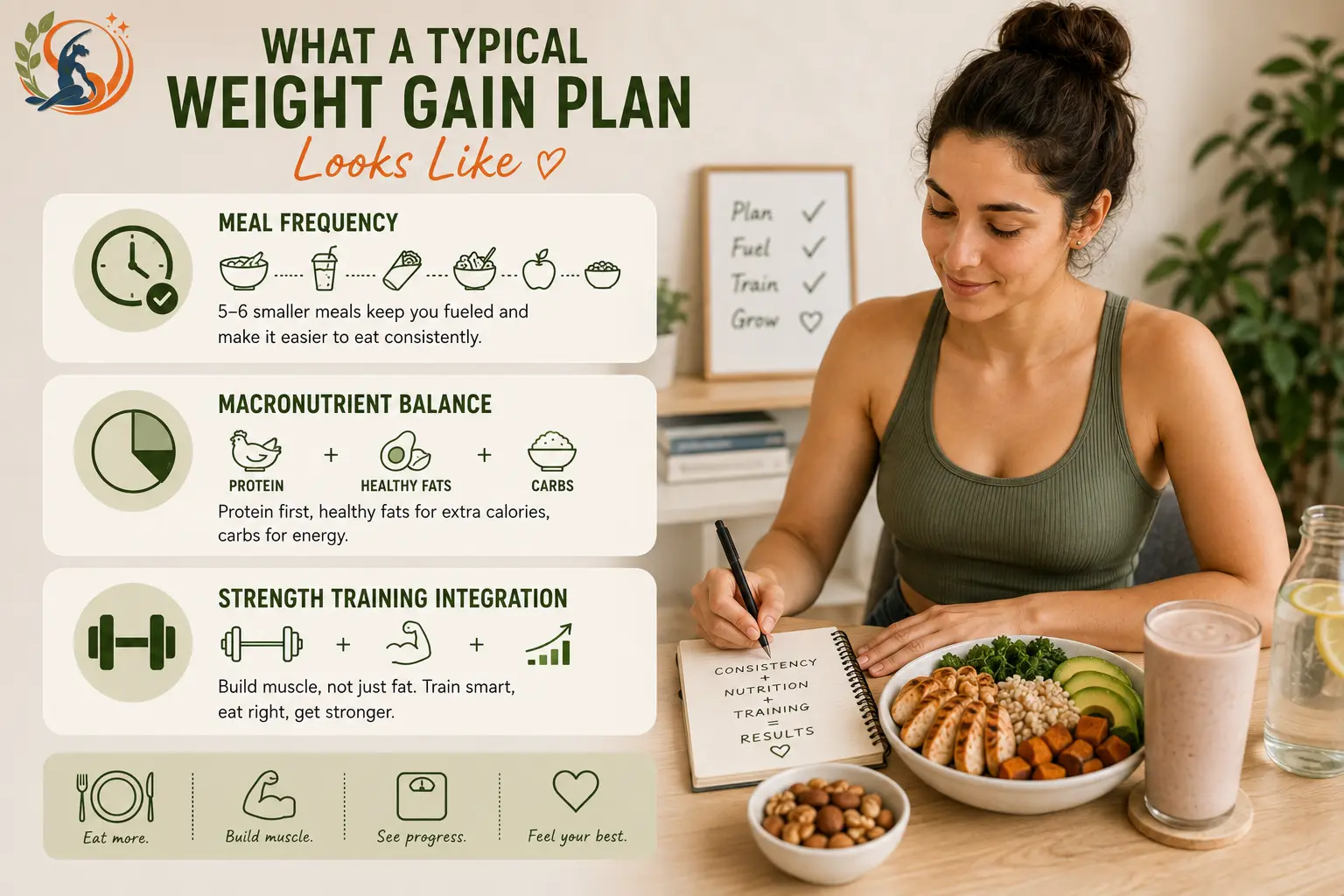
Every plan looks a little different depending on the person, obviously, but mine followed a pattern a lot of specialists tend to use with clients coming in for this exact reason.
Meal Frequency
Instead of three big meals I could barely finish without feeling gross, my plan split things into five or six smaller ones throughout the day. Way easier to actually eat consistently without that uncomfortable, overly-full feeling that used to kill my appetite by dinner most nights.
Macronutrient Balance
Protein got prioritized heavily, alongside healthy fats like nut butters and olive oil that pack in calories without needing huge portion sizes. Carbs filled in the rest, giving me actual energy to keep eating consistently instead of feeling sluggish and defeated after every single meal.
Strength Training Integration
My dietitian actually looped in a basic strength routine too, since gaining muscle instead of just fat made the whole process feel a lot more sustainable and honestly way more motivating to stick with long term than just watching a number climb.
Benefits of Working With a Dietitian for Weight Gain
Beyond just the scale finally moving, there were things I genuinely didn't see coming, things that surprised me a few months into all this:
A structured plan that actually accounted for my specific metabolism and health history
Catching an underlying thyroid issue that had apparently gone unnoticed for years
Learning to eat consistently without that bloated, uncomfortable feeling I used to associate with "eating more"
Real accountability through regular check-ins instead of guessing alone month after month
A noticeably better relationship with food overall, not just extra weight on the scale
Common Mistakes People Make Trying to Gain Weight Alone
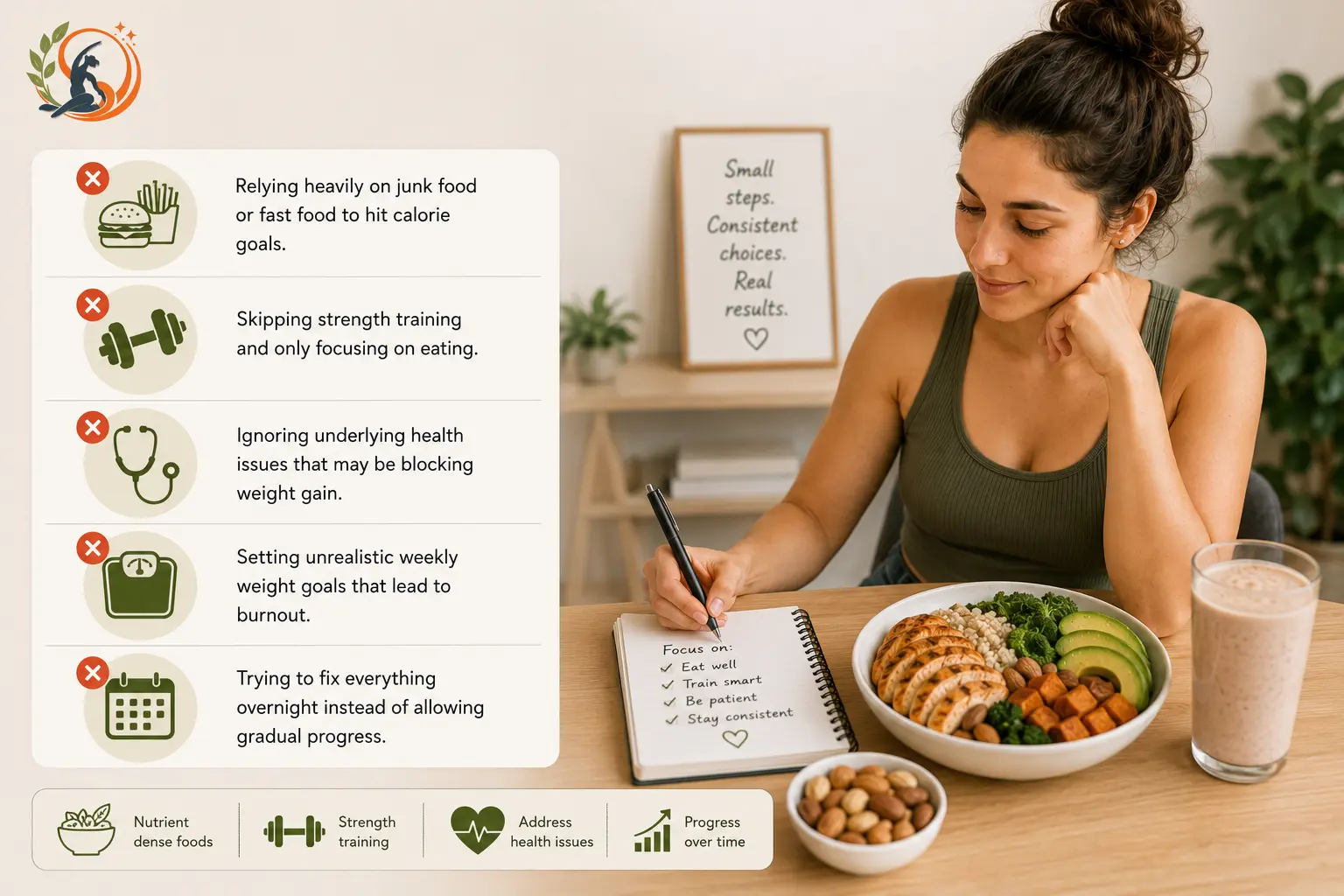
Before booking that appointment, I tried basically everything the internet suggested and most of it either did nothing or made me feel actively worse. Turns out a lot of the weight gain advice floating around forums and fitness pages is genuinely counterproductive without someone guiding it properly.
Overeating junk food for quick calories was probably my biggest mistake. Added some weight short term, sure, but tanked my energy and digestion within weeks and left me more exhausted than when I started this whole thing.
A specialist steers you away from that trap early, toward calorie-dense foods that actually support your body instead of quietly working against it, something I wish I'd understood months earlier instead of stumbling through trial and error completely alone.
Mistakes to Avoid
Relying heavily on junk food or fast food just to hit some arbitrary calorie number
Skipping strength training and only focusing on eating, which often just leads to fat gain
Ignoring underlying health issues that might be quietly blocking weight gain in the first place
Setting unrealistic weekly weight goals that lead straight to burnout or disordered patterns
Trying to fix everything overnight instead of allowing gradual, sustainable progress over actual months
Is Seeing a Dietitian for Weight Gain Worth the Cost
Honestly, this was my biggest hesitation walking in, the cost felt hard to justify for something I figured I should be able to fix myself eventually. Looking back now, the bloodwork alone that caught my thyroid issue probably would've cost way more down the line if it had gone unnoticed for years longer than it already had.
If you've genuinely tried the basics, eating more, tracking calories, adding protein and nothing's budged, the cost tends to pay for itself pretty quickly once you stop wasting money on random supplements and approaches that were never going to work for your specific situation anyway. That's basically what happened for me, in hindsight.
Does Insurance Cover This and What Should You Budget
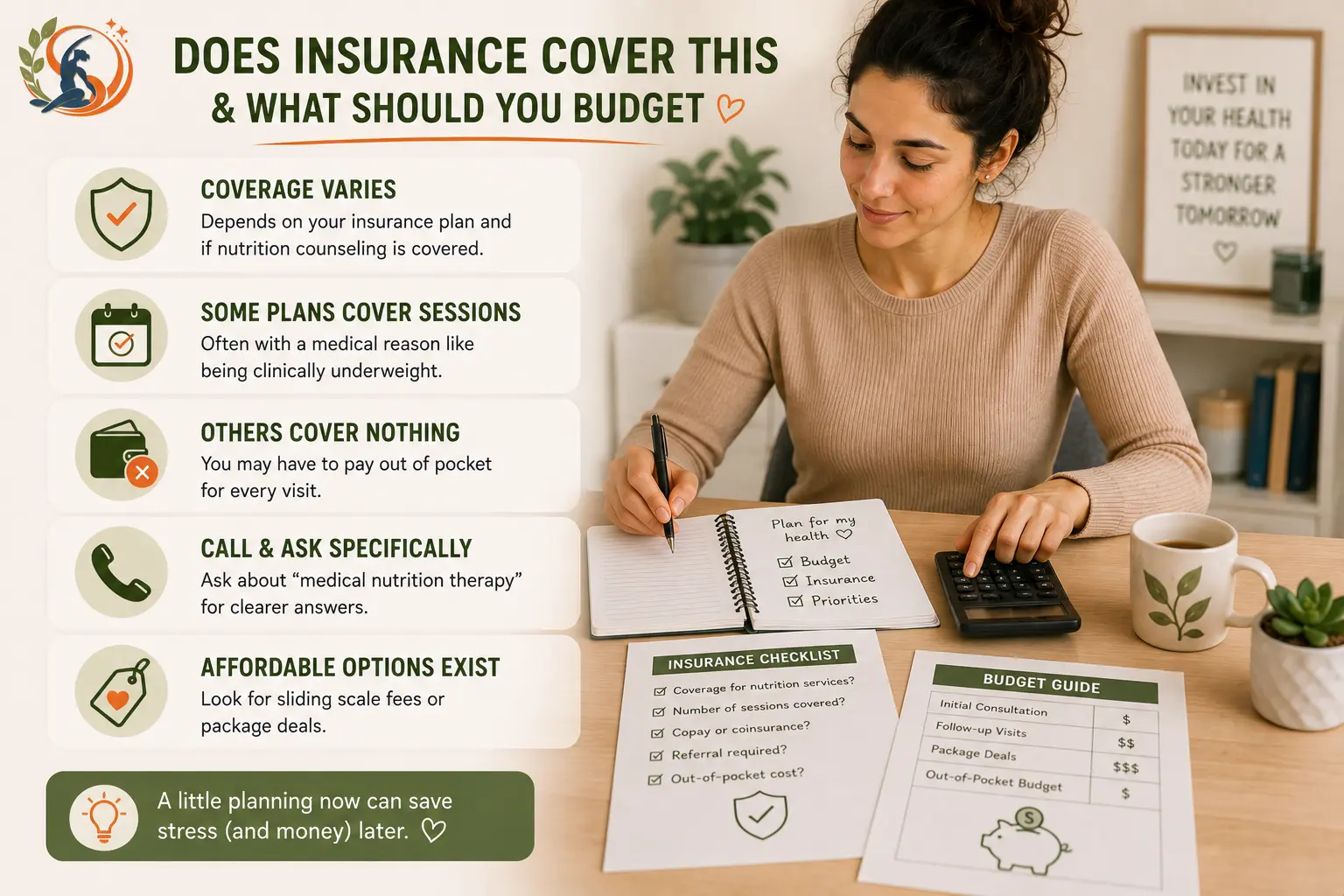
This part genuinely stressed me out before my first appointment, mostly because nobody explains it clearly anywhere online, not even the clinic's own website which honestly just made things more confusing. Coverage varies a ton depending on your insurance provider and whether nutrition counseling falls under a covered category, which took a few annoying phone calls to actually confirm for my own plan.
Some plans cover a set number of sessions per year, especially with a documented medical reason like being clinically underweight. Others cover basically nothing, leaving you paying out of pocket for every single visit, which was a rough thing to discover after already committing emotionally to the process.
Calling your insurer and asking specifically about "medical nutrition therapy" tends to get clearer answers than asking about "dietitian visits" broadly, since that's usually the actual billing code behind it. If insurance isn't an option, plenty of specialists offer sliding scale pricing or package deals, which is honestly what made this whole thing financially doable for me.
What Actually Changed for Me After Three Months
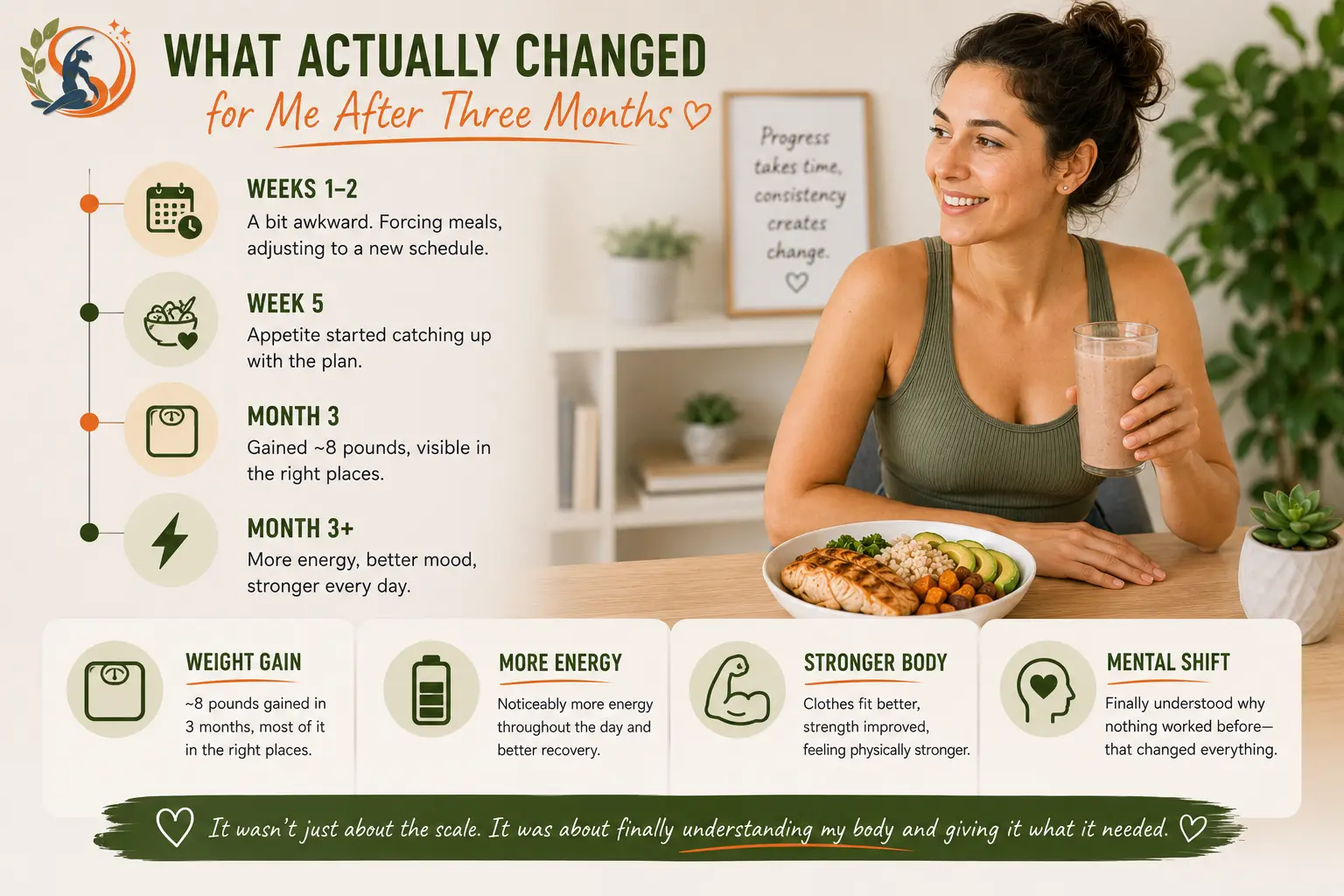
I wish I could say this whole process was smooth from day one, but honestly the first few weeks were kind of awkward, forcing down meals my body clearly wasn't used to yet, adjusting to eating on a schedule instead of whenever I happened to feel hungry.
Around week five something just shifted though, my appetite genuinely started catching up with the plan instead of fighting it the whole way through like it had before. By month three I'd gained close to eight pounds, most of it visible in places that actually mattered to me, not just water weight that vanishes again in a week.
My energy improved noticeably too, which caught me off guard since I'd assumed this whole thing was purely about a number on a scale, not how I actually felt getting through a normal day. Looking back, the biggest shift wasn't even physical, it was finally understanding why nothing had worked before and that clarity alone made every awkward, uncertain week worth it.
How Long Does It Take to See Results
People ask me this constantly, hoping for some clean timeline and I genuinely wish I had one to hand them. My dietitian was upfront that most clients see meaningful, sustainable weight gain over three to six months, not weeks and honestly that timeline alone made the whole process feel way less overwhelming once I stopped expecting instant results.
Slow, steady gain of around half a pound to a pound a week tends to be the healthiest, most sustainable target most specialists work toward with clients. Rushing it with aggressive calorie surpluses usually just leads to excess fat and digestive discomfort instead of the balanced, healthy weight most people actually walk in hoping for.
Frequently Asked Questions
1. How much does a dietitian for weight gain typically cost?
Costs vary widely by location and whether insurance covers nutrition counseling, ranging from fifty to over two hundred dollars per session. Many registered dietitians offer package pricing for ongoing support, which often works out more affordable long term.
2. Can a dietitian help if I've tried everything already?
Yes, especially if previous attempts just involved eating more without addressing underlying causes. A dietitian for weight gain investigates factors like metabolism, gut health and hidden conditions that generic advice honestly never accounts for.
3. Do I need a doctor's referral to see a dietitian for weight gain?
Not always, plenty of dietitians accept clients directly without one. That said, insurance coverage sometimes requires a referral, so it's worth checking with your provider first to avoid a surprise bill later.
4. Will a dietitian recommend supplements for weight gain?
Sometimes, though whole food sources usually get prioritized first. If bloodwork reveals a specific deficiency, targeted supplements might get recommended alongside dietary changes, never as some standalone replacement for actual meals.
5. Is it normal to feel bloated when trying to gain weight?
Some initial bloating is pretty common when increasing food intake, especially early on. A dietitian for weight gain adjusts meal timing and food choices specifically to cut down on this discomfort as your body adjusts.
6. How is gaining weight with a dietitian different from doing it alone?
A dietitian builds a plan around your specific health history, metabolism and any underlying issues, instead of generic advice pulled from wherever. That structured, monitored approach tends to produce far more sustainable results than guessing alone ever will.
Conclusion
Working with a dietitian for weight gain wasn't the instant fix I was hoping for walking in, not even close honestly, but it was genuinely the thing that finally worked after years of trying everything else solo. If you're stuck in that same frustrating loop, eating more with nothing changing, it might be worth letting someone actually look at the full picture instead of handing yourself another meal plan you'll probably abandon in a few weeks anyway.


Comments (0)
No comments yet. Be the first to share your thoughts!
Leave a Comment