
I used to think shoulders needed dumbbells. Full stop. No weights, no real shoulder day, that was just the rule in my head for years. Then I tweaked something and dumbbells were off the table for a couple months.
So I rebuilt basically my whole shoulder routine around bodyweight shoulder exercises instead, mostly out of necessity. And honestly? My shoulders felt more stable afterward than they had in years of regular lifting. Which annoyed me a little, if I'm being honest about it.
This guide covers real bodyweight shoulder exercises, what muscles you're actually hitting, the rotator cuff stuff nobody wants to think about until it hurts and how to dodge the impingement issues that sideline so many people who jump straight to pressing without building anything underneath it first. Zero equipment needed for any of this.
Why Bodyweight Shoulder Training Actually Works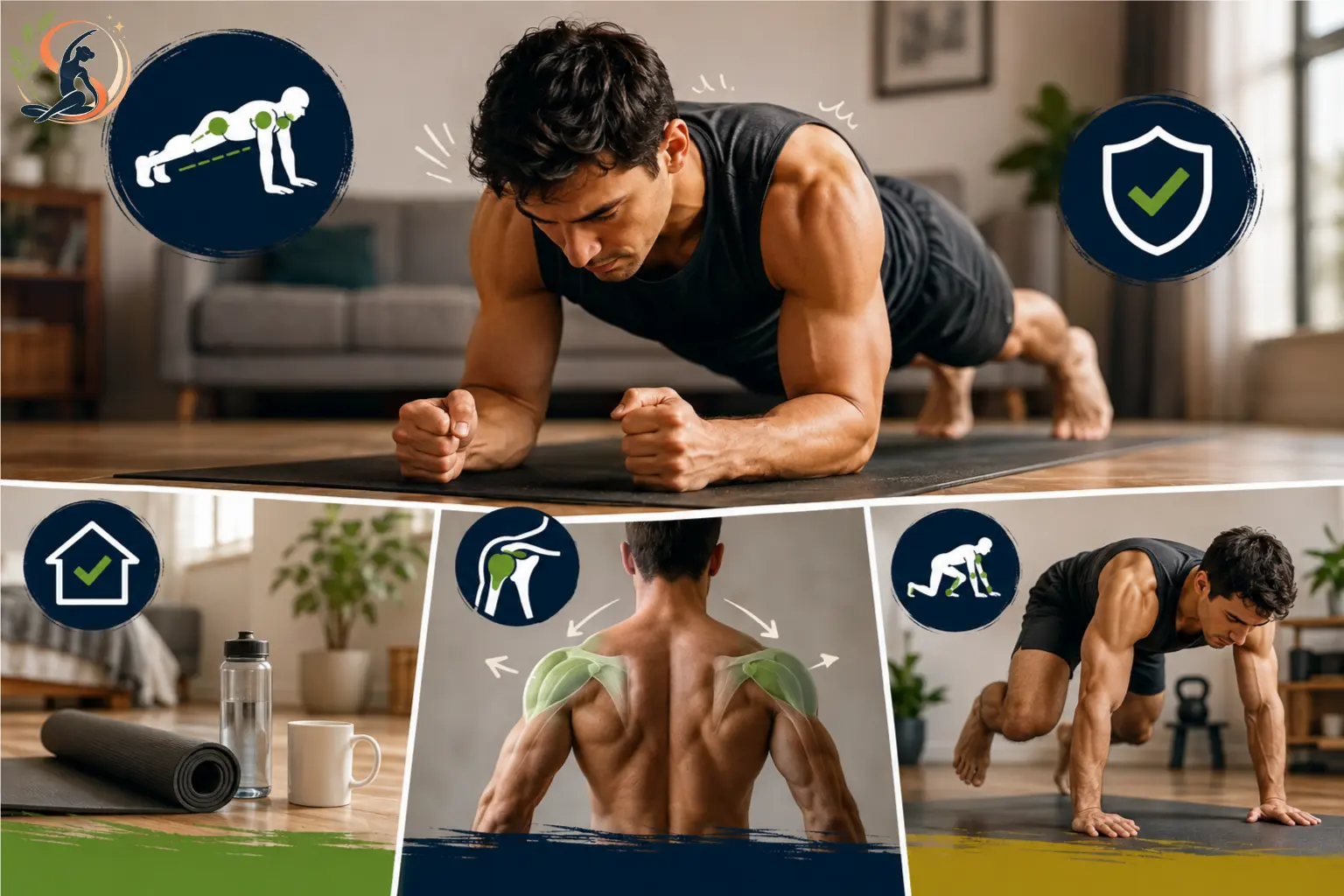
People underestimate this stuff constantly. Right up until they actually try it properly for the first time and realize their shoulders are shaking after a plank hold.
Convenience and Accessibility
No gym, no equipment, no waiting around for a squat rack somebody's been sitting on for twenty minutes doing something unrelated. You can do a full shoulder session on a bedroom floor before your coffee's even done brewing. That accessibility is genuinely underrated. The best workout has always just been whichever one you'll actually do.
Improved Shoulder Strength and Joint Stability
Bodyweight work builds strength differently than a dumbbell press does. You're often stabilizing your own body weight through weird, unusual angles, which builds joint stability right alongside raw strength. That combination matters more long term than most people realize going in, myself included for way too long.
Functional Movement Patterns and Core Engagement
A lot of these moves aren't isolated shoulder exercises at all, honestly, they're full-body patterns. Plank variations, bear crawls, that whole category, they train shoulders while demanding real core engagement at the exact same time.
Functional movement patterns like this translate way better to actual life than sitting in some machine ever did for me, sitting there isolating one muscle like my body works in pieces.
Understanding Your Shoulder Muscles First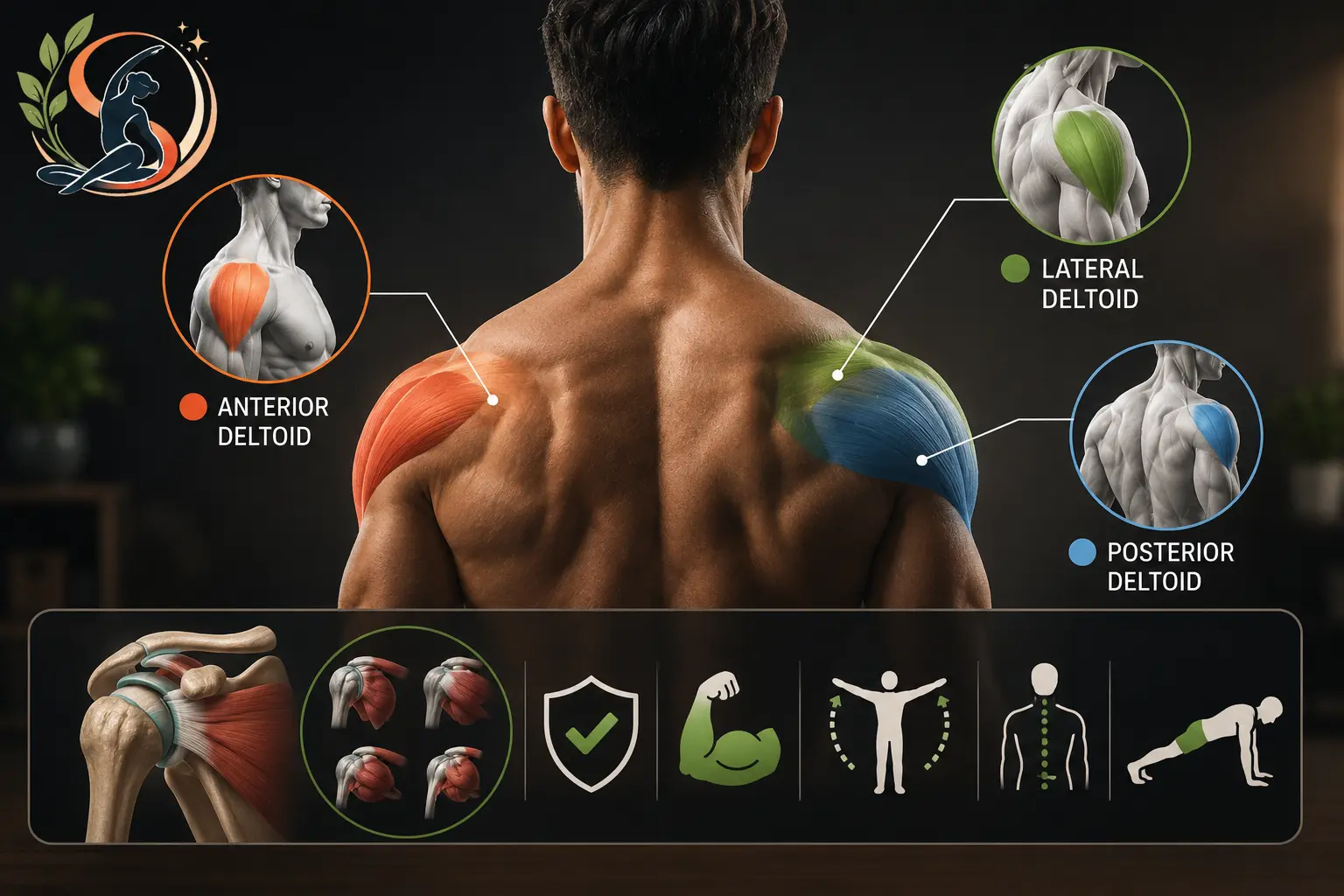
Knowing what you're actually training helps literally every exercise make more sense once you know it.
Anterior, Lateral and Posterior Deltoids
Your shoulder has three deltoid heads. Anterior deltoids sit at the front, doing most of the work in pressing movements. Lateral deltoids, sometimes called medial deltoids, sit on the side and give shoulders that rounded width people are usually chasing.
Posterior deltoids sit at the back and get neglected constantly. Which is a mistake, honestly, since they're huge for posture and overall shoulder health, way more than people give them credit for.
What the Rotator Cuff Actually Does
The rotator cuff is four small muscles, not one single thing like I assumed for years, working together to keep your upper arm bone locked into the shoulder socket properly. It's genuinely the most mobile joint in your whole body, which is exactly why it's also one of the easiest joints to hurt if these smaller stabilizers stay weak while you chase bigger, more impressive lifts.
Best Bodyweight Shoulder Exercises for Beginners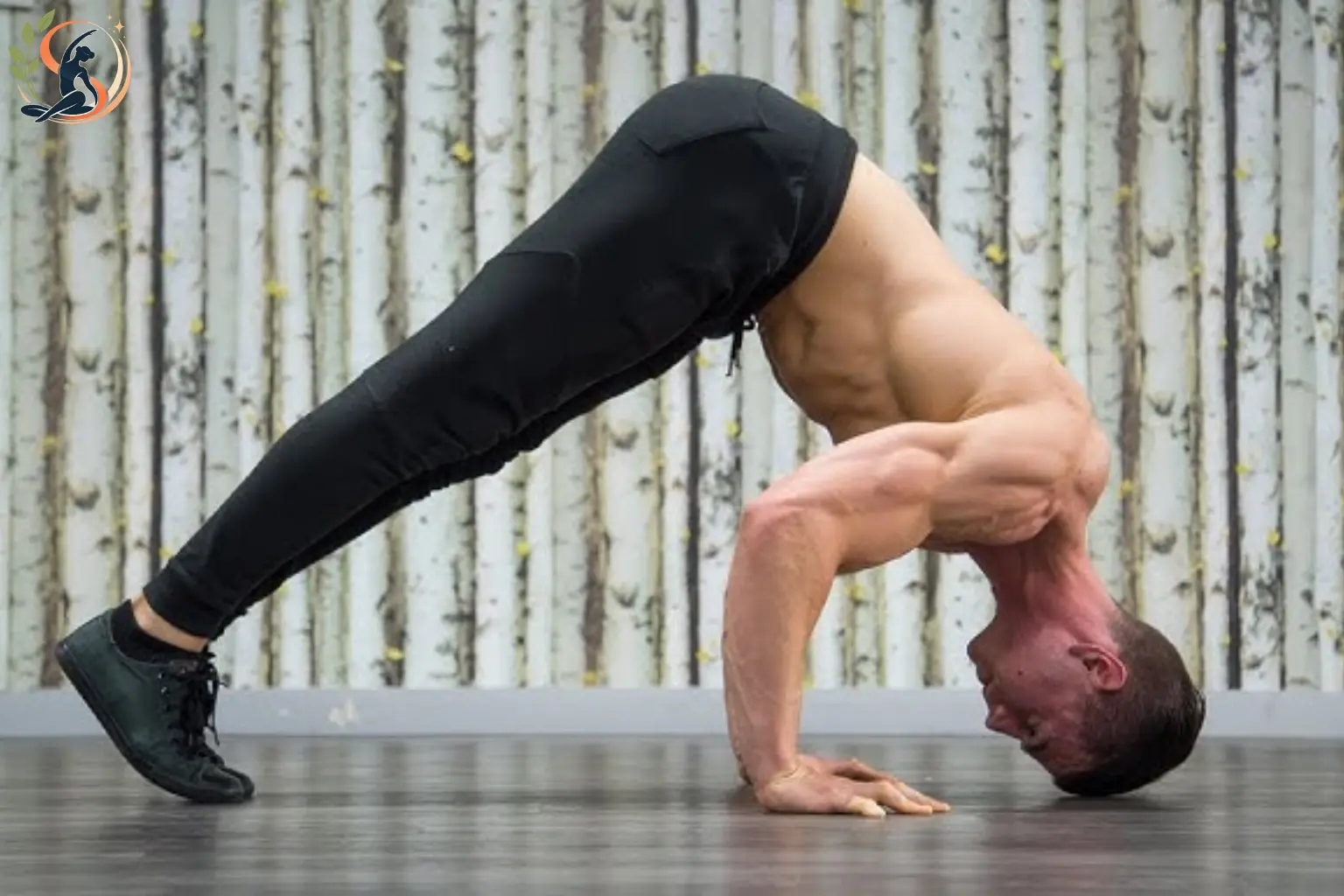
Start here if pressing movements still feel like a lot right now. Zero shame in that, genuinely none.
Wall Angels
Stand with your back flat against a wall, arms bent at 90 degrees like a goalpost shape. Slide your arms up and down the wall while keeping contact the entire time. Sounds easy. Isn't. Not even close, the first time you actually try it and it exposes mobility issues faster than almost anything else on this list.
Shoulder Shrugs and Arm Circles
Simple shoulder shrugs, up toward your ears, then release, warm up the traps and upper shoulders before anything more demanding shows up. Arm circles, small then large, forward then backward, loosen the joint capsule and get blood moving before you push into harder work later in the session.
Incline Push-ups
Hands elevated on a bench, a step or a sturdy chair, this takes weight off your upper body while still training the exact same pressing pattern underneath it all. Genuinely a smart entry point before attempting a full push-up or anything overhead down the line.
Core-Integrated Shoulder Exercises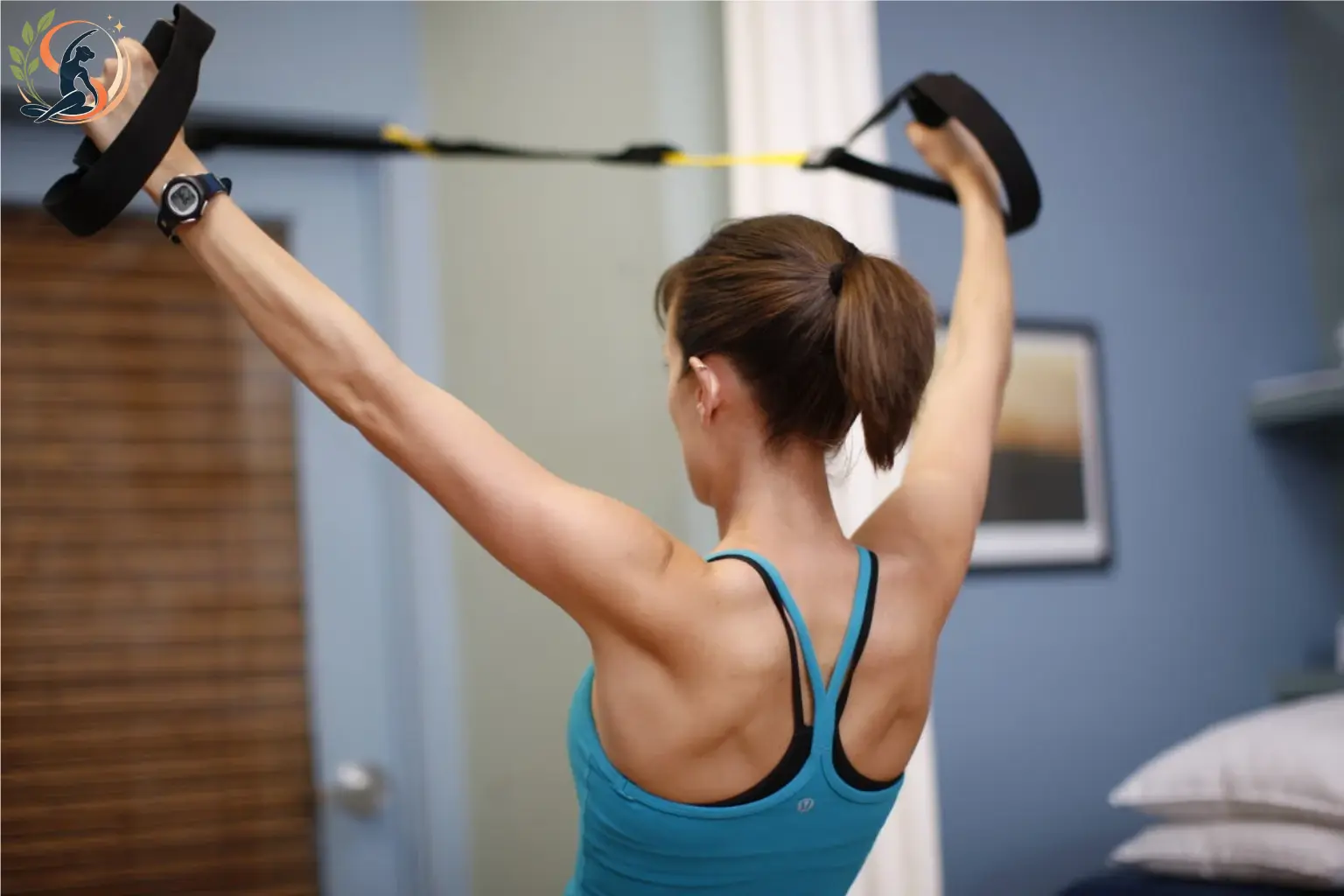
These pull double duty, shoulders and core working together, which is honestly more efficient than isolating everything separately anyway.
High Plank to Downward Dog
Starting in a high plank position, push your hips up and back into downward dog, then return to plank. This transition to downward dog builds shoulder endurance while stretching the whole posterior chain at once. The alignment cues here matter a lot too, since sloppy form turns this into a wrist strain fast.
Plank Walks and Plank Rockers
Plank walkouts, walking your hands out from standing into a plank then back up, build shoulder stability through a genuinely demanding range of motion the whole way. Plank rockers, just gently shifting weight forward and back in a forearm plank, seem too simple until your shoulders are burning about twenty seconds in and you're questioning your life choices.
Mountain Climbers and Bear Crawls
Mountain climbers from a high plank position keep shoulders working isometrically while your legs do the cardio side of things entirely on their own. Bear crawls, moving on hands and feet with knees hovering just off the ground, demand serious shoulder stability the whole time you're crawling around like some kind of weird animal in your living room.
Side Plank With Leg Raises and Thread the Needle
Side plank with leg raises adds an extra stability challenge to a move that's already plenty tough on one shoulder specifically. Side plank plus threading the needle, threading your top arm underneath your body in a rotation, adds genuine thoracic mobility into a movement that's already working hard enough on its own.
Pressing Movements for Shoulder Strength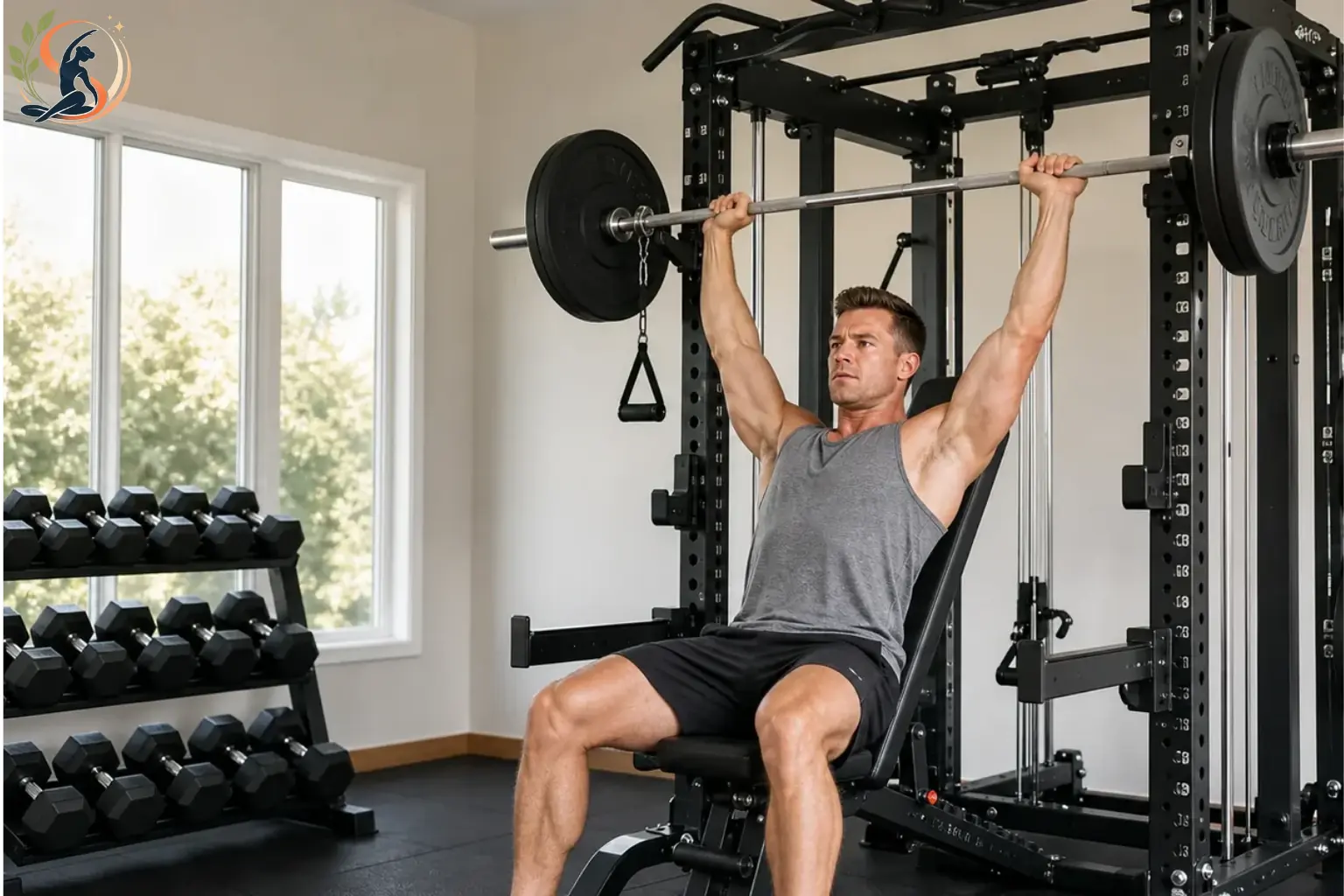
Once the basics feel solid, these build real pressing strength without any weight involved at all.
Pike Push-ups
Hips high in an inverted V shape, hands and feet on the ground, lower your head toward the floor between your hands. Pike push-ups are genuinely one of the better bodyweight shoulder exercises for building pressing strength that carries directly toward handstand work down the road, if that's ever a goal.
Decline Push-ups
Feet elevated, hands on the floor, this shifts more load onto the shoulders compared to a standard push-up sitting flat on the ground. A solid stepping stone between pike push-ups and anything more advanced you might work toward later.
Handstand Push-ups
The advanced end of this whole progression and I mean genuinely advanced. Kicking up into a handstand against a wall, then lowering your head toward the floor and pressing back up, demands serious shoulder strength and balance built through literally everything leading up to it. Don't rush this one. Please. I did, once and it wasn't great.
Overhead Press Technique Without Weights
Good overhead press technique matters even without any weight involved at all. Keep your ribs pulled down instead of flared out, brace your core properly and avoid letting your lower back arch to compensate for tight shoulders. This exact same technique transfers directly the moment you do eventually pick up a dumbbell or barbell down the line.
Rotator Cuff Exercises You Can Do at Home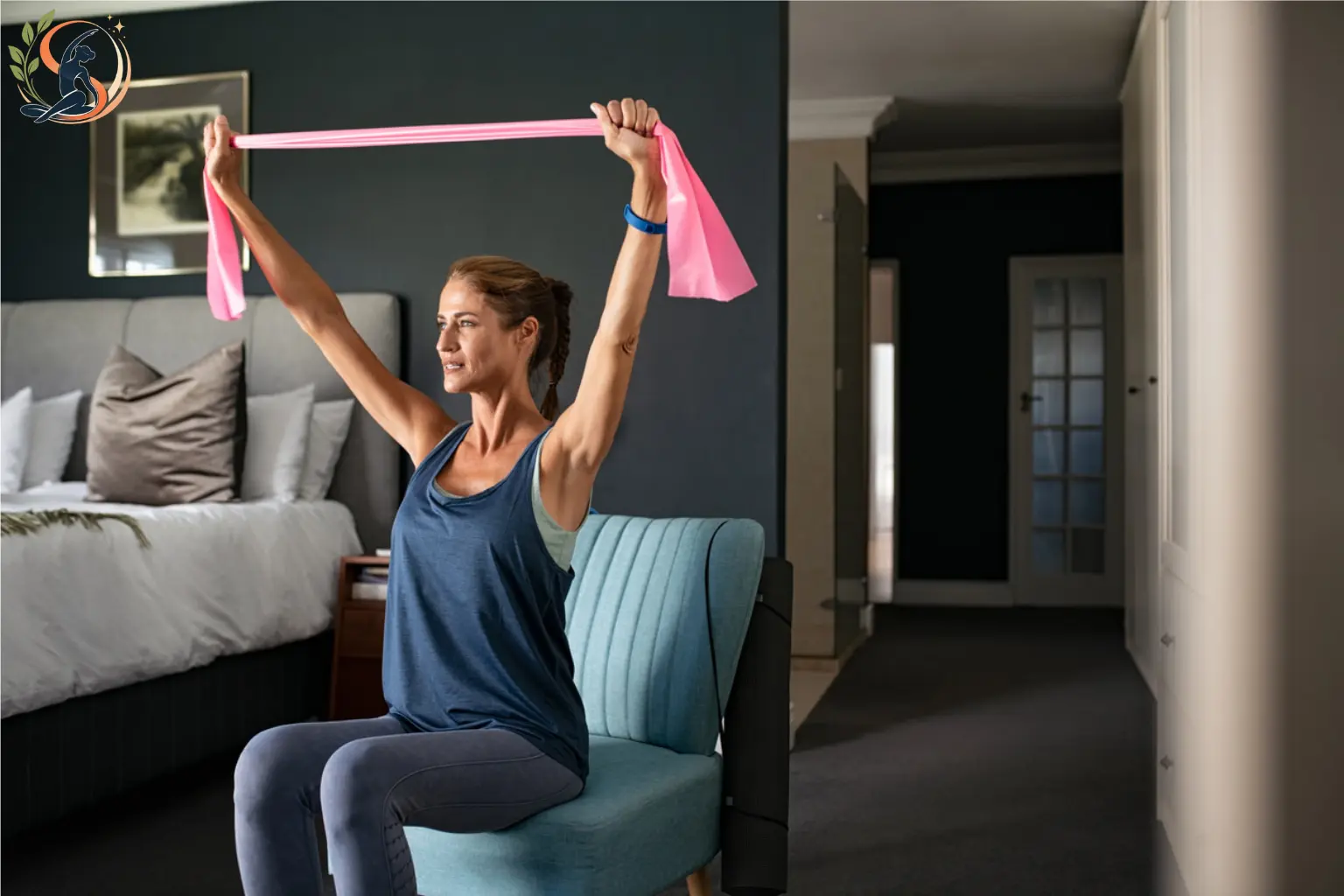
These smaller, constantly-skipped movements genuinely protect your shoulders for the long haul.
Prone I, Y and T Raises
Lying face down, raise your arms into an I shape overhead, then a Y, then a T out to the sides, each targeting slightly different rotator cuff and posterior deltoid fibers along the way. Superman-style holds like these feel almost too gentle right up until rep three, when your upper back is suddenly, properly working and you understand why they're on every physical therapist's list.
Shoulder Taps
From a high plank, tap your opposite shoulder with each hand while resisting hip rotation the whole time. This builds real rotator cuff and core stability together and honestly, it's way harder to keep your hips still than it looks from the outside watching someone else do it.
Shoulder Impingement Prevention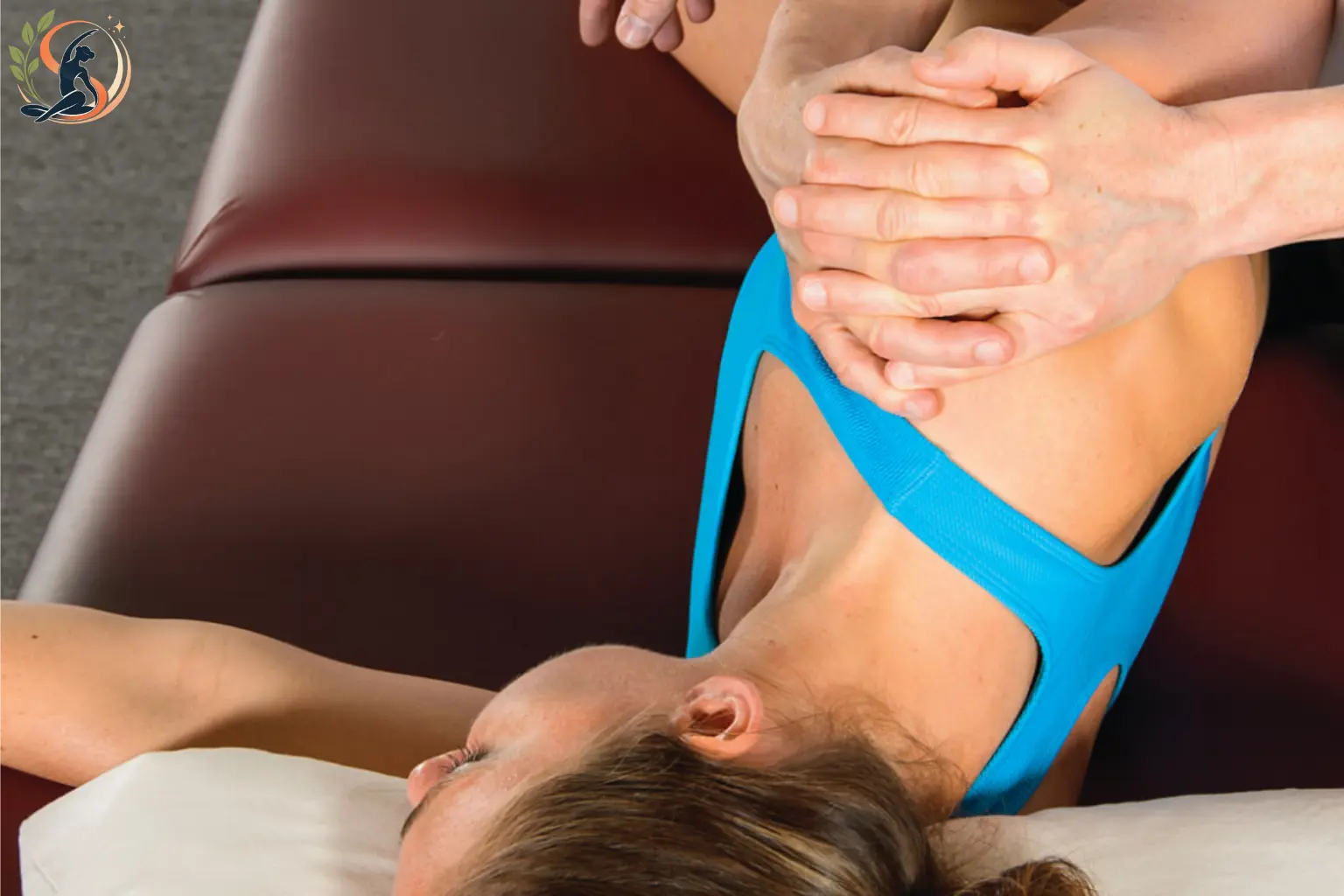
Impingement sidelines a lot of people who skip straight to heavy pressing without ever building this foundation first.
What Causes Impingement
Shoulder impingement prevention starts with understanding the actual cause, usually tendons getting pinched between bones during overhead movement, often from weak rotator cuff muscles or poor scapular positioning built up over years.
Rounded shoulders from too much desk time make this worse over time, adding a little more pinch every single time you reach overhead without thinking about it and honestly, a lot of that tightness sits right in your tight trapezius more than people realize.
Exercises to Avoid or Modify
If impingement symptoms are already present, avoiding heavy overhead pressing and deep triceps dips temporarily gives things a real chance to calm down instead of getting aggravated further.
Sticking with wall angels, band-free external rotations and gentle range-of-motion work rebuilds the foundation properly before returning to anything more demanding down the road.
5 Shoulder Exercises Worth Prioritizing
If you only have time for a handful of moves on a given day, these five cover the most ground by far.
Pike push-up, for pressing strength
YTW front raise, for rear delts and rotator cuff health
Inverted shoulder press, using an elevated surface for extra range
Decline push-ups, for shoulder-focused pressing volume
Side plank plus thread the needle, for stability and rotation together
Building a Simple Shoulder Routine
Putting this all together really doesn't need to be complicated or eat up a whole hour of your day. Start with wall angels and arm circles to warm up, move into a plank-to-downward-dog flow for a few rounds, then finish with pike push-ups and prone Y raises to close it out.
Two to three sessions weekly, twenty minutes each, builds real, genuinely functional shoulder strength without ever touching a single weight.
Frequently Asked Questions
1. How do I build my shoulders without weights?
Focus on pressing variations like pike push-ups and decline push-ups, combined with rotator cuff work like prone Y and T raises. Progressive overload still applies, gradually increasing reps, range of motion or difficulty builds real shoulder strength over time without any weights involved.
2. What are the 3 main shoulder exercises?
Pike push-ups, plank-to-downward-dog transitions and prone I-Y-T raises cover pressing strength, stability and rotator cuff health respectively. Together, these three movement patterns hit nearly every function your shoulders need for both daily life and athletic performance.
3. What arm exercises can I do with a shoulder injury?
Gentle range-of-motion work like arm circles and wall angels, done pain-free, often work well during recovery. Always check with a doctor or physical therapist first, since injury type determines which movements are safe versus which ones could worsen the existing issue.
4. What are 5 shoulder exercises?
Pike push-ups, YTW front raises, inverted shoulder presses, decline push-ups and side planks with thread the needle make a genuinely well-rounded five-exercise routine. Together they cover pressing strength, rotator cuff health and core-integrated stability in one session.
5. How often should I do rotator cuff exercises?
Two to three sessions weekly works well for most people, allowing adequate recovery between sessions. Consistency matters more than intensity here, since rotator cuff muscles are small and respond better to frequent, moderate work than infrequent, maximum-effort sessions.
6. Can bodyweight shoulder exercises prevent impingement?
Yes, when they specifically target rotator cuff strength and scapular positioning. Exercises like wall angels, prone Y raises and controlled range-of-motion work address the muscular imbalances that commonly lead to impingement, especially when paired with better posture throughout the day.
Conclusion
Bodyweight shoulder exercises genuinely build real strength, not some watered-down substitute for "actual" training you're forced into until you can afford a gym membership. Between pressing variations, rotator cuff work and core-integrated moves like planks and bear crawls, there's plenty here to build genuinely strong, stable shoulders without ever touching a dumbbell.
Start with the basics, build up gradually and let your shoulders actually earn the harder stuff instead of rushing toward it out of impatience.


Comments (0)
No comments yet. Be the first to share your thoughts!
Leave a Comment