
Fifteen years in food writing and the granola bar aisle still gets me every time. Rows of boxes, every single one shouting "healthy," "whole grain," "protein-packed." Half of them barely qualify once you flip to the back and actually read the label.
That's really what this post is about. Not telling you homemade always wins, because sometimes it doesn't. Not when you're exhausted and a bar in your bag beats nothing at all. It's about knowing which healthy snack bars on the shelf actually hold up, which ones don't and when making your own is worth the extra ten minutes.
Store-Bought vs Homemade - The Real Comparison
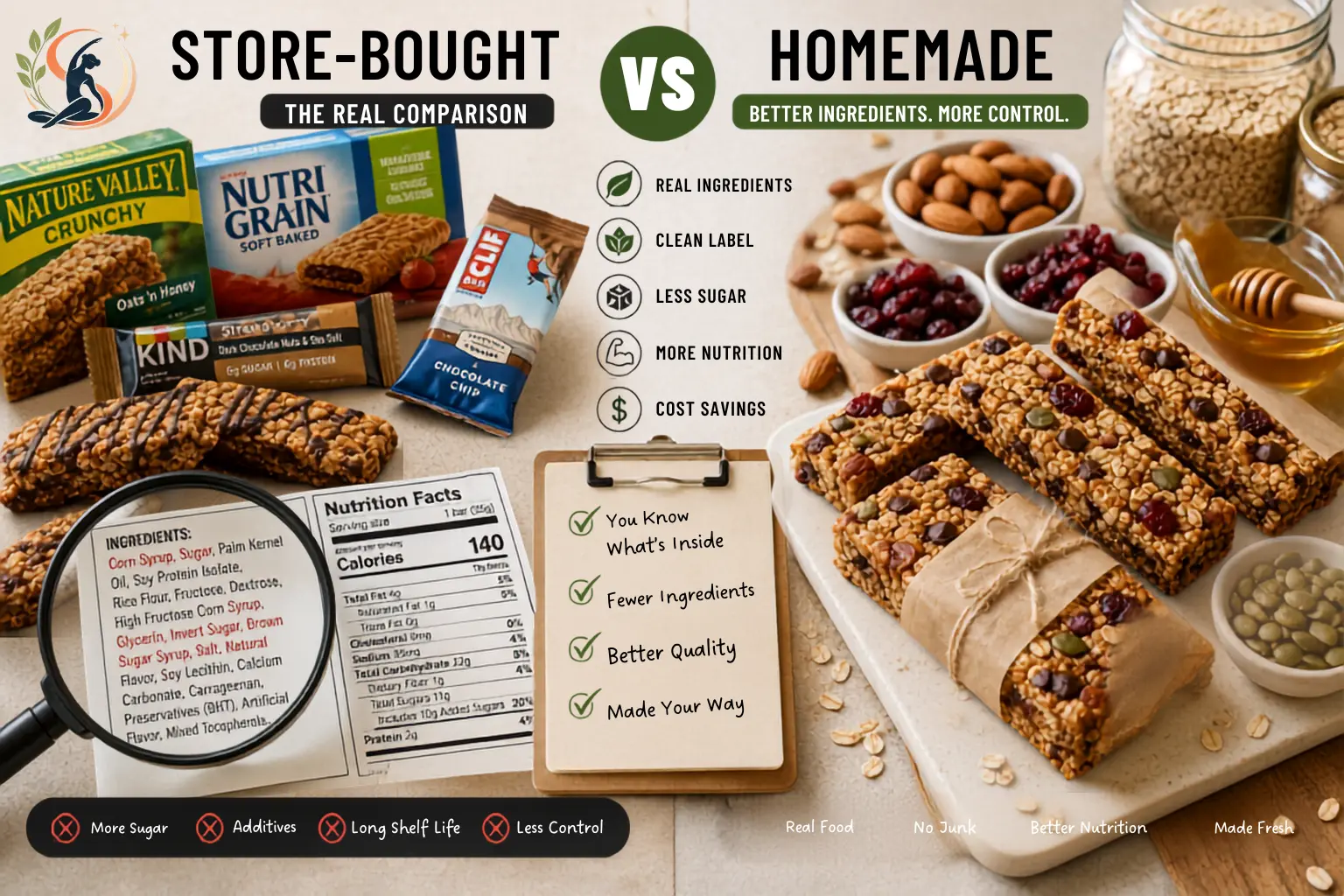
Before getting into specific brands, it helps to understand what actually changes between a bar made in a factory and one made on your counter.
Processed Food Comparison: What Actually Changes When You Make It Yourself
Store-bought bars need to survive weeks, sometimes months, sitting on a shelf. That means preservatives, stabilizers and often more sugar than you'd add yourself, since sugar doubles as a preservative in a lot of these products, not just a flavor choice.
Homemade versions skip most of that. Fewer ingredients, shorter shelf life, but way more control over what actually goes in. This processed food comparison isn't really about villainizing every packaged snack either. Plenty of decent options exist on shelves. It's just that "made in a factory" and "bad for you" aren't automatically the same thing and neither is "homemade" automatically healthy just because you made it in your own kitchen with your own two hands.
Ingredient Transparency and Clean-Label Snacks
Clean-label snacks are basically the industry's answer to people wanting ingredient transparency, a label you can actually read without a chemistry degree behind you. Oats, nuts, dried fruit, maybe honey. That's usually the whole list on a genuinely clean-label bar, five or six things, nothing you'd need to look up.
Here's something worth knowing that most guides skip. The word "natural" printed on a package isn't strictly regulated the way "organic" or "low sodium" are. The FDA has never issued a formal binding definition for it, so a company can slap "all natural" on a box that's still loaded with added sugar and technically nothing about that claim is illegal. Clean label matters more than natural does, honestly. Always flip the package. If the ingredient list runs fifteen items deep with names you can't pronounce, any front-of-box claim doesn't mean much on its own.
Are Granola Bars Healthy - A Closer Look at the Numbers
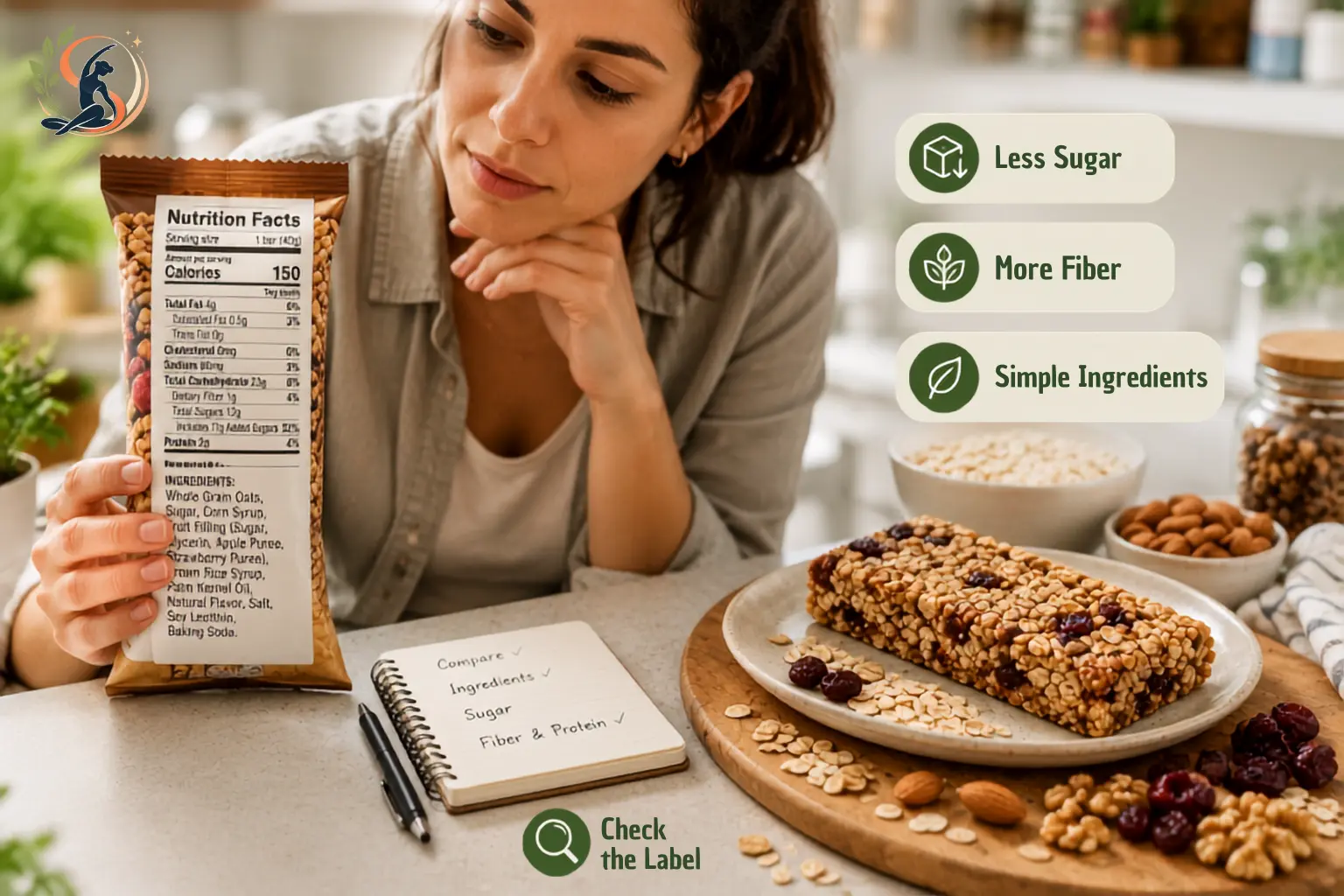
This question comes up constantly and the honest answer is: depends entirely on the bar in your hand.
Are Nutri-Grain Bars Healthy
Nutri-Grain bars get marketed around whole grains and real fruit and technically both are in there somewhere. But the numbers tell a different story. A typical Nutri-Grain bar carries around 11 to 14 grams of sugar and only about 1 gram of fiber, which is a rough ratio for something positioned as a breakfast or snack bar. Sugar usually shows up as one of the first ingredients in the fruit filling specifically, ahead of the actual fruit itself, which says a lot right there.
So are Nutri-Grain bars healthy? Better than a candy bar, sure. But with that little fiber and that much sugar, they don't keep you full very long and they're closer to a light dessert than a nutrient-dense snack. Fine occasionally. Not a great daily staple, no matter how the box is marketed.
Low Sugar Granola Bars Worth Buying
A genuinely good granola bar, by most dietitian standards, keeps sugar under 8 grams, hits at least 3 grams each of protein and fiber and stays under roughly 200 calories a serving. Low sugar granola bars meeting that bar exist, they're just usually tucked in the natural foods section rather than front and center on the main shelf and they cost more too, unfortunately, which feels a little backwards.
Check the ingredient list before the nutrition panel, always. If sugar, brown rice syrup or honey shows up in the first three ingredients, that's usually your answer before you even get to the numbers.
Are Perfect Bars Good for You
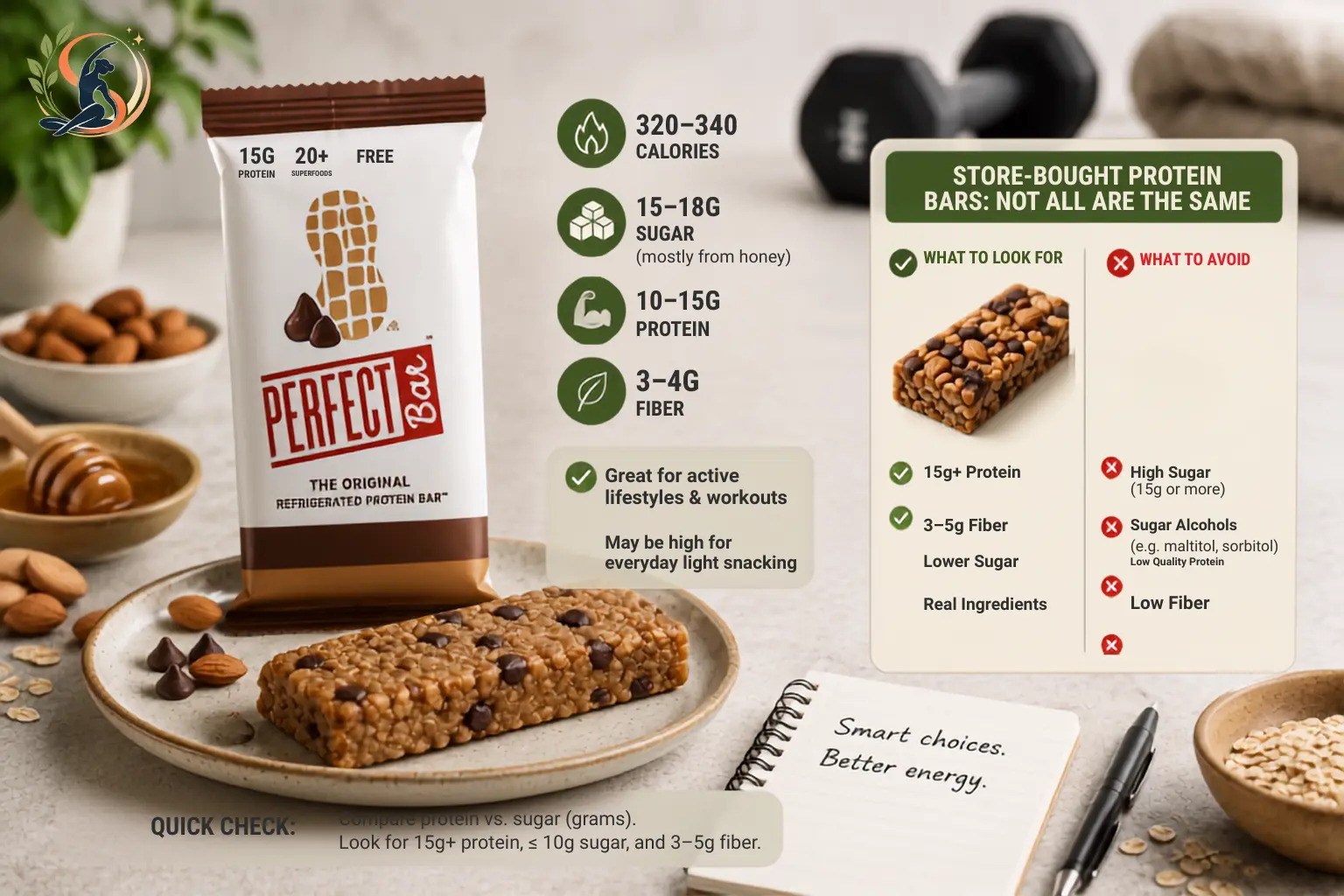
Perfect Bar has built its whole brand around whole food ingredients and to be fair, the ingredient list mostly backs that up.
What's Actually in a Perfect Bar
A standard Perfect Bar runs around 320 to 340 calories, with 15 to 18 grams of sugar, mostly from honey, plus a solid 10 to 15 grams of protein and 3 to 4 grams of fiber. That protein and fiber combo is genuinely good, no complaints there. The sugar number, though, is high enough that this reads more like an energy bar for someone very active than a light everyday snack you grab without thinking.
So are Perfect Bars good for you? For an athlete or someone needing a calorie-dense, protein-heavy bar between workouts, yes, genuinely. For someone just wanting a light afternoon snack, that sugar and calorie count is worth pausing on before grabbing one every single day out of habit.
Are Store-Bought Protein Bars Healthy in General
It varies wildly from bar to bar, which is frustrating, but true. Some protein bars are basically candy bars with a marketing budget behind them, heavy on sugar alcohols and low-quality protein isolates. Others genuinely deliver 15-plus grams of real protein with reasonable sugar. The only reliable way to tell the difference is checking grams of protein against grams of sugar side by side and making sure fiber shows up somewhere in the 3 to 5 gram range too.
The Healthiest Snack Bars You Can Actually Buy
Once you know what to look for, spotting the healthiest snack bars on a crowded shelf gets a lot faster.
What Makes the Most Healthy Snack Bar Choice
The most healthy snack bar picks share a pattern, once you've checked enough labels to notice it. Real, recognizable ingredients listed first. Sugar under 8 to 10 grams. At least 3 grams of both fiber and protein. Nothing artificial doing the heavy lifting for flavor or texture. Bars built around nuts, seeds and oats, rather than crisped rice and syrup, tend to check these boxes most consistently, almost every time.
Best Healthy Packaged Snacks Beyond Bars
Bars aren't the only packaged option worth considering either. Roasted chickpeas, individually packed nut portions and plain popcorn with simple seasoning all count as some of the best healthy packaged snacks around, often with a shorter ingredient list than most bars manage to pull off.
How to Make a Healthy Snack Bar at Home
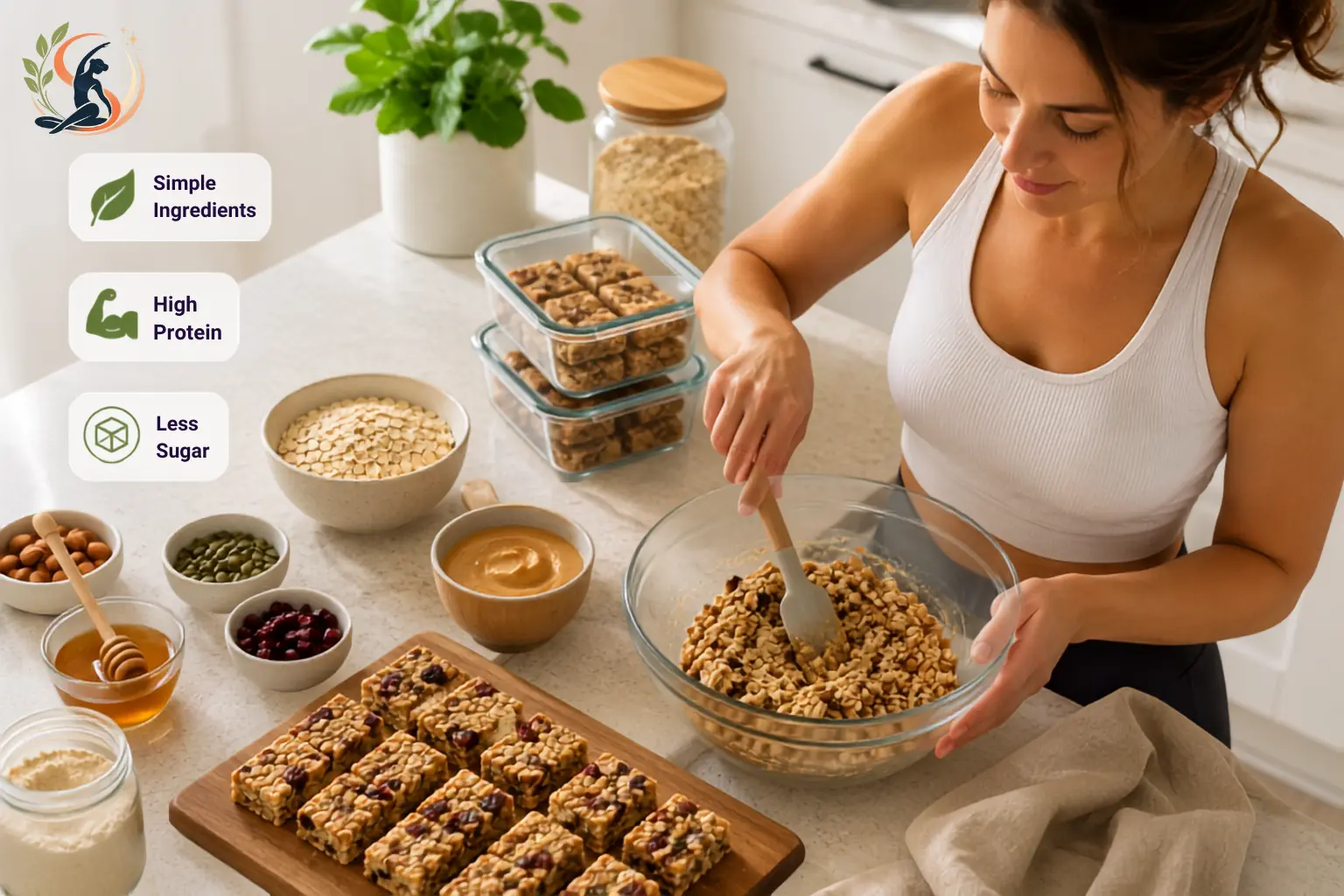
If store-bought bars feel like a gamble, making your own removes most of the guesswork, once you've got a basic method down and don't have to think twice about it.
How to Make Homemade Granola Bars (Basic Method)
The basic formula rarely changes much, honestly. Rolled oats, a binder like honey or nut butter, a mix-in like nuts or dried fruit, pressed into a pan and baked at a low temperature until firm. Dates, blended into the base, work as a lower-sugar binder if honey feels like too much. Roughly two cups of oats, half a cup of nut butter, a third cup of honey and whatever mix-ins you like covers a standard batch, baked around 350°F for 15 to 20 minutes.
Homemade snack bars made this way usually land under 5 grams of sugar per bar if you go light on the honey, since you control every gram going in rather than trusting whatever a label tells you.
How to Make a High Protein Snack Bar
Swap some of the oats for a scoop of protein powder and add a bit of Greek yogurt powder or extra nut butter to boost protein further. A homemade high protein snack bar built this way can easily hit 10 to 15 grams of protein per bar, matching or beating most store-bought protein bars, minus the sugar alcohols and long ingredient lists that come standard in a lot of packaged versions.
Snack Cost Comparison: Is It Cheaper to Make Your Own
Money matters here too and it's worth being honest about the actual numbers instead of just assuming homemade automatically wins every time.
Cheap Healthy Snacks You Can Buy vs Make
A batch of homemade granola bars, made from bulk oats, nut butter and honey, typically works out to somewhere around 30 to 50 cents per bar. A comparable store-bought bar, especially from a "natural" or organic healthy snack brand, usually runs $1.50 to $2.50 each. Over a month of daily snacking, that gap adds up to real money, not just pocket change you'd never notice.
That said, cheap healthy snacks bought plain, like bulk nuts, popcorn kernels or dried fruit with nothing added, can actually beat homemade bars on price too, since there's no baking time involved at all, not even ten minutes of your evening. The math favors homemade specifically when comparing bar to bar directly.
Where to Find Healthy Snacks When You're Not at Home
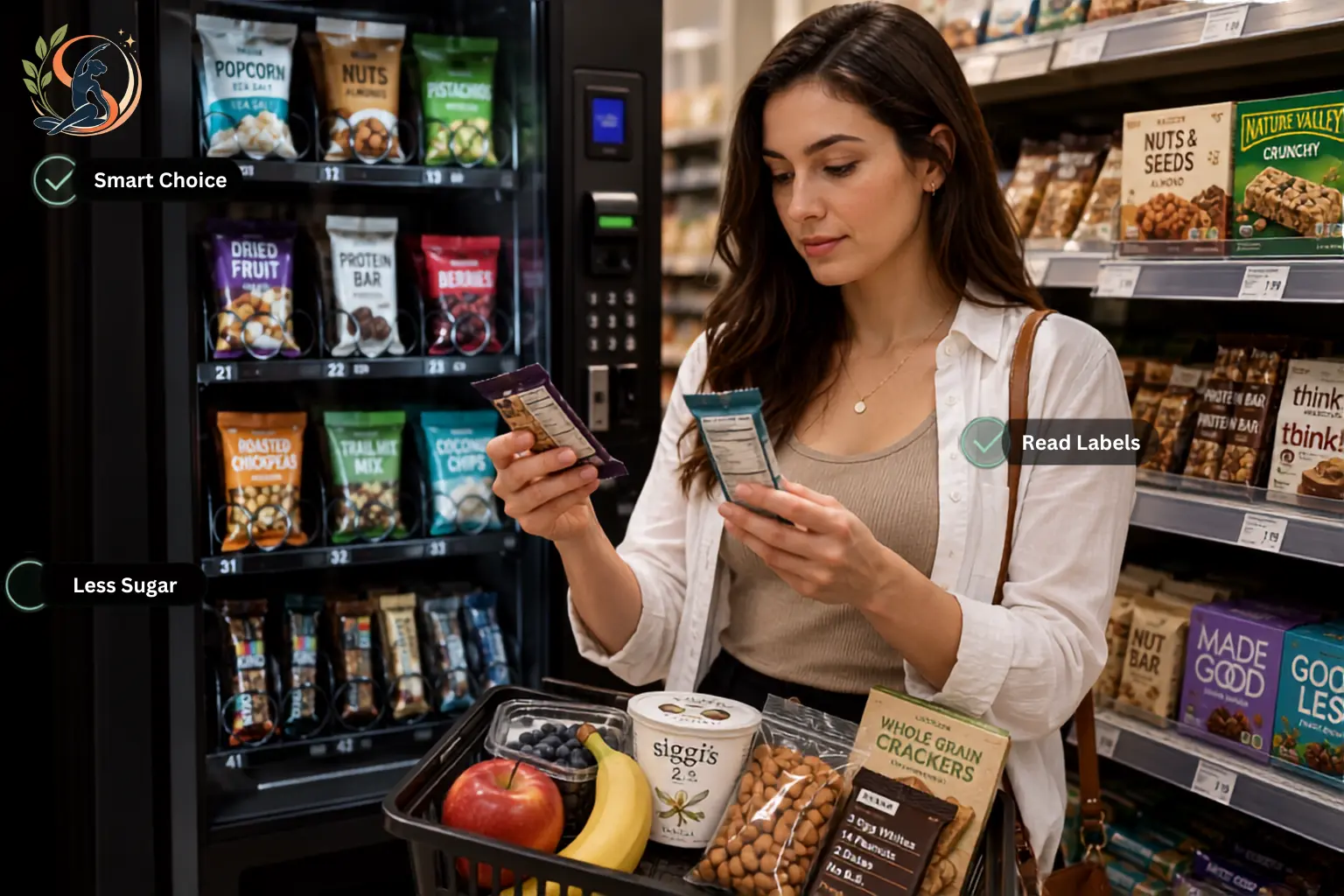
Not every snack decision happens in your own kitchen, so it's worth knowing your options when you're out and stuck choosing from whatever's available.
Healthy Vending Machine Snacks
A homemade bar kept in the fridge also solves the question of what to eat later see this list of good late night snacks for the timing and science behind it. Healthy vending machine snacks have gotten genuinely better over the last several years, with more machines stocking plain nuts, whole fruit and lower-sugar bars alongside the usual chips and candy. Look for anything with a shorter ingredient list and skip whatever's positioned at eye level, since that's usually the highest-margin junk, not the healthiest pick sitting in the machine.
Functional Benefits of Snacks for Office Workers (Healthy Biscuits)
Whole grain biscuits bring real functional benefits for office workers specifically, mostly around fiber and steady energy through a long seated stretch at a desk. A couple grams of fiber per serving, paired with a bit of protein from cheese or nut butter, keeps energy more level than a sugary snack bar would manage over that same stretch of time. This same office-desk logic gets a full breakdown in this guide to healthy snacks for work.
Simple and Fun Snacks Beyond Bars
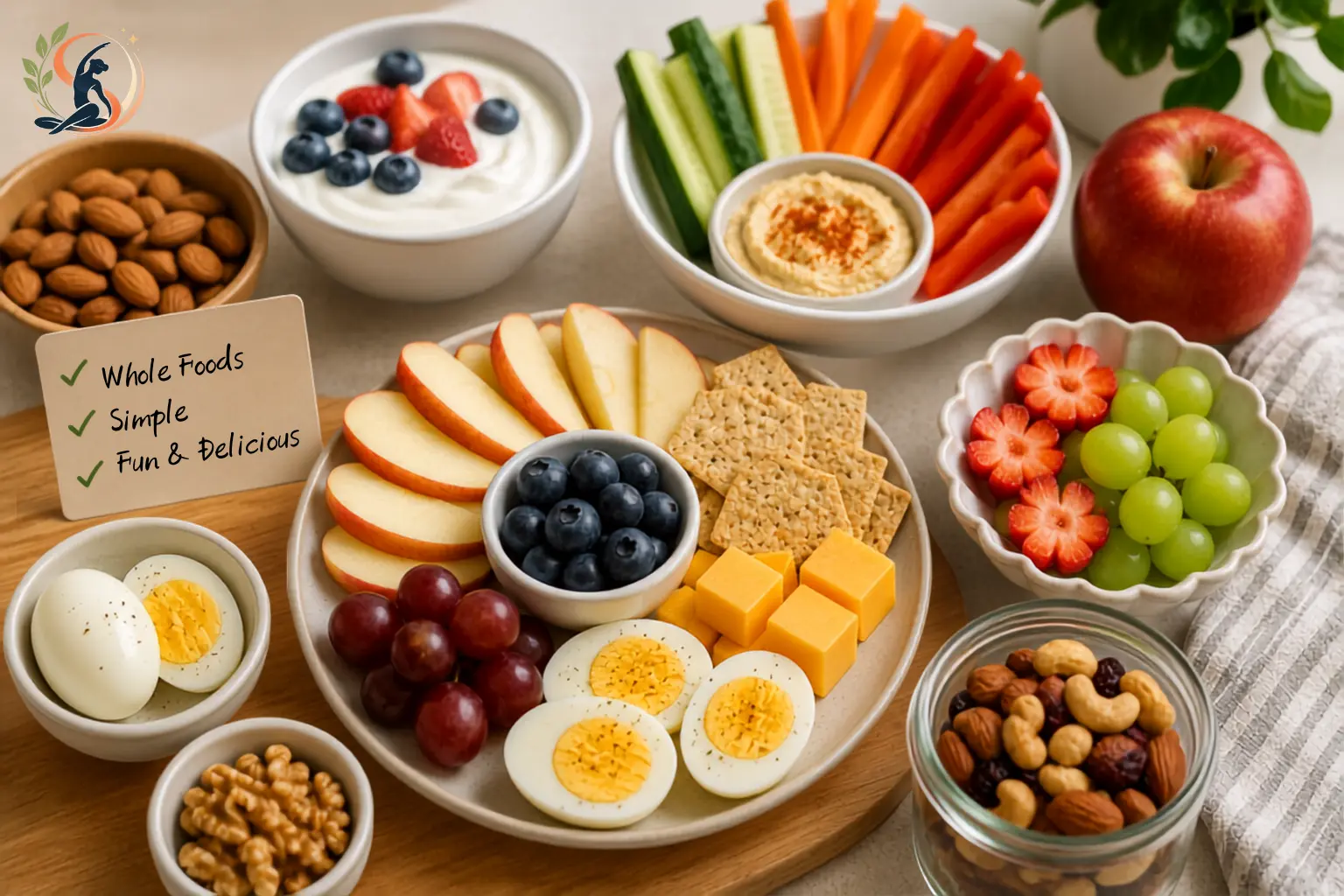
Bars get most of the attention in this category, but they're far from the only option worth having on hand at any given time.
Whole Food Snacks and Organic Healthy Snack Options
Whole food snacks, meaning food that's barely processed at all, apples, nuts, hard-boiled eggs, plain yogurt, sidestep most of this whole labeling debate entirely, since there's really no label to argue with. An organic healthy snack label adds some peace of mind around pesticide exposure for produce specifically, though it doesn't automatically mean lower sugar or more nutrients, worth keeping in mind before paying extra for the organic version of something already fairly processed.
Simple Snacks and Fun Snacks Worth Keeping Stocked
Simple snacks don't need to be complicated to work well and honestly, the simpler ones usually win out day to day. Fruit, cheese, nuts, a hard-boiled egg. Fun snacks, on the other hand, are more about presentation, cutting fruit into fun shapes or building a small snack board with a few different bites to choose from. Both categories matter for different reasons, one for convenience, one for actually wanting to eat the thing sitting in front of you.
Frequently Asked Questions
1. What is the healthiest snack bar to eat?
Bars built mostly from nuts, seeds and oats, with under 8 grams of sugar and at least 3 grams each of protein and fiber, tend to rank highest. Checking the ingredient list for recognizable whole foods listed first matters more than any single marketing claim on the box.
2. What are the 10 healthiest snacks?
Mixed nuts, apple slices, Greek yogurt, roasted chickpeas, hard-boiled eggs, homemade granola bars, veggie sticks with hummus, plain popcorn, berries and low-sugar protein bars cover most bases well. Each brings protein, fiber or both, which keeps snacks satisfying instead of forgettable.
3. Are store-bought protein bars healthy?
It depends heavily on the brand. Some deliver real protein with reasonable sugar, while others lean on sugar alcohols and low-quality fillers. Checking grams of protein against grams of sugar and looking for 3 to 5 grams of fiber, is the fastest way to tell them apart.
4. Is it cheaper to make your own snacks?
Usually, yes, especially for bars. Homemade granola bars often cost 30 to 50 cents each, compared to $1.50 to $2.50 for a similar store-bought bar. Buying plain bulk snacks like nuts or popcorn can be even cheaper than either option.
5. What ingredients should I avoid in packaged snacks?
Watch for sugar or syrup listed in the first three ingredients, long lists of artificial preservatives and multiple types of added sugar disguised under different names. A short, recognizable ingredient list is usually a strong sign of a genuinely healthier snack.
6. How do you make a homemade healthy snack bar?
Combine two cups of rolled oats, half a cup of nut butter and a third cup of honey, plus any mix-ins like nuts or dried fruit. Press into a pan and bake at 350°F for 15 to 20 minutes. This basic method keeps sugar and additives far lower than most store-bought versions.
Conclusion
Healthy snack bars aren't automatically healthy just because the box says so and homemade isn't automatically better just because you made it yourself. What actually matters is the ingredient list and the numbers behind it, sugar, fiber, protein, all sitting right there on the label if you take a minute to actually check. Whether you're grabbing a bar from a vending machine or baking a batch on a Sunday afternoon, that same short checklist works every time, no exceptions.


Comments (0)
No comments yet. Be the first to share your thoughts!
Leave a Comment