
I spent years making tuna salad the way my mom did, which basically meant drowning a can of tuna in enough mayo to feed a family of six. Tasted fine, sure. Sat in my stomach like a brick afterward though, every single time, heavy in a way that made the rest of the afternoon feel like a mistake I'd made on purpose.
It took me embarrassingly long to figure out a healthy tuna salad recipe didn't mean sacrificing flavor. Just rethinking what actually went into the bowl in the first place, which, in hindsight, feels obvious now but genuinely wasn't back then.
This guide covers a genuinely healthy tuna salad recipe, mayo alternatives that actually work and honest answers about whether tuna salad fits into weight loss goals at all. We'll also get into healthy salmon recipes and a few other seafood options worth adding into your weekly rotation, including this weeknight favorite if you want more variety and yes, the tuna salad recipe Matthew McConaughey randomly made everyone curious about last year.
What Is the Healthiest Way to Make Tuna Salad?
The healthiest tuna salad starts with rethinking a couple of default ingredients most people never bother questioning. Myself included, for way too long, out of pure habit more than anything else.
Choosing the Right Tuna
Tuna packed in water rather than oil cuts calories significantly without losing much protein at all. Look for chunk light tuna specifically, since it tends to carry lower mercury levels than albacore, which matters more the more often you're eating it week after week without really thinking about it.
Building in Vegetables and Crunch
Diced celery, red onion and even shredded carrots add crunch and volume without adding many calories at all. This bulks up the salad, meaning you eat more food for the same calorie cost. Honestly one of the easiest wins in healthy eating that people overlook constantly for no good reason whatsoever.
What Can I Use Instead of Mayo With Tuna?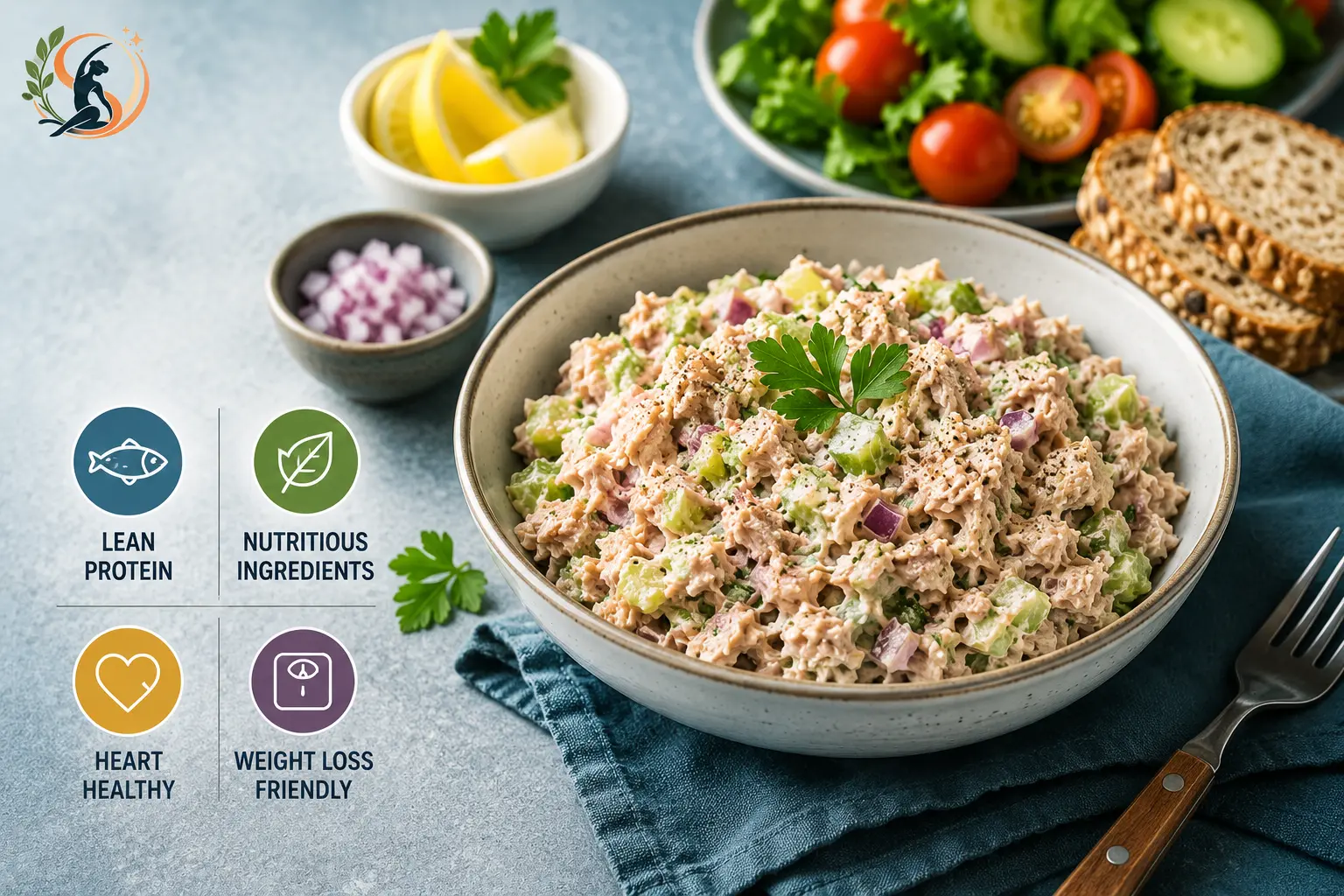
Mayo isn't strictly necessary, even though it's the default binder in basically every traditional recipe out there. Mine included, for most of my life, until pretty recently actually.
Greek Yogurt and Avocado Swaps
Plain Greek yogurt swapped in for half or all of the mayo adds protein while cutting fat and calories substantially. Mashed avocado works beautifully too, adding healthy fats and a creamy texture that genuinely rivals mayo, plus a little extra fiber mayo never offered in the first place. Not that anyone ever specifically asked mayo for fiber content, but still.
Mustard and Vinegar Based Options
For an even lighter approach, a simple mix of Dijon mustard, a splash of vinegar and a touch of olive oil skips the creaminess entirely in favor of something tangier and, honestly, kind of addictive once you get used to it.
It's a different vibe. Less classic deli salad, more Mediterranean lunch counter. But it grew on me faster than I expected it to, which genuinely surprised me the first time I tried it.
Is Tuna Salad Healthy for Weight Loss?
Yes, genuinely, when it's built the right way rather than drowning in full-fat mayo and served over white bread like it's still 1995 somewhere.
Calories and Protein Breakdown
A healthy tuna salad recipe made with Greek yogurt or avocado instead of full mayo typically runs 150 to 250 calories per serving while delivering 20 or more grams of protein. That protein-to-calorie ratio makes it genuinely useful during weight loss, since it keeps you full without eating up your entire calorie budget in one sitting. Which honestly happens more than people admit with the traditional, mayo-heavy version.
What's in Matthew McConaughey's Tuna Salad?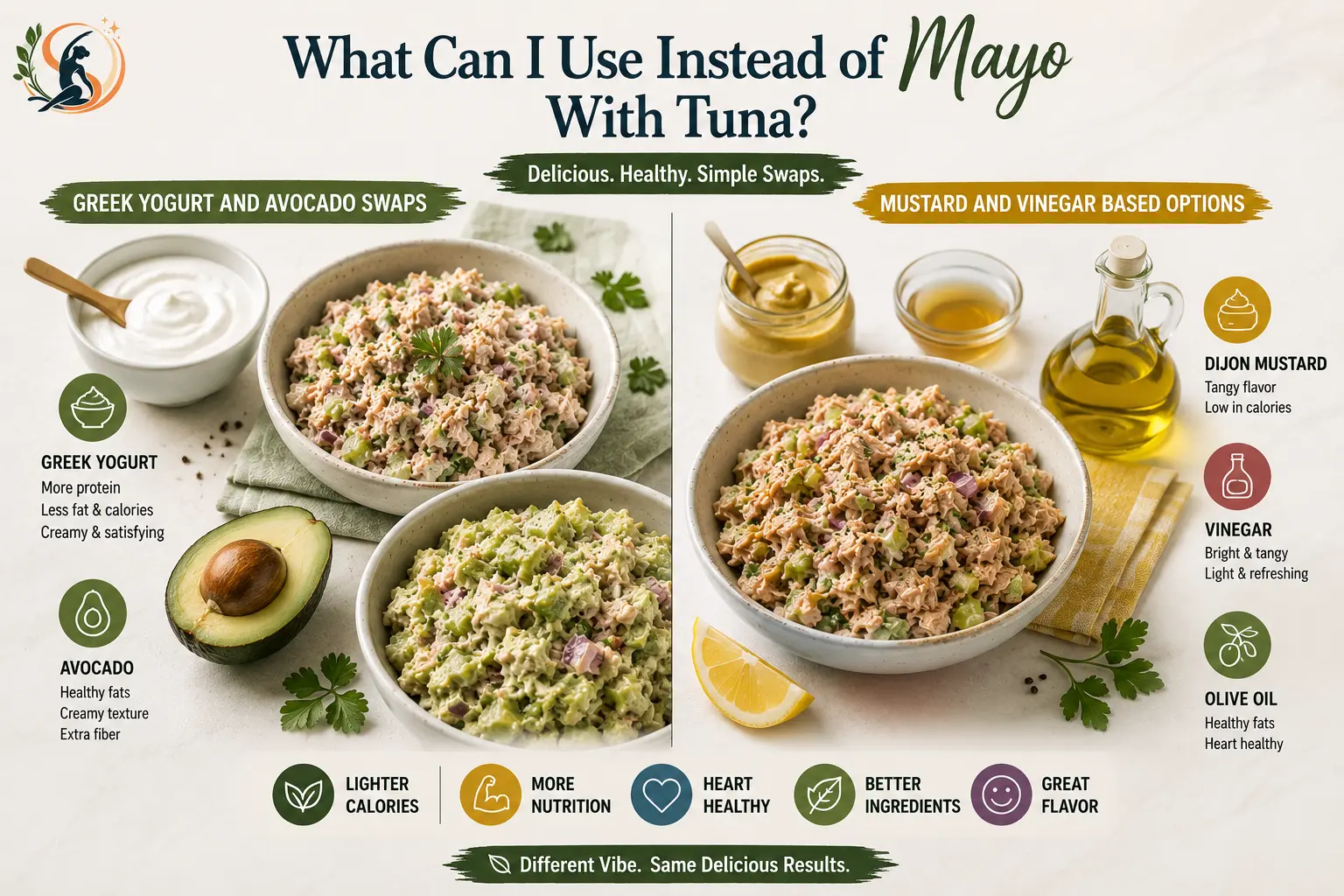
This one blew up online after McConaughey talked about his tuna salad on a podcast appearance, describing himself, only half joking apparently, as a self-proclaimed tuna salad master of some kind.
His version isn't exactly a traditional, lighter recipe. It leans hard into bold, unexpected flavors rather than trying to be a diet-friendly option specifically and honestly? That's part of the charm of the whole thing.
The ingredient list includes canned tuna, mayonnaise, wasabi paste, lemon juice, a splash of vinegar, Italian seasoning, a touch of honey or agave, diced apple, corn, frozen peas, red onion, pickles and crispy jalapeño chips crumbled on top for crunch.
Genuinely more of a flavor-forward, adventurous take than a health food recipe, though swapping the mayo for Greek yogurt would bring it a lot closer to something you could eat regularly without much guilt attached to it.
I tried a version myself once, out of pure curiosity more than anything and the wasabi genuinely surprised me in a good way I wasn't expecting.
Is Canned Tuna Healthy?
Yes, canned tuna is genuinely healthy in moderation, offering lean seafood protein along with omega-3 fatty acids most people don't get nearly enough of otherwise, myself included before I started paying attention.
Sustainable Seafood Choices
Choosing canned tuna labeled pole-and-line caught or from sustainable seafood choices programs supports better fishing practices without sacrificing the nutritional benefits at all. Rotating between light tuna and occasional albacore, rather than eating the same type daily out of pure habit, also helps manage mercury exposure sensibly over time.
Healthy Salmon Recipes Worth Trying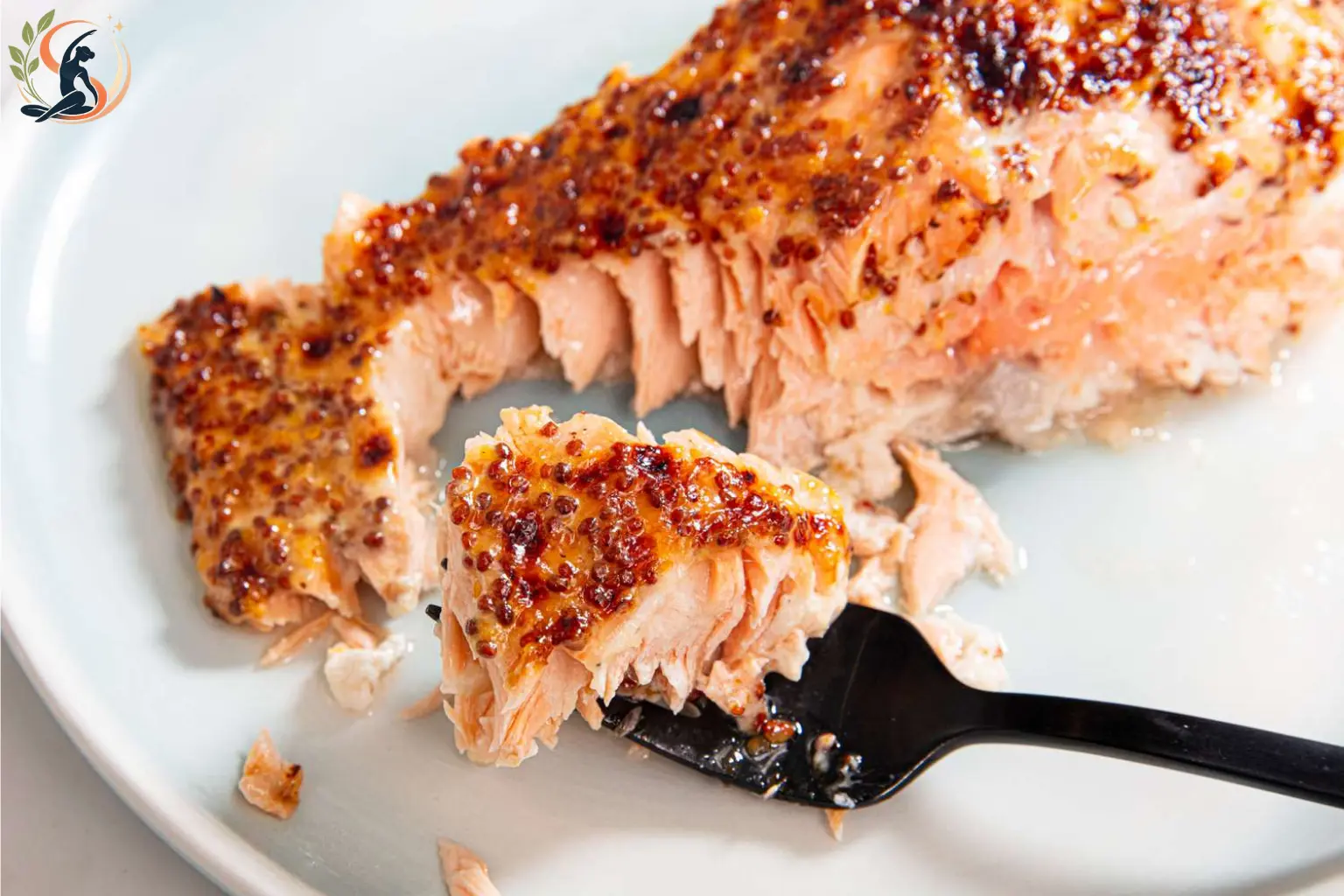
Salmon deserves just as much attention as tuna when it comes to healthy seafood options. If not more, honestly, depending who you ask.
Baked Salmon Recipes
Baked salmon recipes built around a simple lemon, garlic and olive oil combination deliver serious flavor without much effort at all, which is exactly what a good weeknight dinner should be in my opinion.
Baking at 400 degrees for roughly twelve to fifteen minutes keeps the fish moist while developing a light char on top that genuinely elevates the whole dish beyond what the minimal effort would ever suggest.
Omega-3 Rich Recipes Beyond Salmon
Omega-3 rich recipes don't have to stop at salmon either, though it definitely gets most of the spotlight and probably deserves it. Sardines, mackerel and even omega-3 fortified eggs offer heart-healthy fats for anyone looking to diversify beyond the usual salmon fillet week after week after week.
If you're managing inflammation specifically, we've covered this elsewhere in a lot more depth, since the same logic applies there too.
Healthy Tuna Recipes Beyond Salad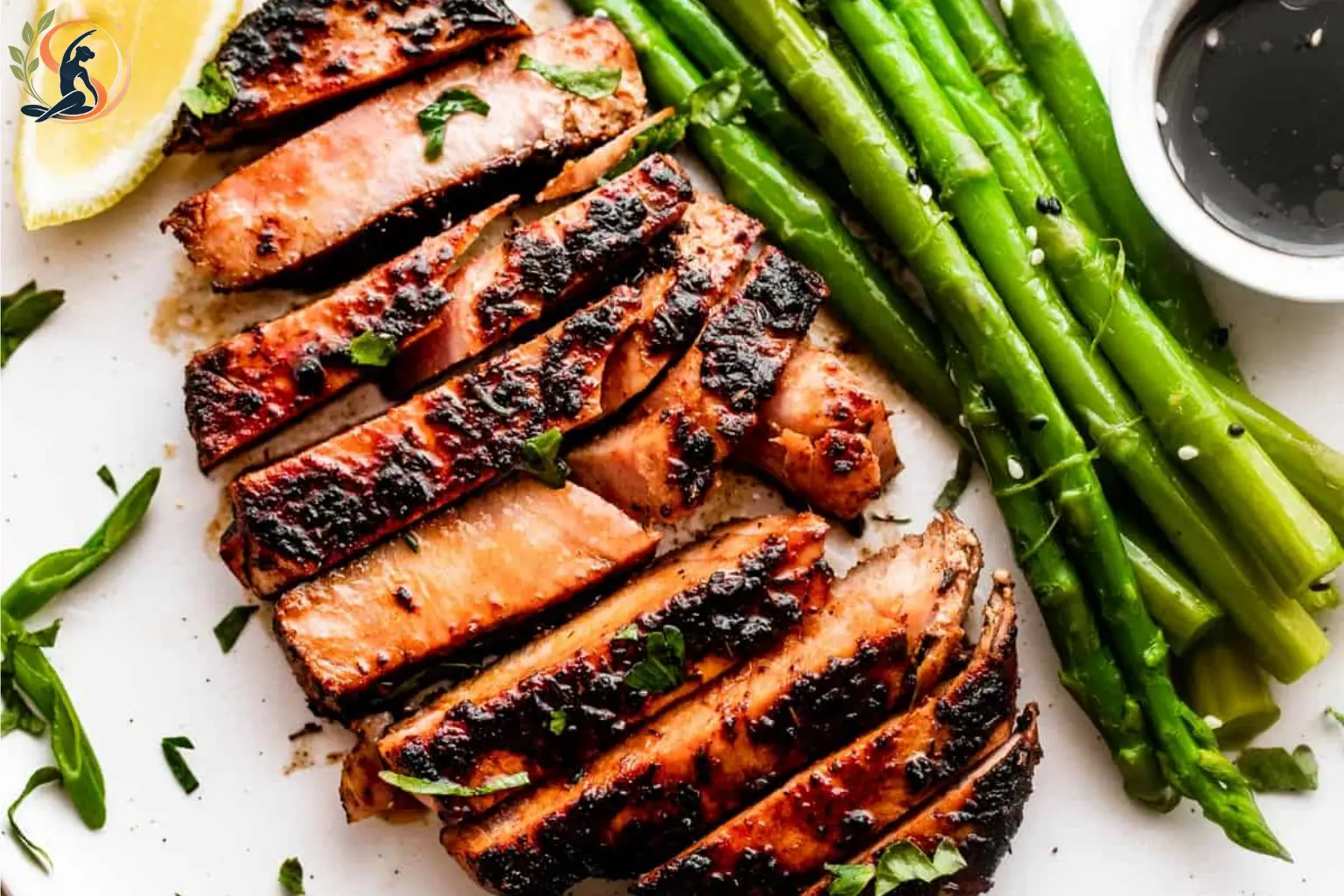
Tuna works in plenty of dishes beyond the classic salad format most people default to automatically without really thinking about other options available to them. Seared ahi tuna steaks, tuna patties made with oats instead of breadcrumbs and a simple tuna and white bean salad all make solid options worth rotating into your week.
These deliver the same lean seafood protein without falling into the same mayo-heavy rut that traditional tuna salad tends to create over time. On nights you'd rather go with red meat instead, we've got you covered here too, rotating in nicely alongside seafood nights.
How Often Should You Eat Salmon Per Week?
Most nutrition guidelines suggest two servings of fatty fish like salmon weekly, roughly three to four ounces per serving, to get meaningful omega-3 fatty acid benefits. Eating more than that generally isn't harmful for most people, though variety across different fish types helps manage any mercury concerns while still supporting heart-healthy fats intake consistently across the week.
Common Mistakes People Make With Tuna Salad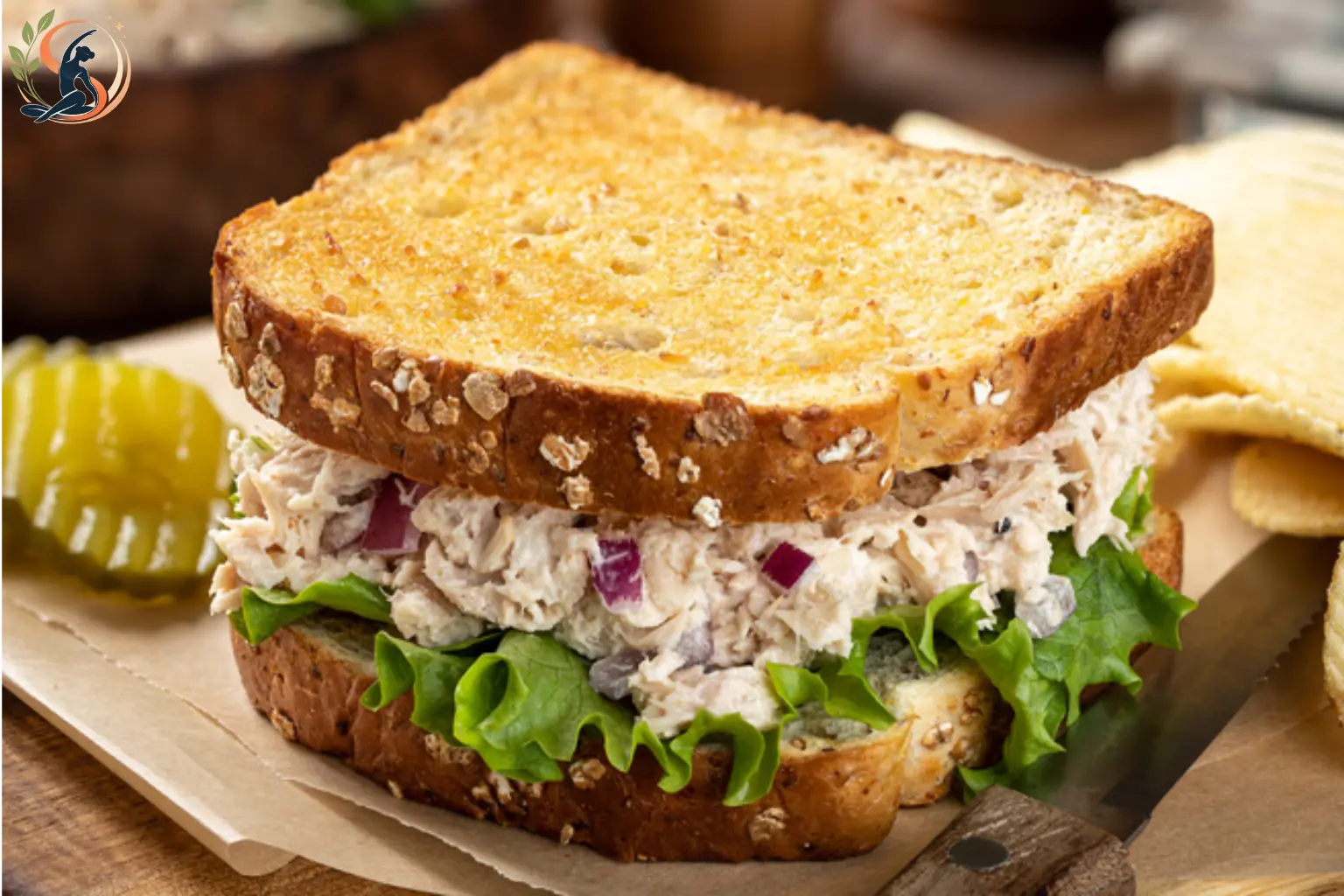
I've made most of these mistakes myself over the years. Honestly, more than once each, before finally figuring out what actually worked through trial and a fair amount of error. Overdraining the tuna until it's completely dry leaves the salad feeling chalky and sad, so leaving a tiny bit of moisture actually helps texture more than people expect going in.
Adding mayo or yogurt while the tuna is still warm from being drained also tends to make the dressing separate slightly, so letting it cool for a few minutes first genuinely makes a difference you'll notice.
And seasoning only with salt and pepper, skipping herbs entirely, leaves a lot of flavor sitting on the table that costs literally nothing extra to add in.
Building a Weekly Seafood Rotation That Actually Works
Sticking to just tuna salad or just salmon gets old fast, honestly, no matter how much you genuinely like either one on their own merits. Mixing in shrimp, cod or even canned salmon for quick lunches keeps things interesting while still delivering the same lean seafood protein and omega-3 benefits across the board.
I try to rotate through at least three different types of seafood weekly now, mostly because eating the exact same lunch five days running eventually makes me want to throw the whole container out the window in pure frustration, which, let's be honest, helps nobody.
Meal Prepping Tuna and Salmon for the Week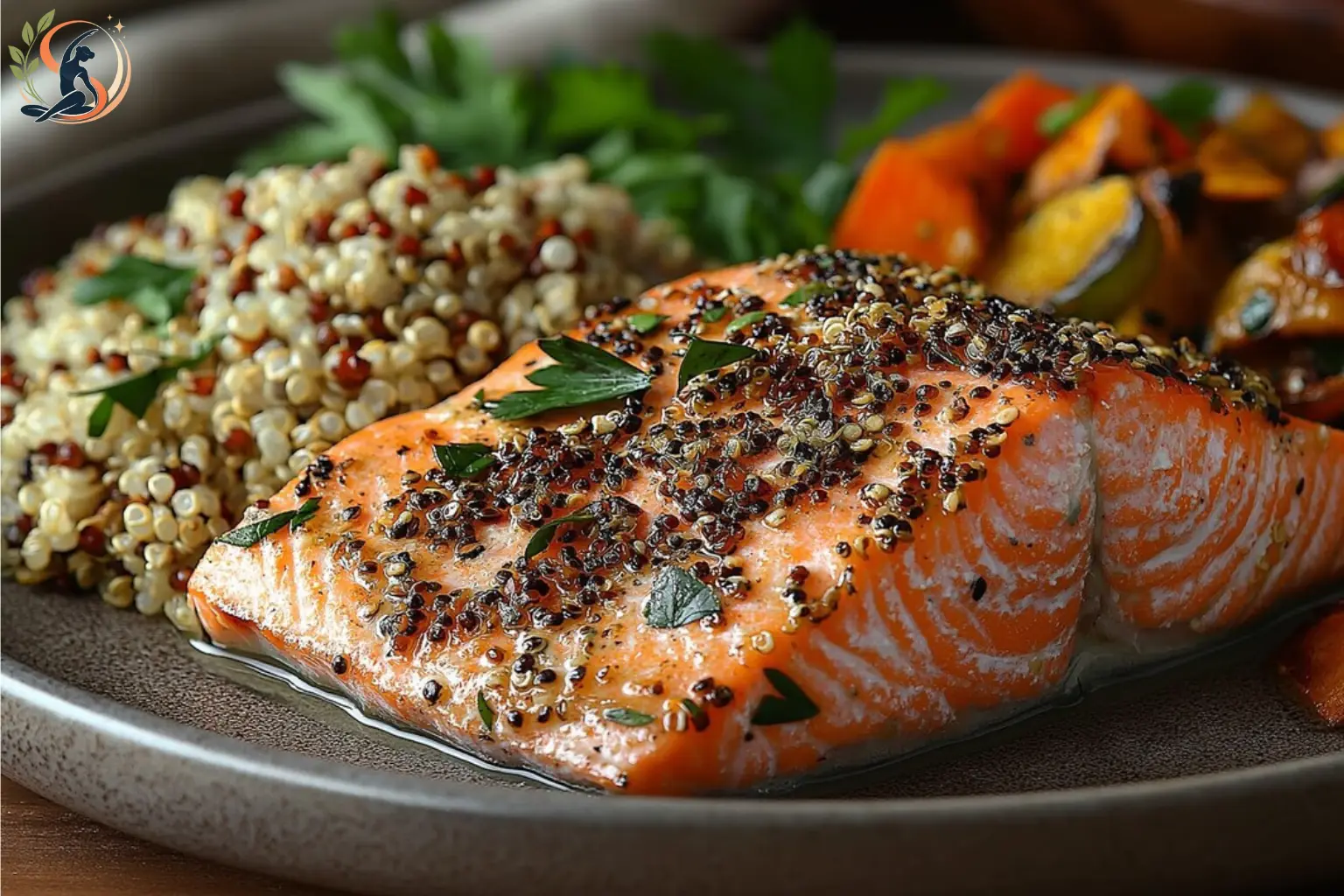
Both tuna salad and baked salmon hold up surprisingly well for meal prep, which honestly makes weekday lunches a lot less stressful once you get the rhythm figured out.
Prepping a big batch of healthy tuna salad on Sunday, then portioning it into containers with crackers or greens on the side, keeps lunch simple for three or four days without much daily thought required at all.
Salmon works a little differently since reheating fish can get funky fast in a shared office fridge, so I usually prepare it to eat cold over a salad instead of microwaving it and stinking up the break room. Which nobody appreciates, myself included, when someone else has done exactly that to me before more times than I'd like to count.
Frequently Asked Questions
1. How often should you eat salmon per week?
Most nutrition experts recommend eating salmon or other fatty fish about two times weekly, roughly three to four ounces per serving. This provides solid omega-3 fatty acid intake supporting heart health without overexposure to mercury, which stays low in salmon compared to larger predatory fish species.
2. Is canned tuna healthy?
Yes, canned tuna is a healthy source of lean protein and omega-3 fatty acids when eaten in moderation. Choosing light tuna over albacore reduces mercury exposure and pairing it with vegetables rather than heavy mayo keeps the overall dish genuinely nutritious.
3. What's a healthy way to make tuna salad?
Use tuna packed in water, swap mayo for Greek yogurt or avocado and add vegetables like celery and red onion for crunch. This approach keeps protein high while cutting unnecessary fat and calories compared to traditional, mayo-heavy tuna salad recipes.
4. Are omega-3 fatty acids important for heart health?
Yes, omega-3 fatty acids support heart health by reducing inflammation, lowering triglyceride levels and supporting healthy blood pressure. Regularly eating fatty fish like salmon or tuna provides these benefits more effectively than most supplements, according to current nutrition research.
5. What's the best sustainable seafood choice for tuna?
Pole-and-line caught tuna or tuna certified by sustainable seafood programs offers a responsible choice without sacrificing nutrition. These fishing methods reduce bycatch and environmental impact significantly compared to less selective, large-scale commercial tuna fishing methods still common today.
6. Can you freeze tuna salad?
Freezing tuna salad isn't recommended if it contains mayo or Greek yogurt, since both tend to separate and turn watery once thawed. Plain canned tuna itself freezes fine, but it's best to add creamy ingredients fresh after thawing instead.
Conclusion
A healthy tuna salad recipe doesn't require sacrificing flavor, just rethinking a few default ingredients that snuck in out of habit more than actual necessity. Swap the mayo, add real vegetables and pair it with a few solid salmon nights throughout the week for genuine variety in your seafood rotation.
Whether you're keeping things classic or trying something as wild as McConaughey's viral version, there's a healthy way to make tuna salad work for you. Wasabi is entirely optional, but honestly, give it a shot at least once.


Comments (0)
No comments yet. Be the first to share your thoughts!
Leave a Comment