
I avoided backbends for years. Genuinely years, not exaggerating for effect here. My lower back always felt tight and cranky and honestly a little resentful and every time an instructor called out bhujangasana pose yoga in class I'd quietly do this half-hearted version in the back row, hoping nobody noticed how little effort I was actually putting in. Turns out I was doing it wrong the whole time anyway. Which, looking back, explains a lot.
This guide covers bhujangasana, better known as cobra pose, plus the whole broader family of backbends and heart-opening poses, camel, wheel, fish, bow, a few others too. We'll get into the real benefits, safety stuff and how you actually progress into deeper backbends without wrecking your spine somewhere along the way. Like I nearly did. More than once, if I'm being fully honest with you here.
What Is Bhujangasana Pose Yoga?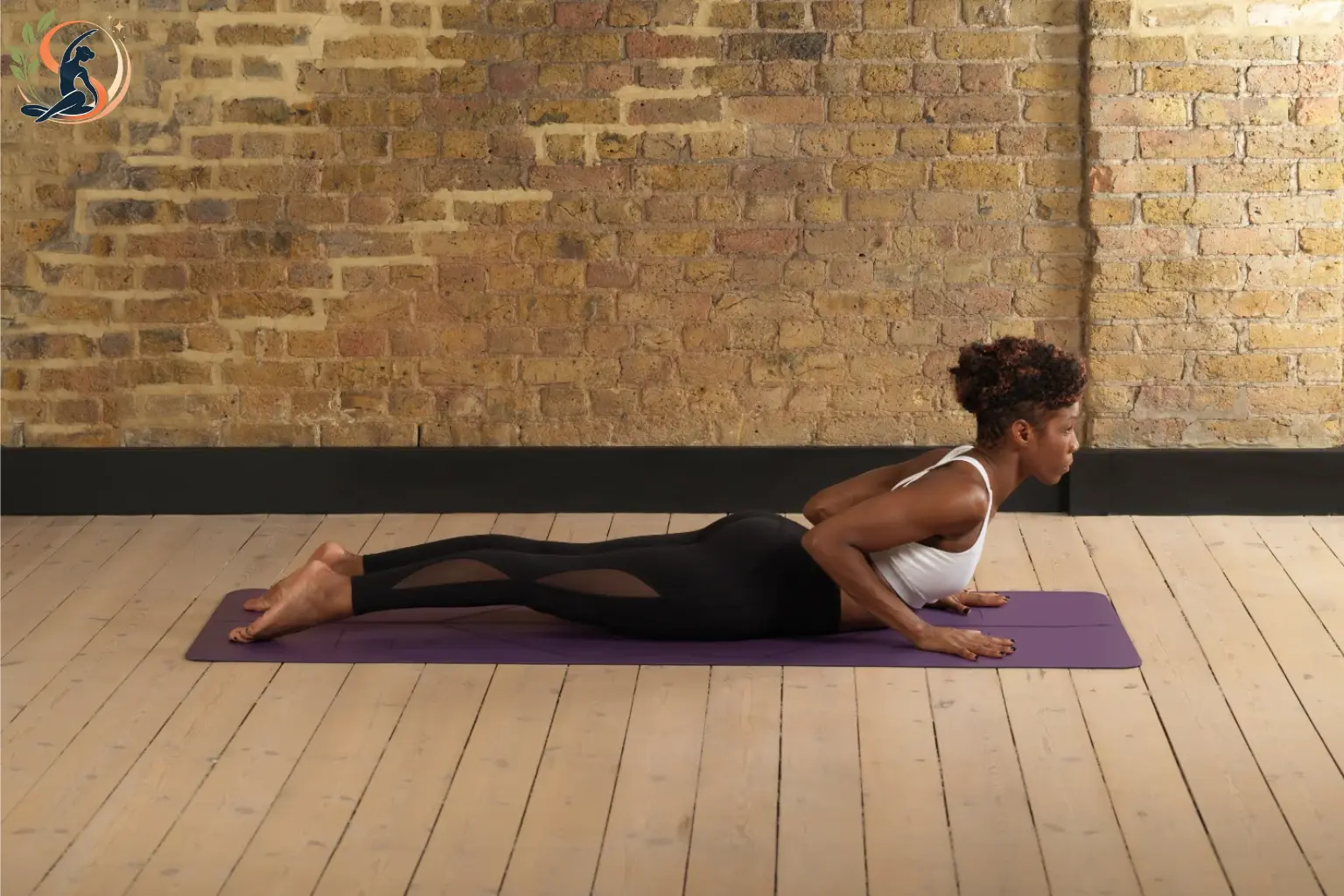
Bhujangasana or cobra pose if Sanskrit isn't your thing yet, is one of the most foundational backbends in yoga. Lying face down, lifting the chest using your back muscles instead of just your arms hauling you up like a bad pushup.
Benefits of Bhujangasana
The benefits of Bhujangasana honestly go way past just a nice stretch. It strengthens the muscles running along your spine, opens up the chest and shoulders, improves posture over time, which, if you're hunched over a laptop most of the day like basically everyone I know including myself right now typing this, matters a lot more than people give it credit for.
It also gently stimulates the abdominal organs apparently, which some people say helps digestion when you actually practice it consistently. Not just once, then forget about it for three months.
Spinal Extension and Thoracic Mobility
Cobra pose builds spinal extension in this controlled, supported kind of way and that matters more than people realize considering how much time we all spend slouched forward at screens now.
This thoracic spine mobility work genuinely undoes hours of bad desk posture, something I really wish somebody had explained to me clearly years back instead of just barking "sit up straight" at me every five minutes like that phrase ever actually fixed anything long term.
How to Practice Cobra Pose Safely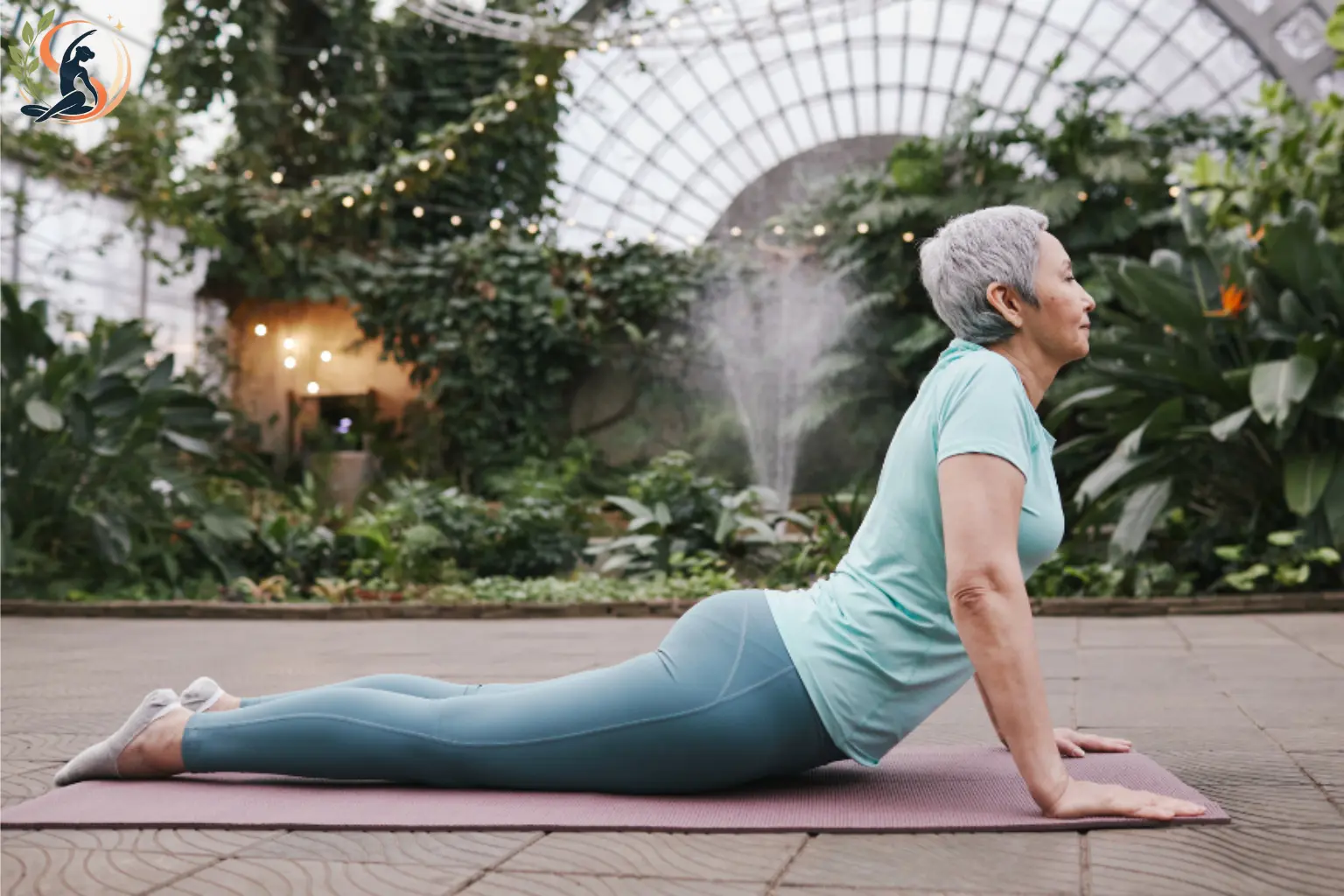
Getting bhujangasana pose yoga right actually matters more than rushing into some deeper, more impressive-looking version too soon.
Backbend Safety Tips
Keep your elbows slightly bent, not locked out straight and lift through the chest using your back muscles instead of just shoving upward with your arms like you're doing a weird pushup variation nobody asked for.
Backbend safety tips like this one protect your lower back from absorbing weight it was honestly never built to handle in this position, no matter how strong your arms feel that particular day.
Common Cobra Pose Mistakes
Biggest mistake in cobra pose, cranking the neck back way too far, straining your cervical spine unnecessarily just to look deeper for some photo nobody's even taking of you right then. Another one, fully straightening the arms, which shifts all the actual work away from your back muscles and just dumps it straight into your lower back instead. Exactly where you do not want that pressure sitting, trust me here.
Sphinx Pose as a Gentler Entry Point
Sphinx pose yoga works great for anyone whose back feels too tight or cranky for full cobra just yet. Me included, for way longer than I'd like to admit out loud to strangers on the internet. Forearms stay planted on the mat this time instead of palms, which creates a gentler backbend that still opens up the chest without asking as much from your lower back.
I actually started here myself, slowly working toward full cobra over time and honestly? Zero shame in staying at this level longer than you think you're supposed to. Nobody hands out medals for rushing a backbend. Nobody. Ever.
Camel Pose for Deeper Backbends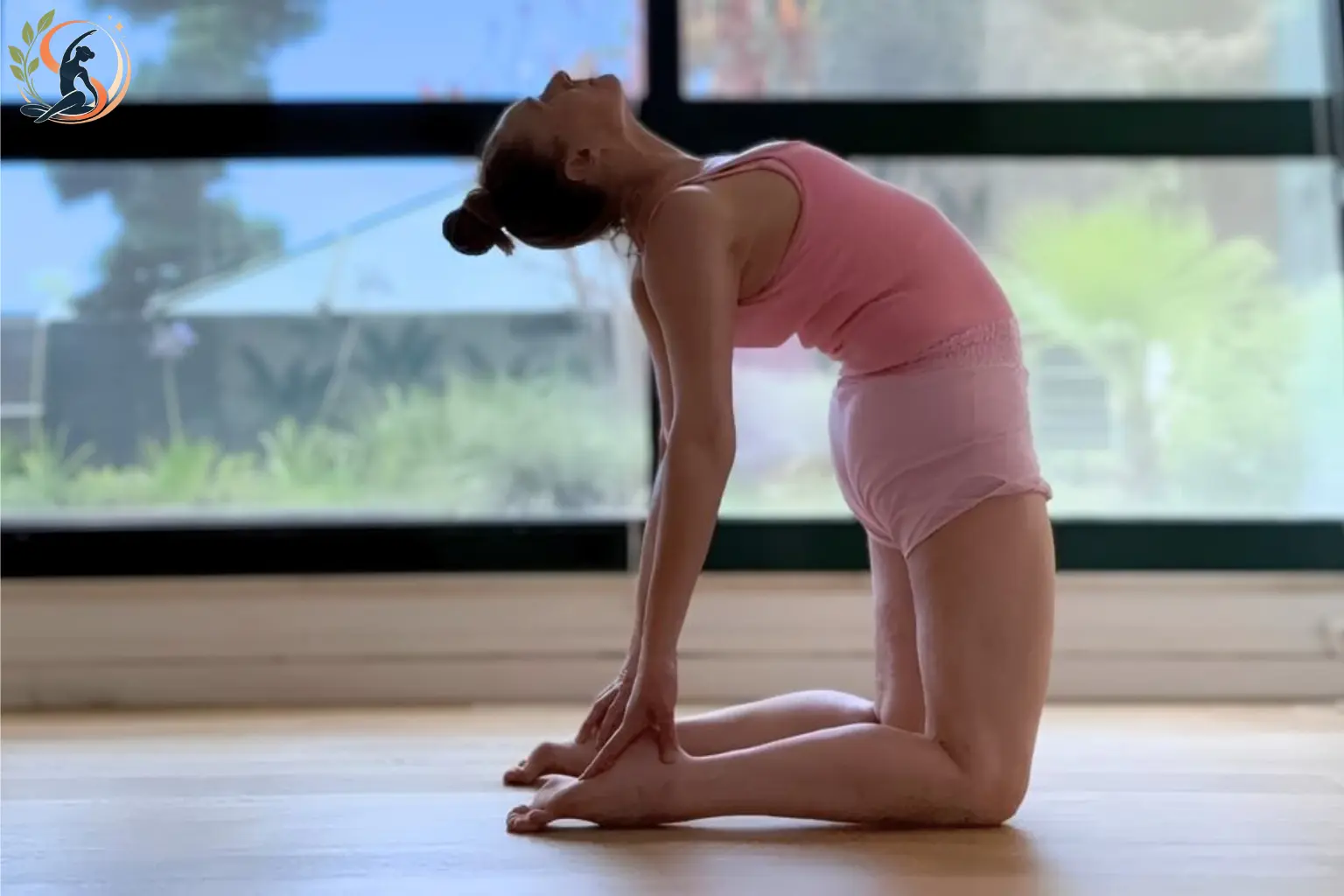
Camel pose yoga takes things up a notch, moving into a kneeling backbend that opens the chest and hip flexors at the same time, sounds simple enough until you actually attempt it and immediately question every decision that led you to this exact moment on the mat.
How to Do Camel Pose
Kneeling, hips stacked right over your knees, reach back toward your heels while lifting through the chest instead of just collapsing your lower back into a sad little heap. Camel yoga poses ask for more hip flexor flexibility than cobra does, so if it feels intense right out the gate, that's completely normal, not some sign you're failing at yoga somehow.
We've actually gone deeper into camel pose specifically in our full camel pose guide, genuinely worth a look if this particular pose gave you trouble the way it gave me for basically an entire year of frustrated attempts.
Wheel Pose: The Advanced Backbend
Wheel yoga pose sits near the top of this whole backbend progression thing and it genuinely should not be rushed. No matter how good you're feeling that day, no matter how confident that one lucky attempt made you feel.
Deep Backbend Progression
A solid deep backbend progression usually goes cobra, then sphinx, then camel, building both strength and flexibility before you ever even attempt wheel pose. Skipping steps here is basically the exact recipe for lower back strain that lingers around for weeks afterward. Sometimes longer than that even. I learned this one the hard way myself, wouldn't recommend the experience to literally anyone.
Wheel Pose Safety
Wheel pose yoga demands real shoulder flexibility and back strength working together, genuinely together, not just brute forcing your way up. Warming up properly and honestly, working with an actual instructor those first several times, prevents most of the injuries tied to rushing into this pose before your body's actually ready, whatever your ego might be whispering that particular morning.
Fish Pose for Heart Opening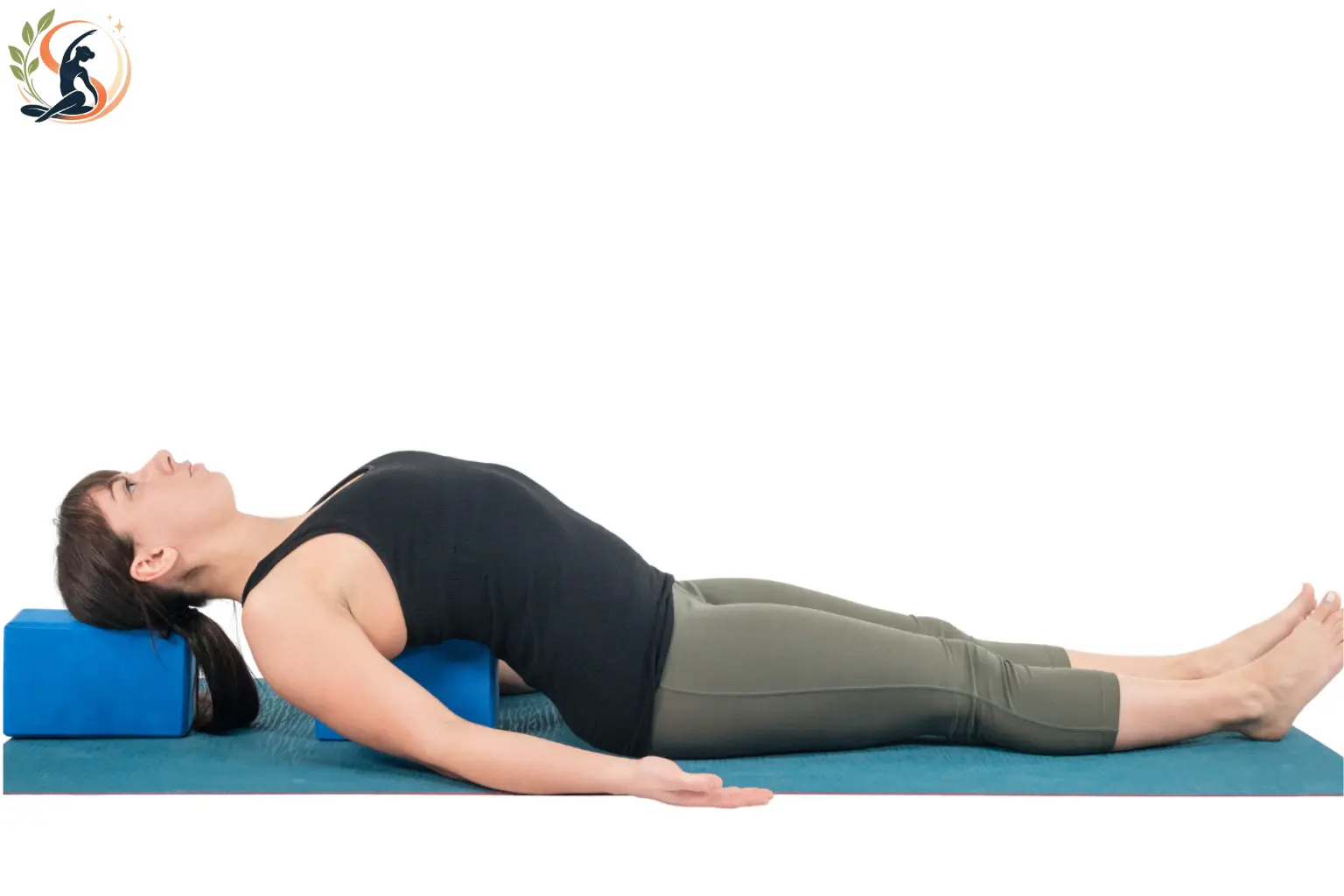
Fish pose yoga opens the chest up dramatically while still supporting your head and neck, making it one of the more accessible heart opening yoga poses even for total beginners on day one, first class ever.
Lying back, chest lifted, crown of the head just barely touching the mat, creates this deep stretch across the whole front of your body without asking for the strength wheel pose demands. Honestly one of my favorites if I'm picking sides. Calming in a way the more intense backbends just aren't, even now that I've genuinely grown to love those too.
Bow Pose and Wild Thing Pose
Bow pose yoga combines a backbend with gripping your own ankles, creating tension through the front body, kind of similar to a camel but from face-down instead of kneeling upright. Wild thing yoga pose throws in a playful, more expressive backbend variation, often flowing right out of downward dog, opening the chest while building shoulder and core stability at once.
Looks a little wild the first time you attempt it, hence the name I guess, but it's genuinely fun once you stop overthinking every single limb placement and just, you know, move through it.
Heart Opening Yoga Poses and Emotional Release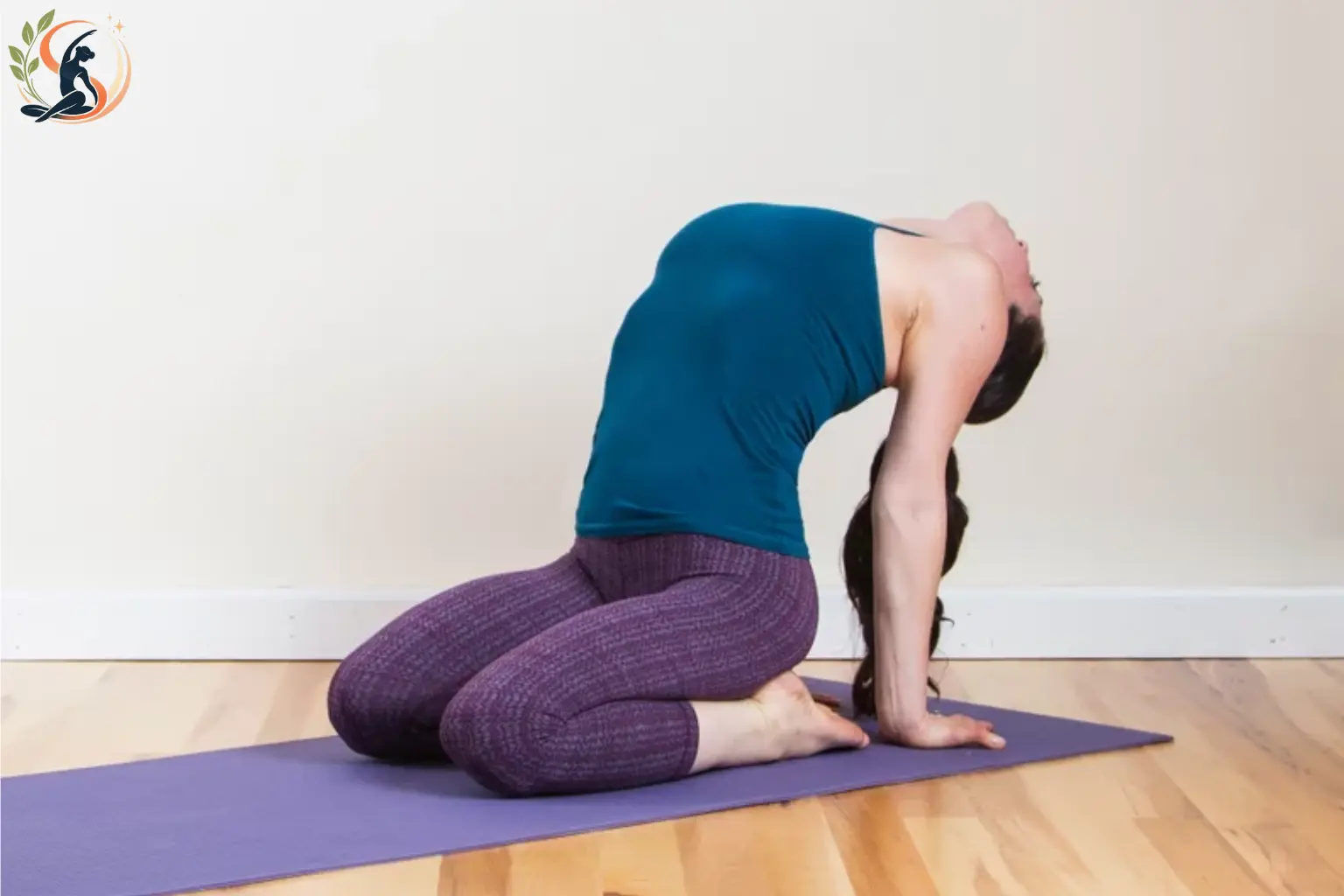
Backbends have this reputation for surfacing emotion out of nowhere and honestly? There's something real to that beyond just yoga folklore repeated endlessly in teacher training everywhere. Emotional release in backbends often gets pinned on the chest physically opening up, which some practitioners connect to feeling more emotionally exposed or vulnerable mid-practice.
Whether that's actual biology or just mental framing we've all absorbed from a thousand yoga classes over the years, honestly, who really knows for sure. But it's common enough that instructors bring it up regularly and I've personally felt this random wave of emotion mid-camel pose more than once myself. Caught me completely off guard the first time, just standing there afterward wondering why on earth I was suddenly close to tears over a stretch.
How Many Minutes of Yoga a Day Is Beneficial?
Research generally backs up that even fifteen to twenty minutes of yoga daily delivers real benefits for flexibility, strength, stress reduction, all of it. You genuinely don't need some hour-long session every single day to see actual results, no matter what those overly ambitious yoga influencers with the perfect lighting setup might have you believe.
Consistency beats duration here, hands down and a short daily backbend practice adds up over weeks and months in ways one single marathon session never quite manages to replicate, however impressive it feels in that one moment.
Anterior Chain Stretching and Why It Matters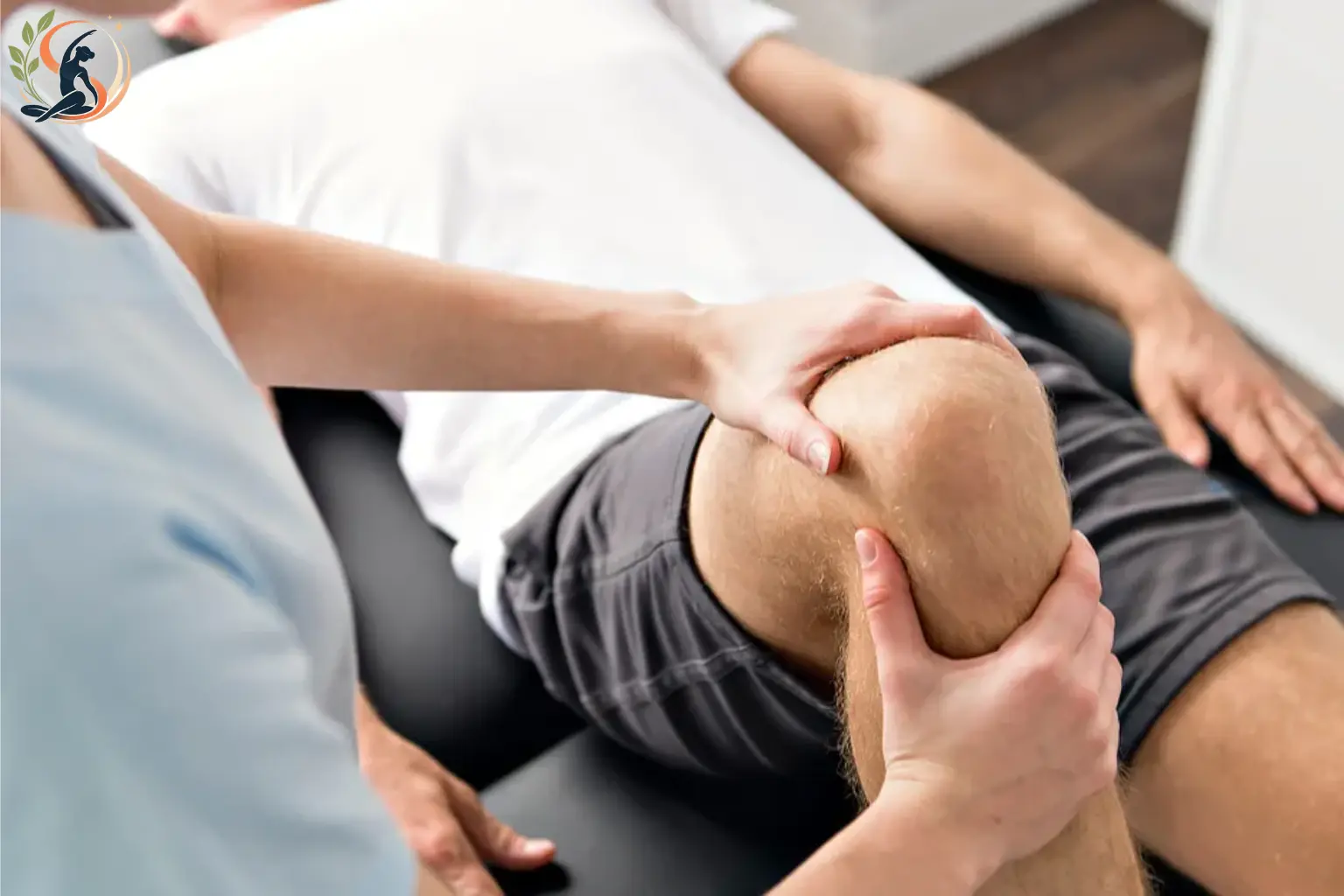
Most flexibility conversations focus on hamstrings and hip flexors, but anterior chain stretching genuinely deserves way more attention than it usually gets. Your entire front body, chest, abdomen, hip flexors, quads, tightens right up from constant sitting and that forward-hunched posture most of us live in daily without even clocking it happening in real time.
Backbends directly counter this by lengthening that whole anterior chain in one connected movement instead of isolating just one tight muscle at a time like most stretching routines tend to do.
This is honestly a big part of why backbends feel so relieving once you actually warm into them properly. They're addressing a pattern of tightness most people carry around all day without ever realizing it's even there, quietly building up behind the scenes the whole time.
Building Your Own Backbend Practice at Home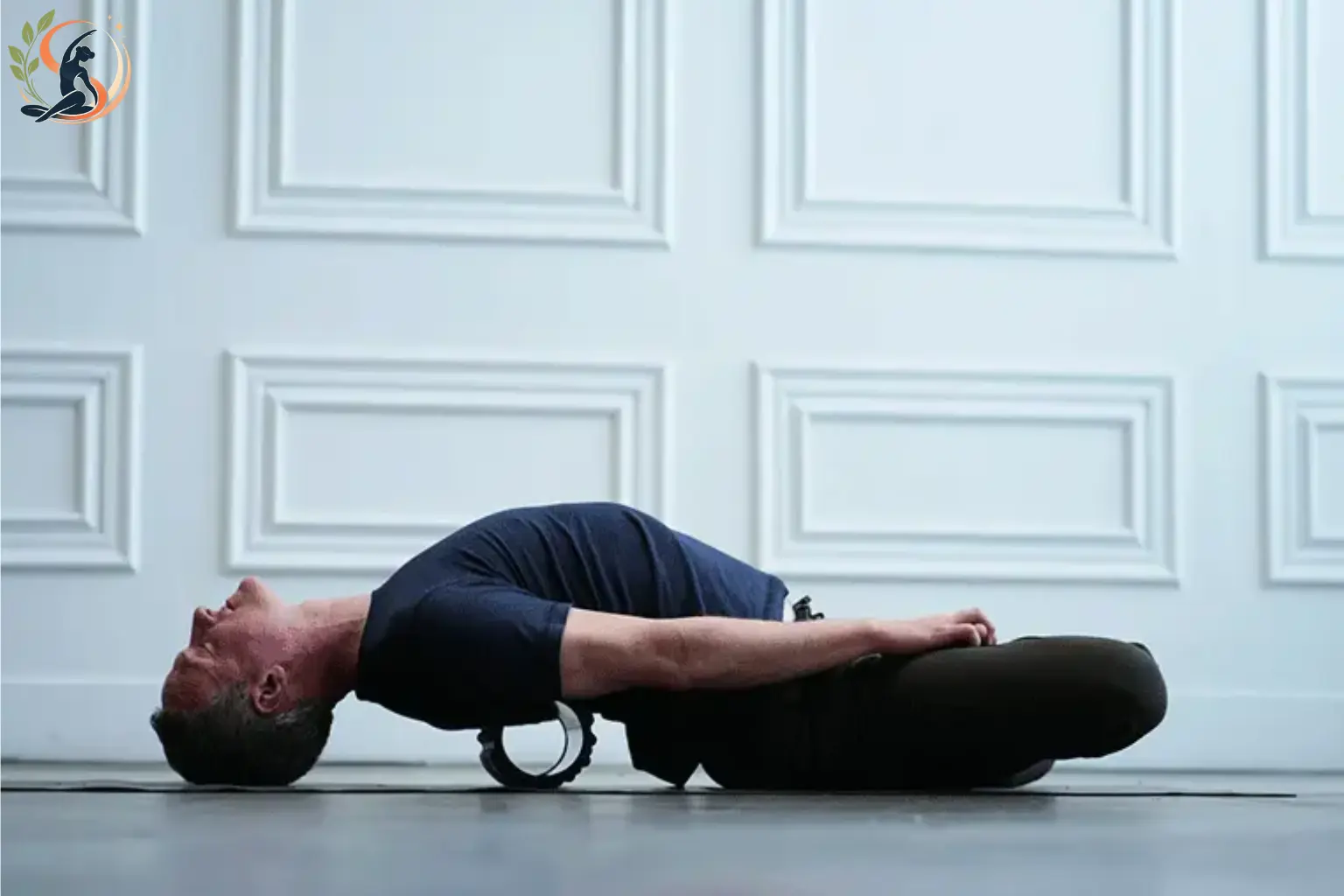
You genuinely don't need a studio to work through this whole progression, though having an instructor around for the more advanced poses definitely helps more than pride wants to admit out loud.
Start with a sphinx pose held for a slow minute, then move into cobra for a few rounds, breathing deeply through each one instead of rushing like you're racing some invisible opponent nobody else can see. Add camel pose once cobra feels genuinely comfortable, not just barely tolerable and only think about wheel pose once you've built real consistency across the earlier poses over several weeks running, not just a couple good days.
Rushing this whole thing is honestly the single most common way people end up sidelined with a cranky lower back for a month straight. Nobody wants that. Myself very much included, after learning this exact lesson the hard, slow, thoroughly annoying way.
Frequently Asked Questions
1. What are the 5 benefits of Bhujangasana?
Bhujangasana strengthens back muscles, improves posture, opens the chest and shoulders, stimulates abdominal organs supporting digestion and increases spinal flexibility. Regular practice also helps counteract the effects of prolonged sitting, making it especially useful for people with desk jobs.
2. Is Cobra Pose good for periods?
Yes, many practitioners find Cobra Pose helpful during menstruation since it gently stretches the abdominal region and may ease mild cramping. It's generally considered safe during periods, though listening to your body and avoiding overly intense variations is always recommended.
3. Is Bhujangasana good for the heart?
Bhujangasana isn't a cardiovascular exercise, but it opens the chest and improves posture, which may support easier, deeper breathing over time. Some practitioners also find the emotional, heart-opening quality of backbends supports overall stress reduction, indirectly benefiting heart health.
4. How many times should we do Bhujangasana?
Most practitioners repeat Bhujangasana two to three times per session, holding each round for 15 to 30 seconds. Practicing it a few times weekly, rather than daily at high intensity, generally builds strength and flexibility safely without overworking the lower back.
5. Which yoga pose has the most benefits?
No single pose universally offers the most benefits, since needs vary by individual. That said, poses like downward dog and cobra are often cited for combining strength, flexibility and stress relief across nearly every major muscle group simultaneously.
6. How many minutes of yoga a day is beneficial?
Fifteen to twenty minutes of daily yoga practice delivers measurable benefits for flexibility, strength and stress reduction according to most research. Consistency matters more than session length, making short daily practice genuinely more effective than occasional, longer sessions.
Conclusion
Bhujangasana pose yoga and this whole world of backbends offer way more than just a good stretch, real strength, better posture and honestly, a little unexpected emotional release most people never see coming walking in on day one. Start with cobra or sphinx, build strength slowly and let the deeper stuff like camels and wheels come with time instead of chasing them out of impatience or, let's be honest, a little bit of ego. Your spine and probably your mood too if we're being real, will genuinely thank you for the patience. Even if it doesn't feel that way during those first few wobbly, slightly embarrassing weeks.


Comments (0)
No comments yet. Be the first to share your thoughts!
Leave a Comment