
First time my teacher called out camel pose, I straight up froze mid-breath. Heart already racing before my knees even hit the mat. Half-convinced my spine wasn't built to bend that far back without something snapping, no exaggeration, that's genuinely where my head went and I glanced sideways at the girl next to me like maybe she'd back me up on this being a bad idea.
If you've ever stood at the edge of your mat side-eyeing camel pose, wondering if it's actually worth the discomfort, same. This yoga pose camel guide is me just walking through what it actually feels like, not the polished studio version, the real one. Sore knees, why it matters, how to not hurt yourself doing it and that weird emotional thing nobody warns you about.
No sugarcoating. Shaky arms, a bit of dread and eventually, some kind of relief I genuinely didn't expect.
What Is Camel Pose (Ustrasana) in Yoga
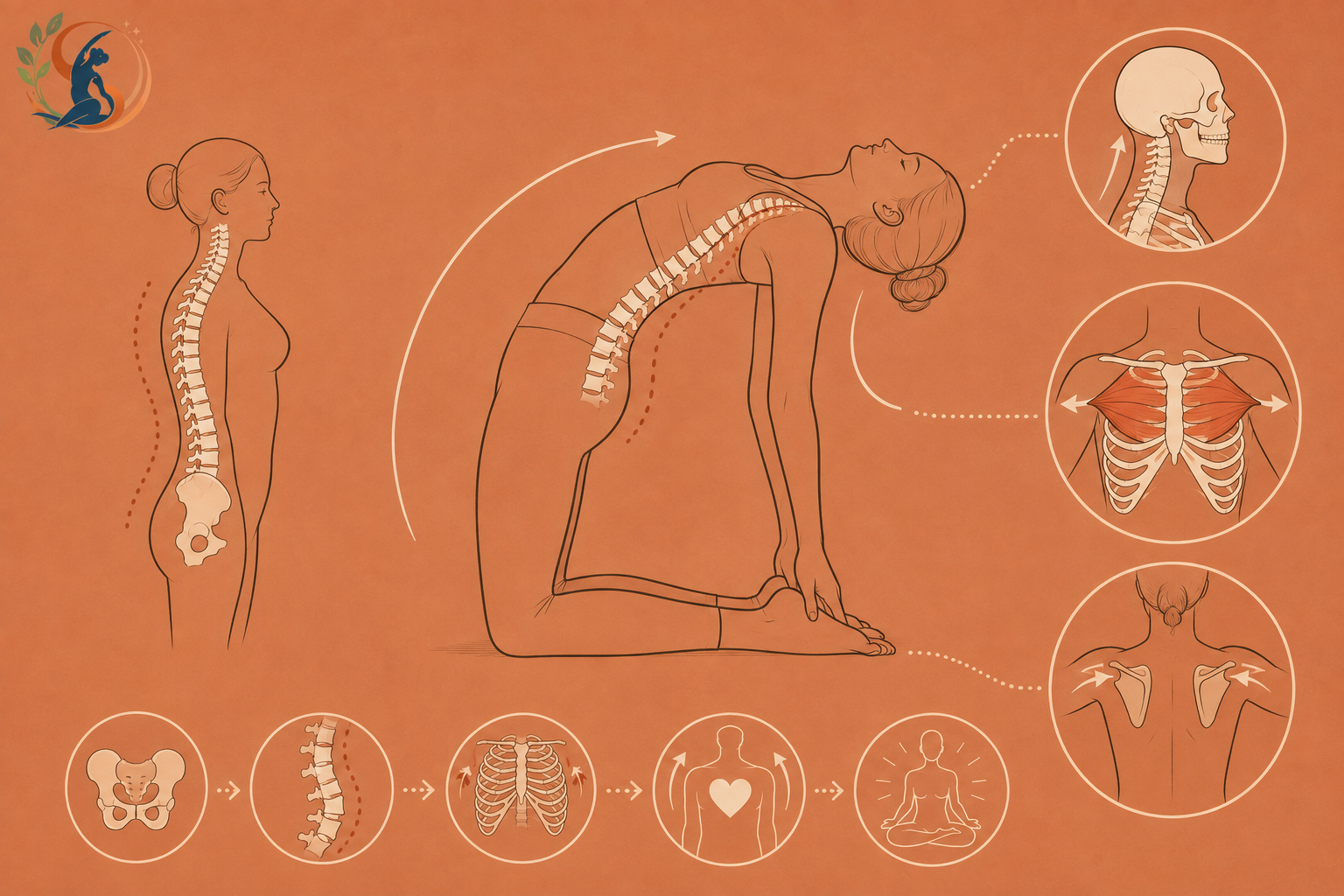
Camel pose, Ustrasana in Sanskrit, is this kneeling backbend where you reach your hands toward your heels and open your chest up toward the ceiling. Looks dramatic from across the room, almost theatrical honestly but strip away the visual and it's really just spinal extension plus a whole lot of controlled surrender through the front of your body.
What actually got me, the first time I understood yoga pose camel instead of just going through the motions of it, was realizing it's got nothing to do with flexibility for flexibility's sake. It's about the chest opening up, hip flexors finally getting a break from sitting hunched all day and creating room in a spine that spends most of its life curled over a laptop.
The History and Symbolism Behind Camel Pose
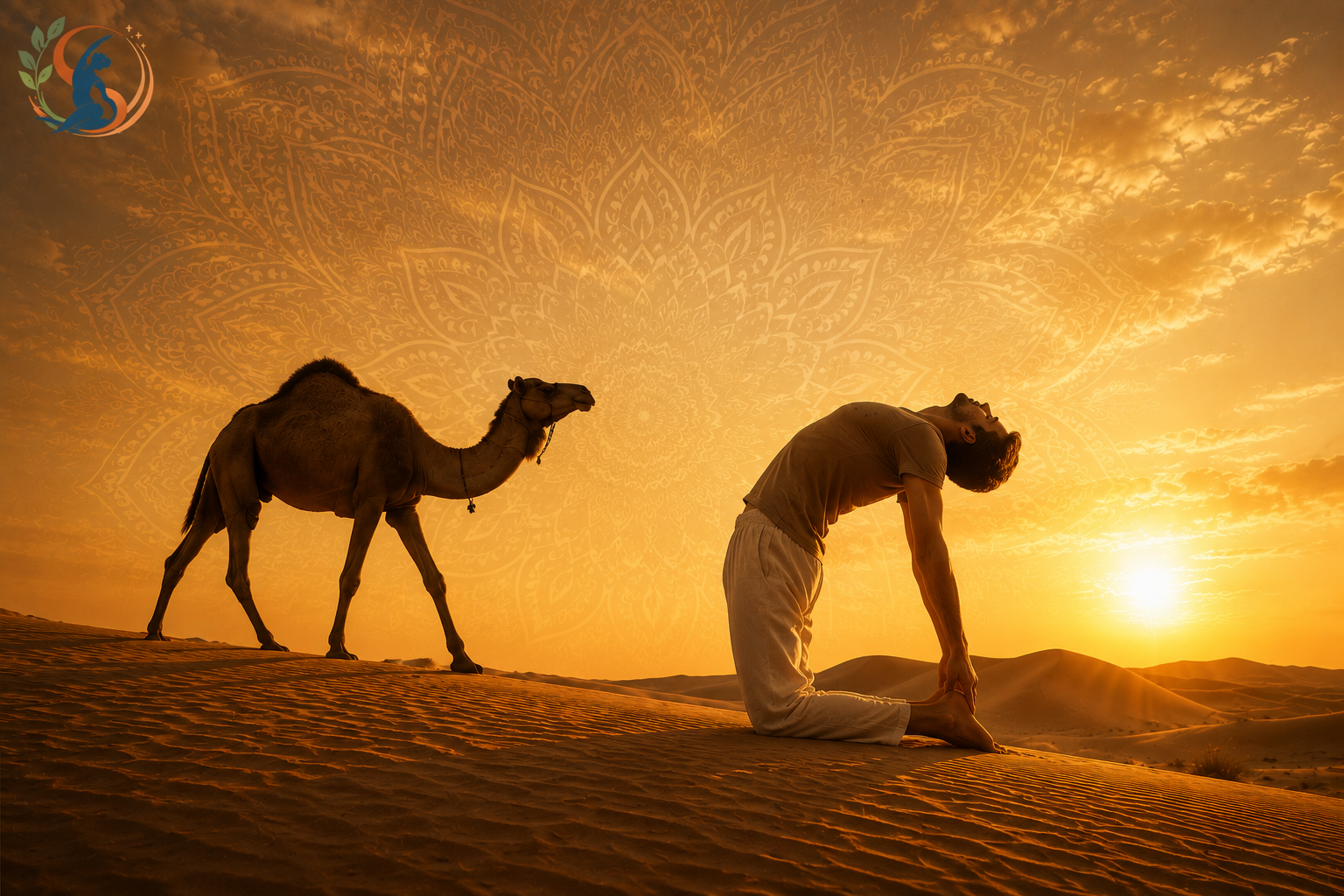
Ustrasana comes from the Sanskrit word ustra, meaning camel and yeah, the shape genuinely does look like a camel's hump when you catch someone mid-pose from the side. Kind of funny once you notice it. Like most yoga pose names, it's not just a cute label, it's literally describing the shape you're supposed to be working toward.
Older yogic texts tie backbends like this one to opening the anahata, the heart chakra and weirdly enough that lines up almost too well with what people actually report feeling centuries later. Energetic explanation, purely anatomical one, doesn't matter which one you buy into really, they both land on the same idea, a pose that's about opening up instead of closing down.
The Physical and Energetic Benefits of Camel Pose
Most people walk into their first yoga pose camel attempt just expecting a stretch. What catches them off guard is everything else that tags along, physically and, weirdly, emotionally too. Backbends have this reputation among teachers for being more than "just a stretch," and camel pose earns that reputation fast, sometimes faster than people are ready for.
Spine and Posture
Camel pose fights back against that forward hunch basically all of us are carrying from desks, phones, driving, you name it. Do it regularly and it lengthens the front of your spine while quietly strengthening the muscles along your back, which sounds like nothing until weeks later someone says "hey, you're standing differently" and you realize you didn't even notice it happening.
Chest and Lungs
Opening the chest this much does something to your breathing capacity that's genuinely hard to describe until you feel it yourself. Lungs that usually only get a shallow, hunched-over half-breath suddenly have room to actually expand and a lot of people notice they can pull in a deeper inhale almost right after a few rounds of it.
Emotional Release and Heart Opening
Okay, this is the part nobody tells you about beforehand. Deep backbends like camel pose have this way of stirring up something emotional, sometimes literally tears mid-pose for zero obvious reason. Teachers call it heart opening and, sure, that sounds a little woo but plenty of practitioners, me included, have felt it firsthand. I remember one class where my eyes just welled up halfway through the hold. Nothing was wrong that day. Nothing had even happened. It just surfaced, sat there for a second and passed the moment I came out of the pose.
Hip Flexors and Thighs
Kneeling with your hips pushed forward stretches muscles that barely get touched on a normal day, especially if you're glued to a desk for hours. Tight hip flexors from all that sitting finally get a real release here and your thighs, working to hold that kneeling base steady, quietly build strength you won't even clock you're building until you try a different pose and suddenly feel the difference.
Who Should Try Camel Pose
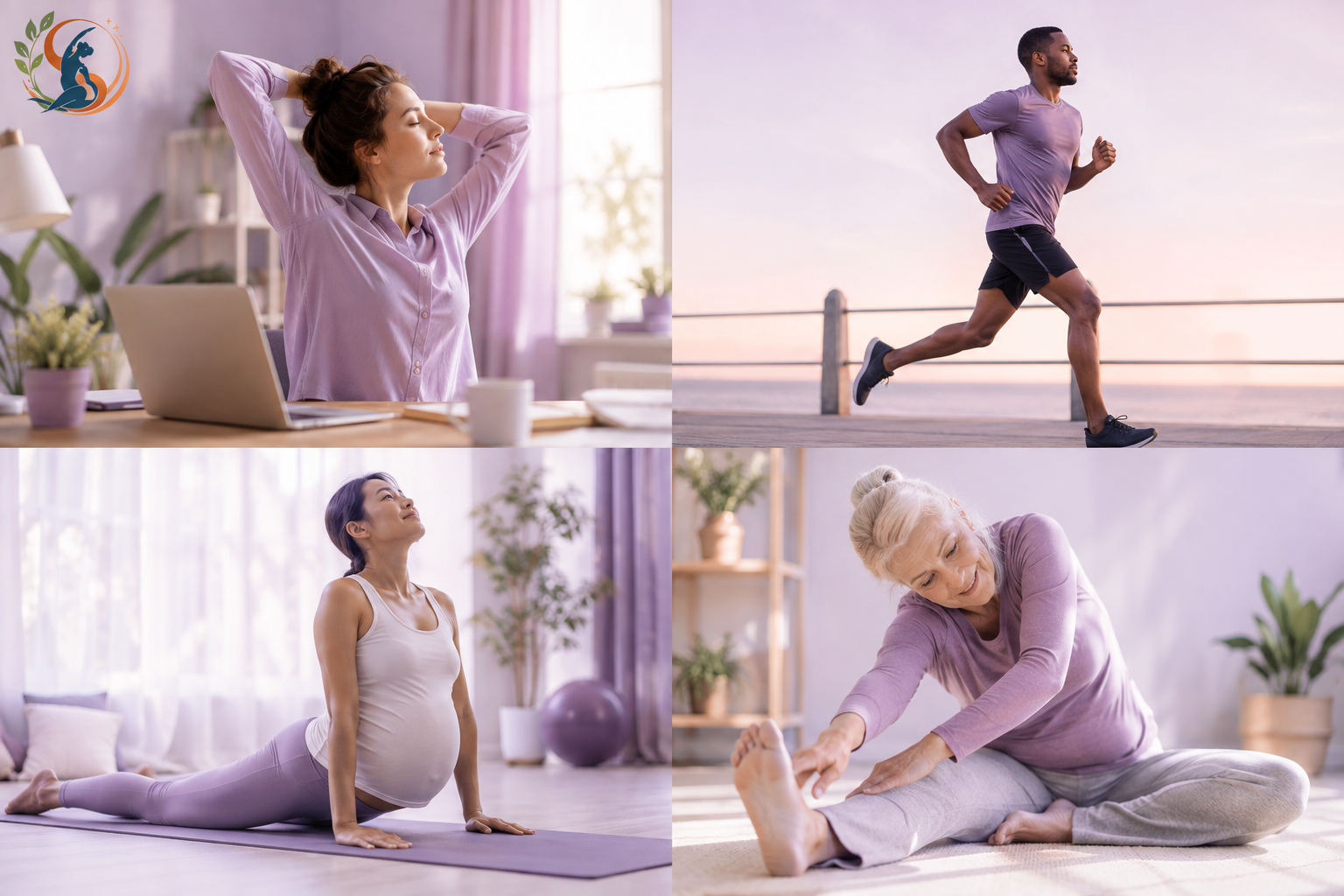
Camel pose isn't some VIP-only club for advanced yogis, even though it looks that intimidating from across the studio. Here's who actually tends to benefit from working yoga pose camel into a regular practice, based on the range of people I've watched grow into this pose over the years:
People stuck at a desk most of the day, carrying tension across their upper back and chest
Anyone slowly working on deepening backbends without diving straight into more intense poses
Practitioners looking for some kind of emotional release valve during a genuinely stressful stretch of life
Runners or cyclists whose hip flexors are perpetually tight from all that repetitive forward motion
Yoga teachers and students wanting a solid foundational backbend to build toward tougher poses later
For another hip and flexibility focused pose with its own honest first-person account, see bound angle pose.
How to Do Camel Pose Step by Step
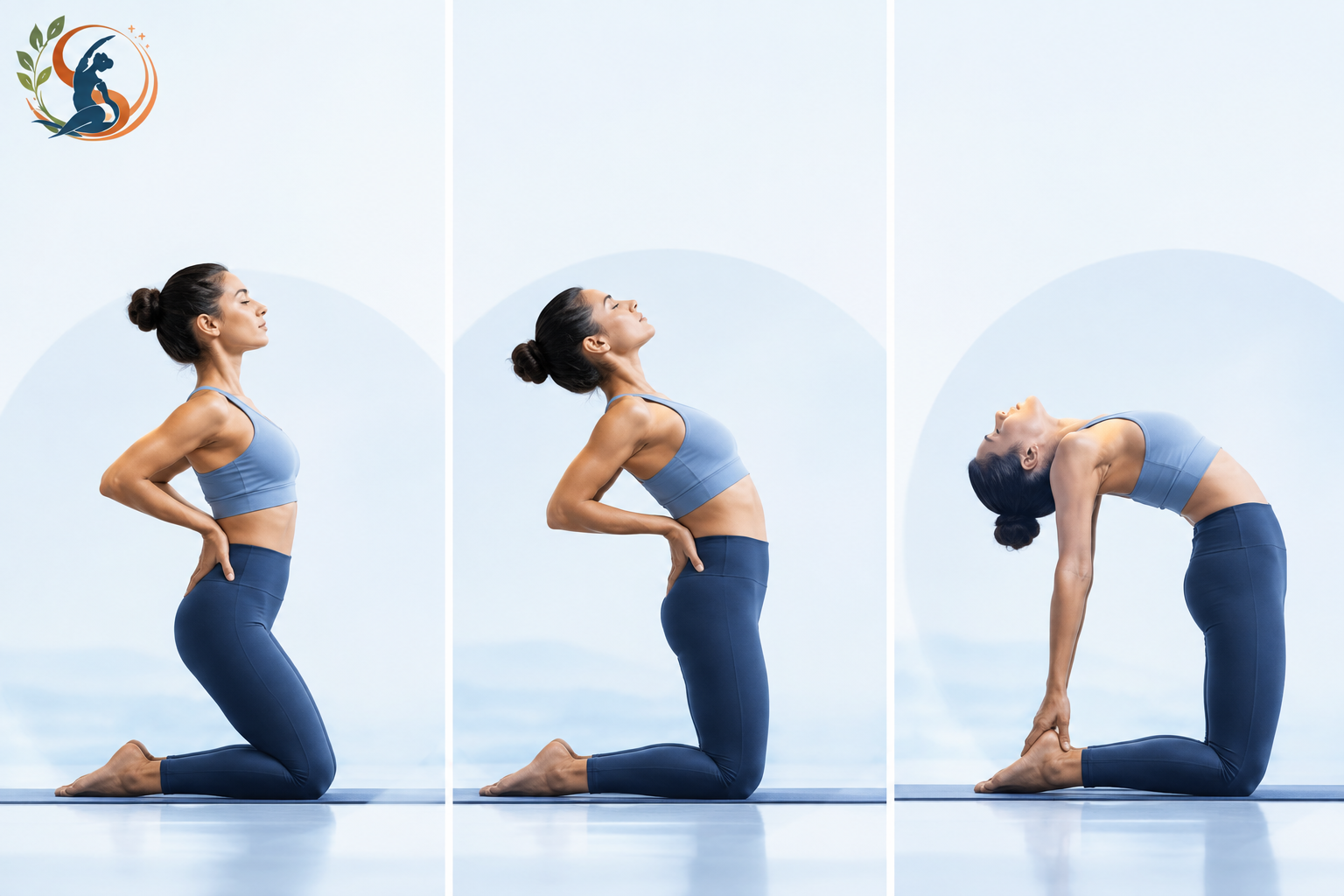
Getting into camel pose safely matters way more than getting into it deeply. Learned that one the hard way, pushed too far back too soon, ended up with a strained lower back that took weeks to actually calm down. Slow and controlled wins over dramatic and rushed, every single time, no matter how good the deep version looks on the person next to you.
Start kneeling, hips stacked directly over your knees, toes tucked or flat, whichever feels right. Hands on your lower back for support, elbows drawing in toward each other, then start lifting your chest up and back instead of just collapsing down into your lower spine. Only reach for your heels once your chest is actually leading the movement, not before that. Give yourself permission to stay in the supported version for weeks, honestly months, before you ever reach back. Nobody's timing you. This pose rewards patience way more than it rewards speed.
Common Alignment Cues to Remember
Keep your hips pushed forward, stacked right over your knees, the whole way through
Lead with your chest lifting, not your head dropping back first
Gently engage your thighs and glutes to protect your lower back from overextending
Let your neck stay relaxed, head falling back naturally, never forced into it
Breathe steadily, don't hold your breath through the intensity, it just tightens everything up
Variations of Camel Pose
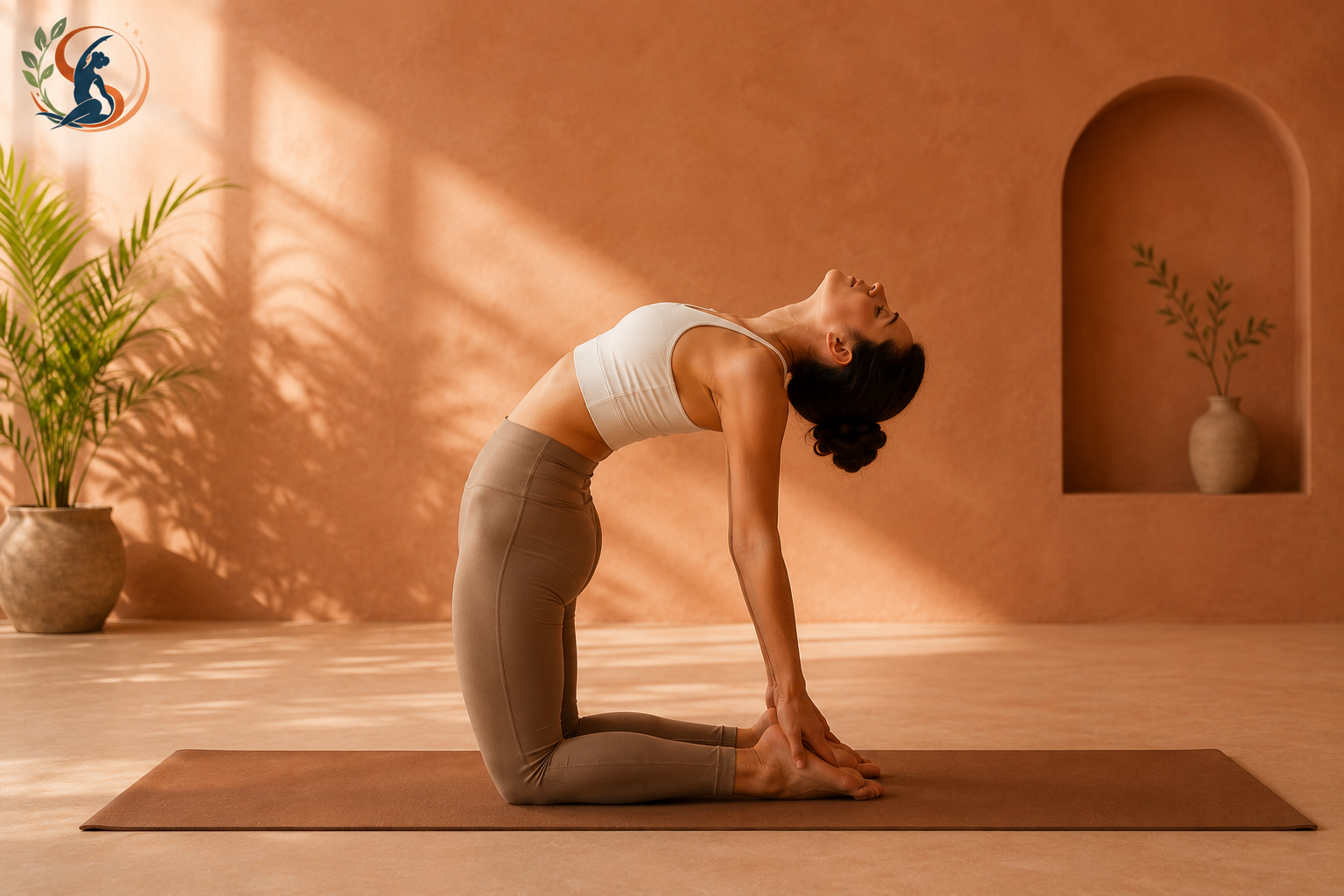
Not every body's ready for the full expression on day one and honestly, most bodies never even need to be. Variations aren't a lesser version of yoga pose camel, they're just the smarter entry point.
Half Camel
One hand stays on your lower back for support, the other reaches back toward a heel, switching sides if you want. This version builds real strength and confidence without asking your whole spine to commit all at once.
Camel Pose with Blocks
Set yoga blocks beside your heels and suddenly your hands have somewhere closer to land, which cuts down lower back strain a lot. Teachers love this one for students still building toward the full pose.
Camel Pose with Toes Tucked
Tucking your toes under lifts the heels slightly, making them easier to reach if you've got a shorter torso or tighter hips. Small tweak, surprisingly big difference in how doable the full pose suddenly feels.
Benefits of Practicing Camel Pose Regularly
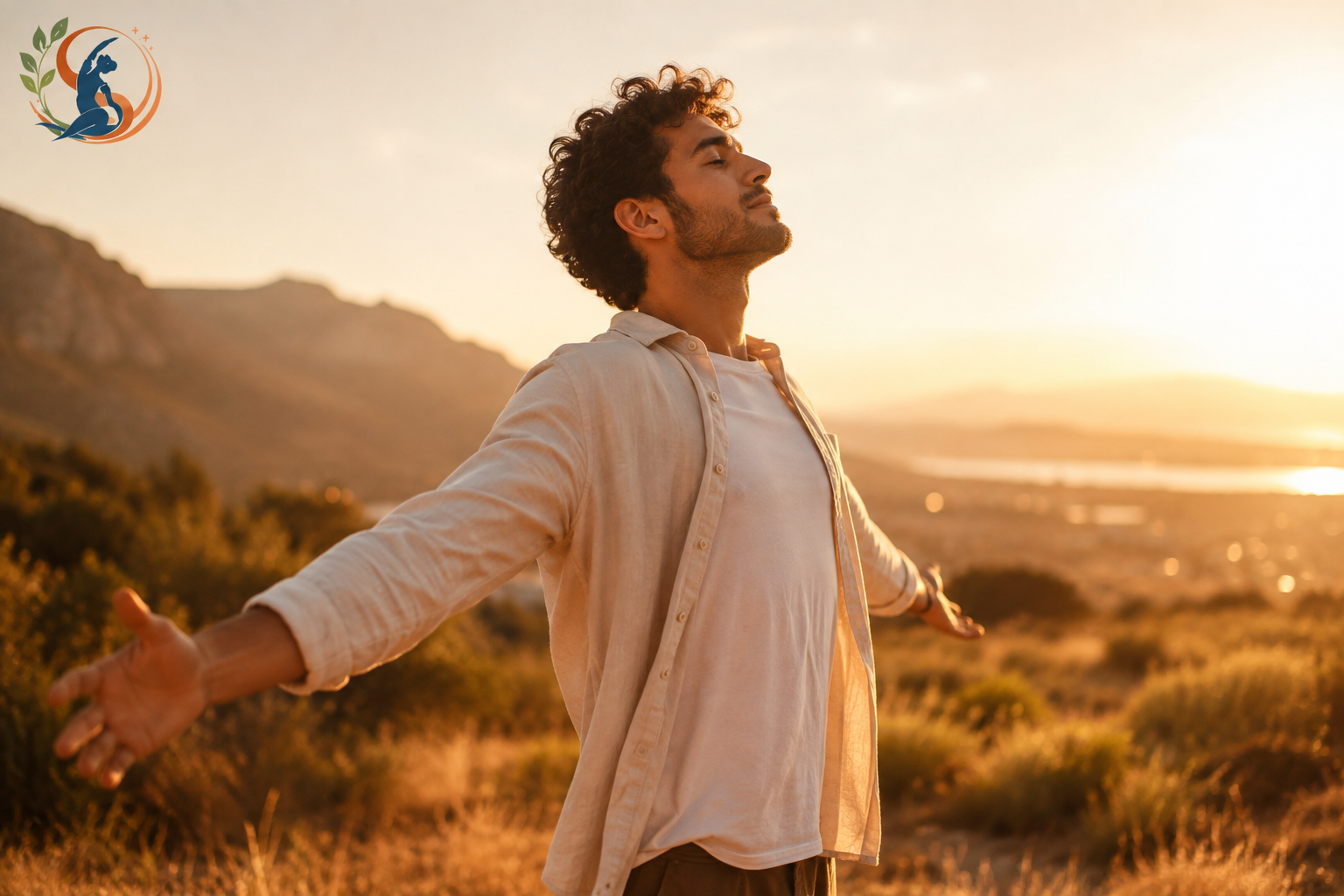
Past the obvious stretch, people who keep yoga pose camel in their rotation tend to notice a handful of things shift over time, pretty consistently:
Noticeably better posture, especially if you're sitting most of the day like most of us are
More lung capacity, easier and deeper breathing both during practice and just walking around
Less tension sitting in the chest and shoulders, the stuff that quietly builds up from stress
Stronger hip flexors and thighs from holding that kneeling position over and over
An actual emotional release valve if you're the type who carries stress in your chest
Mistakes and Precautions in Camel Pose
Yoga pose camels are forgiving in some ways and not at all forgiving in others and knowing which is which matters. Your lower back takes the brunt of bad alignment and if you've got existing back or neck issues, this pose needs real caution, not bravado.
Rushing into the deepest version before your body's ready is probably the single biggest mistake and it's the one that causes the most injuries, hands down, no matter how eager you are to get to the "full" pose everyone posts online. Slow, supported progress beats forcing a deep backbend before your hip flexors and spine are actually prepared for it, every time.
Common Mistakes to Avoid
Collapsing into your lower back instead of lifting through the chest first
Dropping your head back too early and straining your neck for no reason
Letting your hips drift backward instead of staying stacked right over your knees
Holding your breath through the intensity instead of just breathing steadily through it
Skipping the warm-up poses that get your hip flexors and spine actually ready
Is Camel Pose Right for You
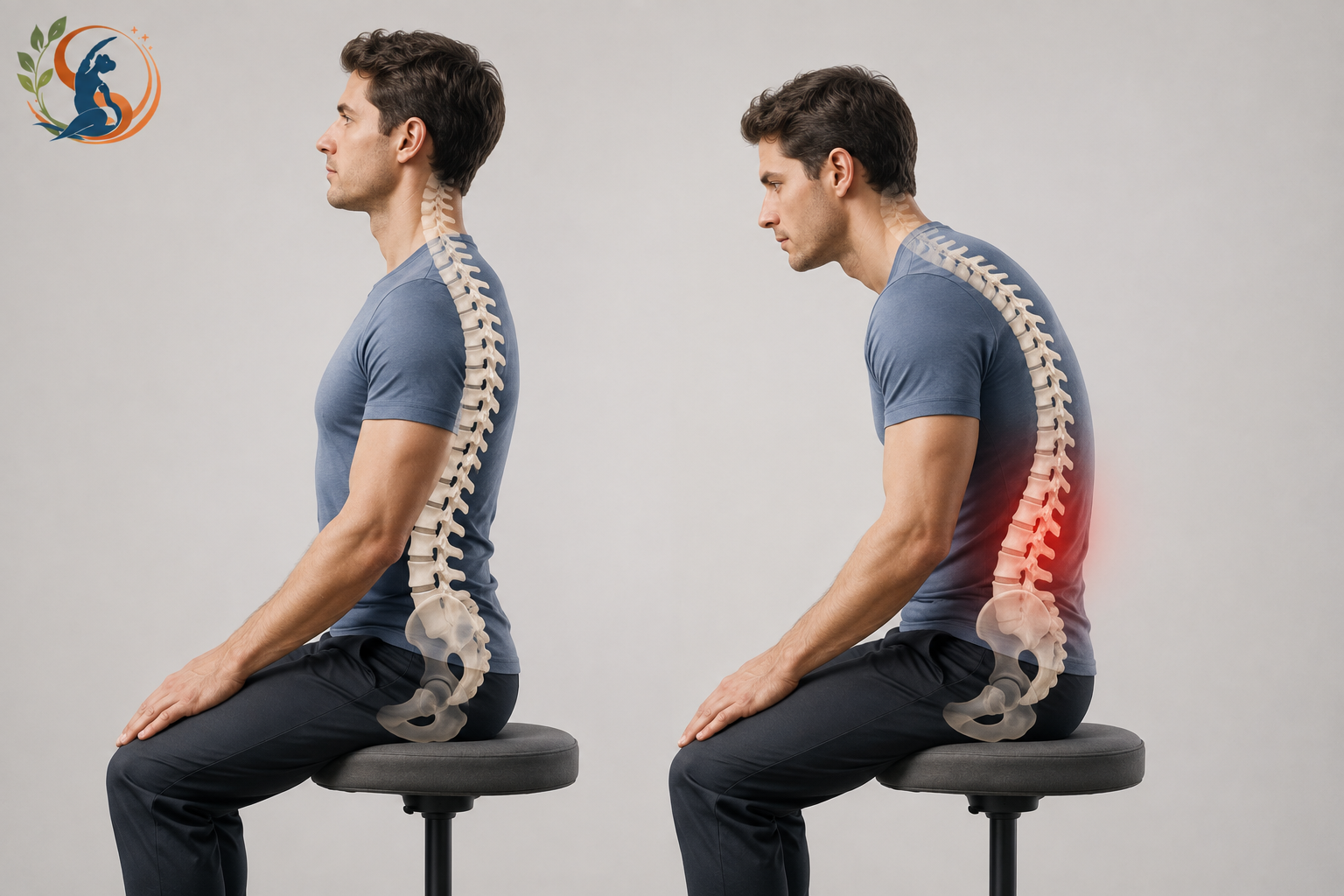
Honestly, most healthy bodies can work toward some version of yoga pose camel safely, even if the full expression takes months, maybe longer, to reach. What matters more than how deep you get is whether your body feels supported and steady the whole way through, not just how far back your hands can stretch.
If you've got existing lower back injuries, real neck issues or you're pregnant, check with a teacher or doctor before folding camel pose into your regular practice. For most people though, it eventually becomes one of those poses you look forward to instead of dreading, the same way it did for me after those shaky, uncertain first weeks.
How Camel Pose Fits Into a Full Yoga Sequence
Camel pose almost never shows up on its own in a well-built class and there's a reason for that. Teachers usually stack it after a run of warming poses that prep the hip flexors and spine, then follow it up with something that gently releases whatever just got opened.
A typical sequence might move through cat-cow, some low lunges, maybe a gentle bridge, before ever getting near yoga pose camel, giving your body an actual chance to warm up instead of getting thrown into an intense backbend cold. After it, a child's pose or a seated forward fold usually shows up, letting the spine settle back down into something neutral.
Skip that structure and jump straight into camel from a cold start and yeah, that's honestly one of the more common ways people end up sore or strained the next day. I learned that one myself after an overly ambitious solo home practice session I probably shouldn't have attempted.
How Often Should You Practice Camel Pose
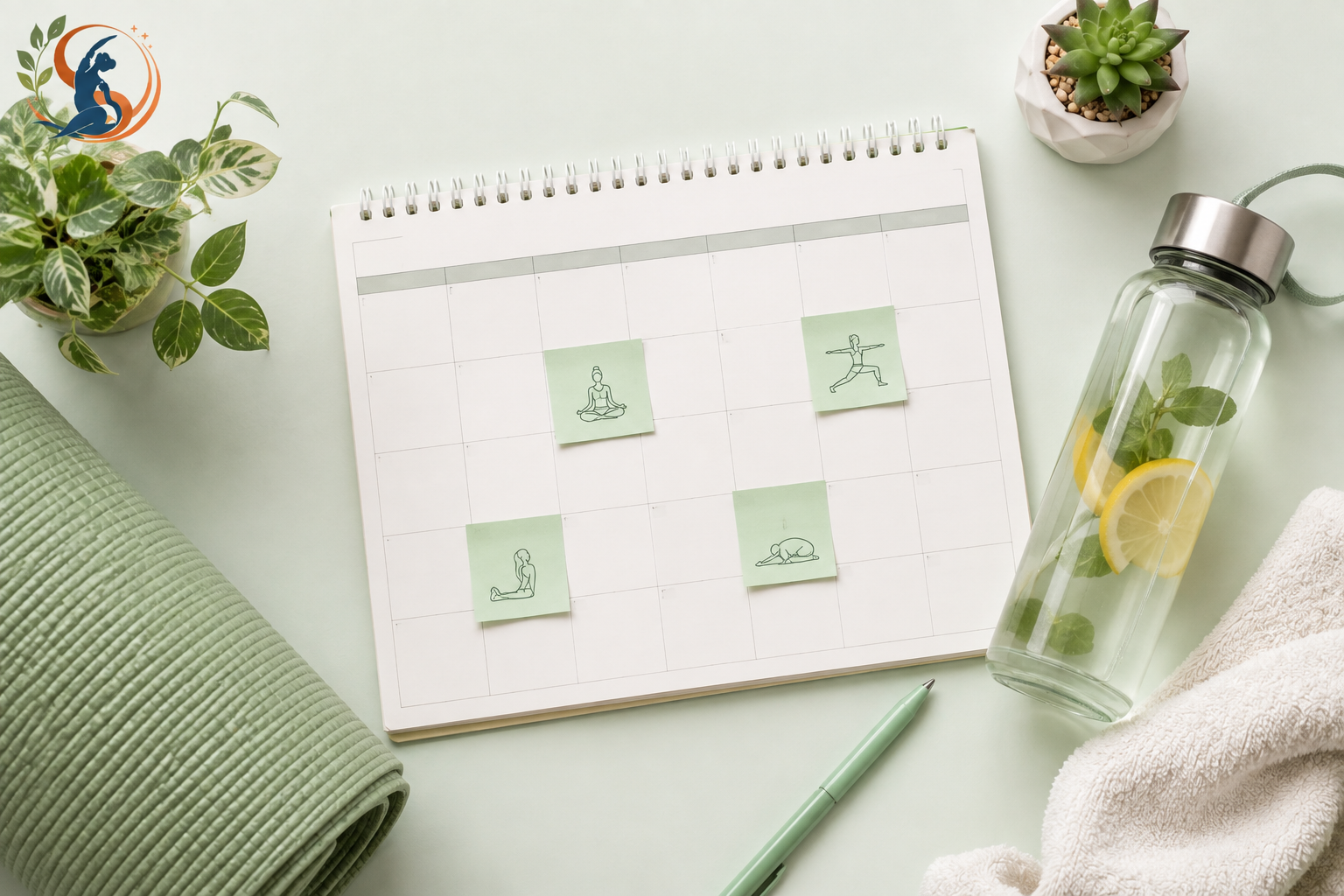
People ask this constantly, expecting some strict number, three times a week, daily, whatever fits neatly into a routine they can screenshot. Truth is it depends way more on how your body's actually responding than any fixed schedule. Some weeks I'm doing yoga pose with a camel almost every day, other weeks my lower back basically asks for a break and I listen instead of pushing through out of stubbornness.
For most people building strength and flexibility gradually, two or three times a week is a reasonable starting point, giving your hip flexors and spine enough time to actually recover between sessions. Pushing it daily, especially early on, tends to backfire, leaving you fatigued in the lower back instead of genuinely progressing. Progress in backbends isn't linear anyway, some days it feels open and easy, other days tight and frustrating for no clear reason and both are completely normal parts of it.
What matters more than frequency is consistency paired with actual rest. A body that gets real recovery between backbend sessions adapts and opens up way more reliably than one that's just getting hammered without a break. Pay attention to how your lower back and hips feel the day after and let that steer your next session more than some rigid schedule you found on a random blog somewhere.
Frequently Asked Questions
1. Is camel pose good for beginners?
Yes, with modifications like keeping a hand on your lower back or using blocks. Beginners should focus on lifting the chest first, not reaching for the heels right away, building strength and confidence gradually before trying the full expression.
2. Why do I feel emotional during camel pose?
Deep backbends open up the chest area tied to the heart center and a lot of practitioners report unexpected emotional release there. It's a common, totally normal response linked to stored tension, nothing to be alarmed by mid-practice.
3. Can camel pose hurt my lower back?
It can, if you collapse into the lower spine instead of lifting through the chest first. Proper alignment, hips stacked over knees, thighs gently engaged, protects your lower back significantly during this backbend.
4. How long should I hold camel pose?
Most people hold it five to ten breaths, though beginners might start with just a few seconds and that's completely fine. Listen to your own body instead of forcing a number, especially during your first few tries.
5. What muscles does camel pose stretch?
Mainly your hip flexors, chest, abdominal muscles and the front of your thighs. At the same time it's strengthening the muscles along your spine and glutes that hold that kneeling backbend position up.
6. Is camel pose safe during pregnancy?
Generally it's recommended to skip deep backbends like camel pose during pregnancy unless a prenatal yoga teacher's guiding you directly. Gentler, modified chest openers are usually the safer route during that time.
Conclusion
Yoga pose camel isn't just another backbend to tick off a list, it's one of those poses that quietly teaches you patience, alignment and every once in a while your own buried emotions. Some days it feels freeing, other days like a lot to ask of your body and both are completely normal, not a sign you're doing it wrong. Take it slow, build the supporting strength first and don't be shocked if it becomes one of your favorite parts of practice.


Comments (0)
No comments yet. Be the first to share your thoughts!
Leave a Comment