
I avoided yoga bound angle pose for almost a year because my hips felt like concrete blocks. Every attempt left me frustrated, knees floating awkwardly toward the ceiling. Finally committed to daily practice and honestly, the transformation surprised me more than I expected.
If yoga bound angle pose makes you want to skip that part of class entirely, trust me, I get it completely. My hips fought me for months before anything started shifting. Here's what actually happened when I stopped avoiding it.
This pose humbled me repeatedly. Some days I still can't sit comfortably in it and honestly, that's become totally okay with me now.
Why I Used To Dread This Pose Completely
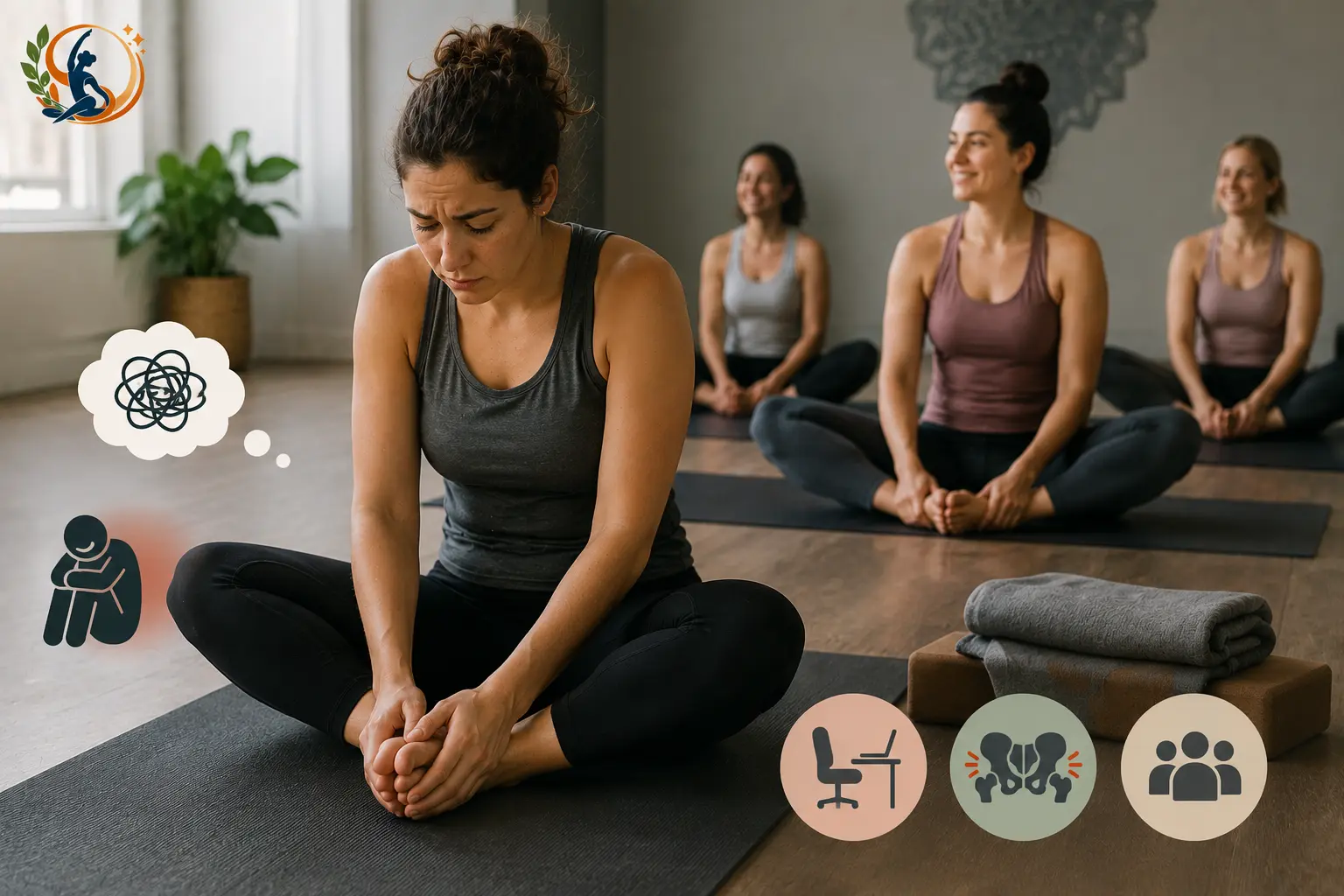
Every yoga class, same story. The teacher says "let's move into a bound angle pose" and my stomach would just drop a little. My knees refused to lower anywhere close to the mat, hips locked up tight like rusted hinges nobody bothered oiling. I felt embarrassed comparing myself to people whose knees practically touched the ground effortlessly beside me.
Honestly, I avoided classes sometimes just to skip that particular sequence entirely. Yoga bound angle pose became this symbol of everything I felt inadequate about physically. Tight hips, poor flexibility, years of desk sitting finally catching up with my body in the worst possible way during group practice sessions surrounded by seemingly flexible strangers.
What Actually Happens In This Pose Anatomically
Sitting with soles of feet pressed together, knees falling open to sides, that's the basic shape of yoga bound angle pose. Sounds simple enough describing it, but the deep hip opening required challenges way more than beginners initially expect walking into their first attempts at this deceptively demanding position. Tight hip flexors specifically are covered in more depth in this psoas stretch guide, which explains why the hips resist opening in the first place.
Your inner thighs, hip flexors and groin muscles all get stretched simultaneously, which explains why so many people struggle initially. Years of sitting, running or generally tight-hipped lifestyles make this pose way harder than it looks from the outside. Understanding the anatomy helped me stop judging myself so harshly during early practice attempts.
The Physical Struggle That Nearly Made Me Quit
My Knees Wouldn't Budge For Months
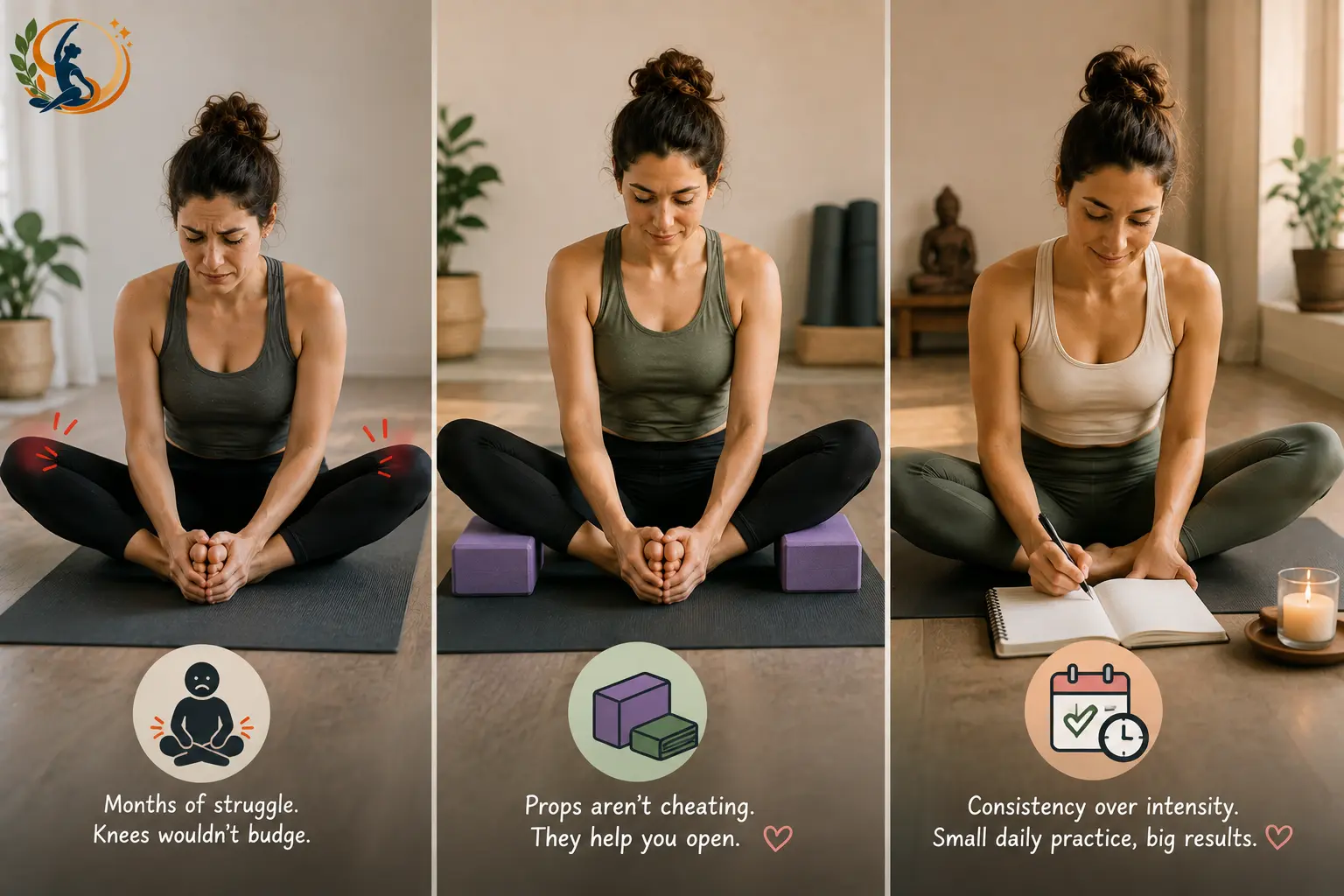
Seriously, months of consistent practice before I noticed any real difference in yoga bound angle pose. Knees stayed stubbornly elevated, hip flexors screaming with tightness every single attempt. I wanted to quit multiple times, convinced my body just wasn't built for this particular shape or flexibility level honestly.
Props Became My Unexpected Best Friends
Blocks under my knees changed everything eventually, though admitting I needed support felt weirdly humbling initially. Using props for yoga bound angle poses isn't cheating, despite what my ego initially believed. Support allows proper alignment while your body gradually opens instead of forcing dangerous compensation patterns elsewhere.
Consistency Mattered More Than Intensity Ever Did
Practicing five minutes daily beats occasional hour-long sessions completely for actual hip opening progress. Yoga bound angle pose responds to gentle, consistent stretching way better than aggressive occasional attempts that risk injury. Patience became the actual lesson here, not forcing flexibility through sheer stubborn willpower alone.
The Emotional Journey Nobody Talks About
Comparing Myself Constantly Made Everything Worse
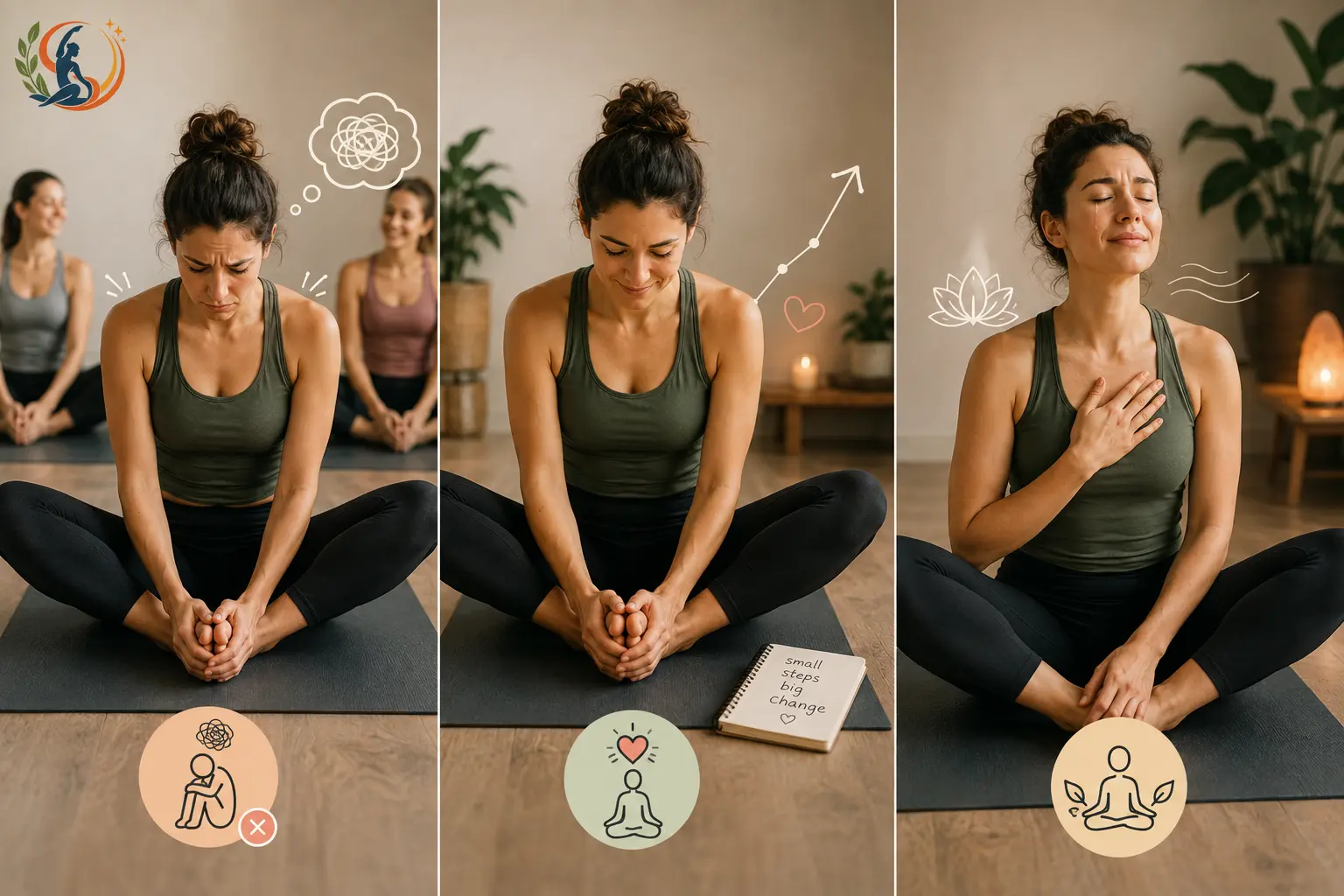
Watching flexible classmates effortlessly fold into yoga bound angle poses while I struggled created genuine shame initially. Comparison stole joy from my practice completely, turning something meant to be healing into another arena for self-criticism and inadequacy feelings I already carried around constantly elsewhere.
Learning To Celebrate Tiny Improvements
Eventually I started noticing millimeter improvements instead of expecting dramatic overnight transformation. Yoga bound angle pose taught me patience I desperately needed in other life areas too. Celebrating small wins, even barely noticeable hip openings, shifted my entire relationship with practice and personal expectations generally.
My Hips Held Actual Stored Tension
Something released emotionally during deeper practice sessions, tears sometimes appearing unexpectedly mid-pose. Turns out hips store emotional tension physically and yoga bound angle pose accesses that stored stuff whether you're prepared or not. Strange, humbling, ultimately healing experience I never anticipated when starting this whole journey.
How My Practice Actually Evolved Over Time
Six months into consistent practice, something finally shifted noticeably. My knees started lowering slightly, hip flexors feeling less like concrete and more like actual muscle tissue capable of stretching. Yoga bound angle pose stopped feeling like punishment and started feeling like genuine progress worth celebrating regularly during practice.
The mental shift mattered as much as physical changes honestly. I stopped forcing depth, started listening to what my body actually needed each session. Some days deeper stretching felt available, other days just maintaining basic position felt like enough. That flexibility in approach, ironically, helped physical flexibility develop naturally over time.
Common Mistakes I Made Starting Out
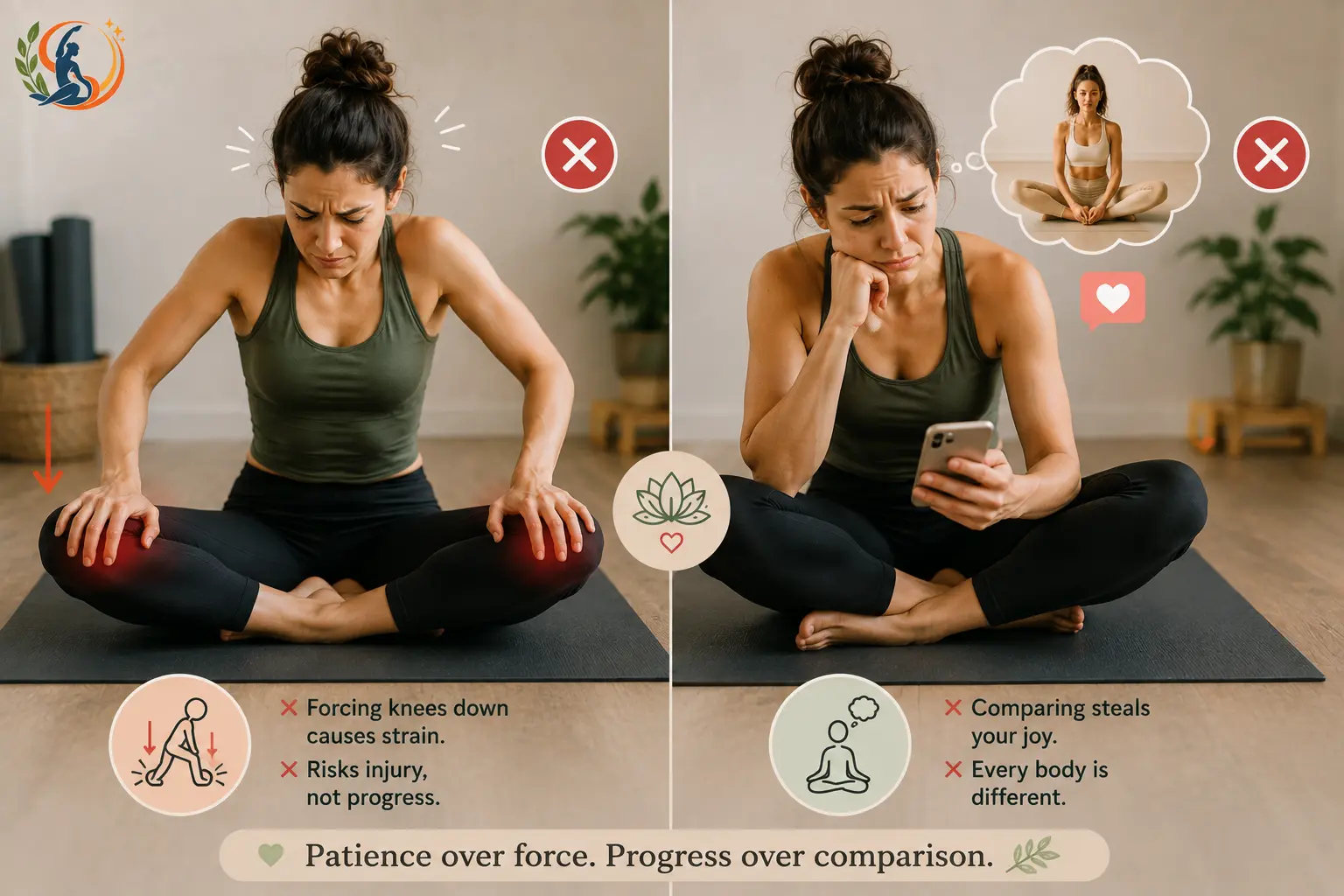
Forcing my knees down using hands felt like the obvious solution initially, a completely wrong approach though. Yoga bound angle pose requires patience, not force and pushing knees down manually risks actual hip or knee injury rather than genuine progress. Learned this lesson painfully after minor discomfort following overly aggressive attempts.
Comparing my flexibility to Instagram yogis destroyed my motivation repeatedly during early practice months. Those perfectly curated photos rarely show years of practice, genetic flexibility advantages or careful photo angles hiding actual struggle. Yoga bound angle pose looks different on every single body and that's completely normal, not failure.
Modifications That Actually Helped My Practice
Placing blocks under both knees provided crucial support during early attempts at yoga bound angle pose consistently
Sitting on a folded blanket elevated my hips, making the pose immediately more accessible and comfortable overall
Practicing against a wall for back support helped maintain proper spinal alignment throughout longer holds regularly
Using a strap around feet and lower back created gentle traction without forcing dangerous compensation patterns anywhere
Starting with reclined bound angle pose before attempting seated versions built foundational flexibility more gradually initially
Benefits I Genuinely Noticed After Months Of Practice
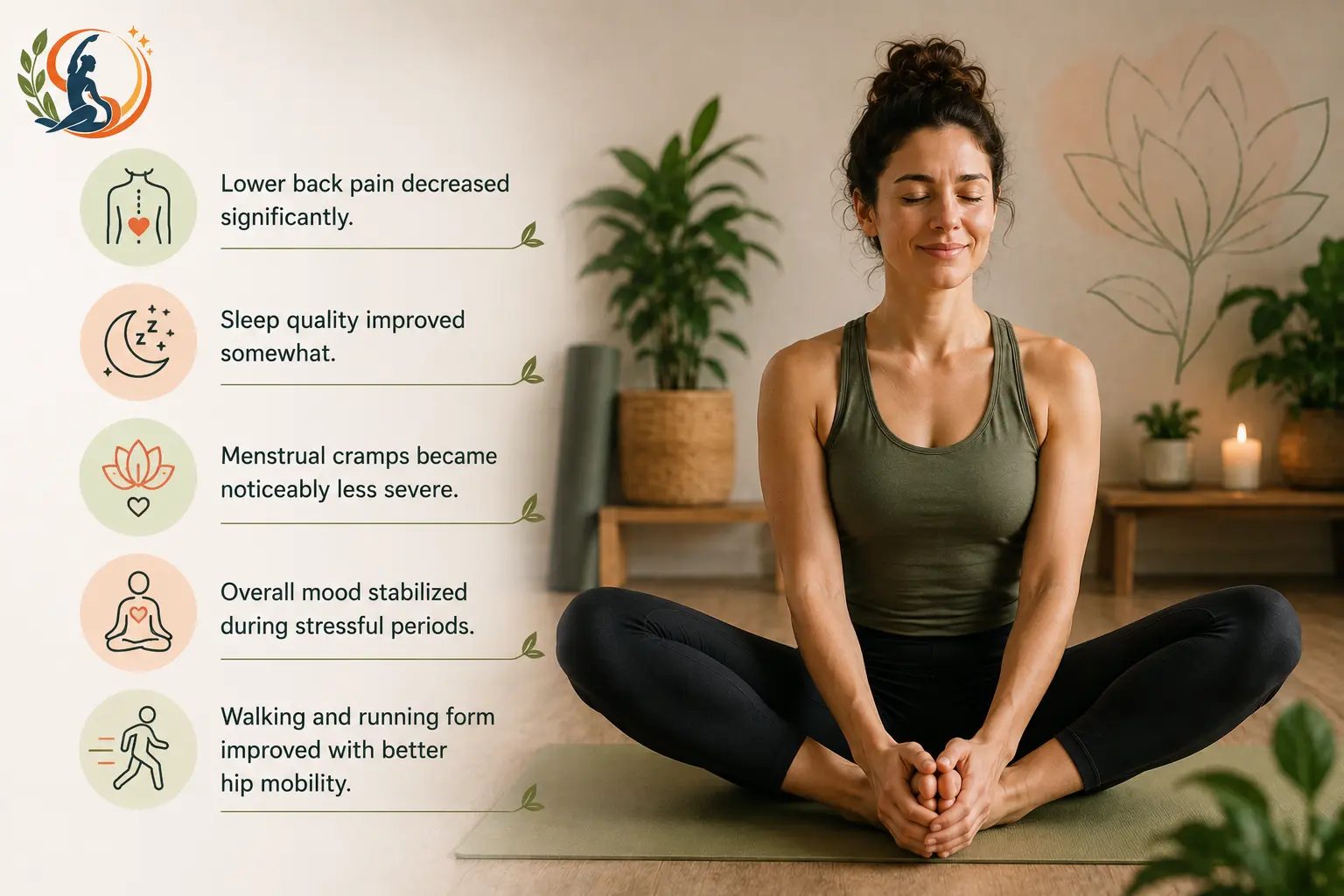
Lower back pain decreased significantly once hip flexibility improved through consistent yoga bound angle pose practice
Sleep quality improved somewhat, possibly connected to releasing physical tension stored throughout hip areas generally
Menstrual cramps became noticeably less severe after establishing regular practice routine focusing specifically on hip opening
Overall mood stabilized during stressful periods, hip opening poses seemingly connected to emotional regulation somehow
Walking and running form improved as hip mobility increased beyond just yoga practice into daily movement patterns
Where My Practice Stands Right Now Honestly
I'm still not one of those effortlessly flexible people whose knees touch the ground instantly. Yoga bound angle pose remains challenging some days, especially after sitting at my desk all day or during particularly stressful weeks when tension accumulates throughout my entire body without me even noticing initially.
But something fundamental shifted in how I relate to this pose and my body generally. Progress isn't linear, some days feel easier than others completely randomly. I've made peace with that inconsistency instead of judging myself harshly for temporary setbacks or plateaus during this ongoing physical and emotional journey.
Why This Pose Taught Me More Than Flexibility
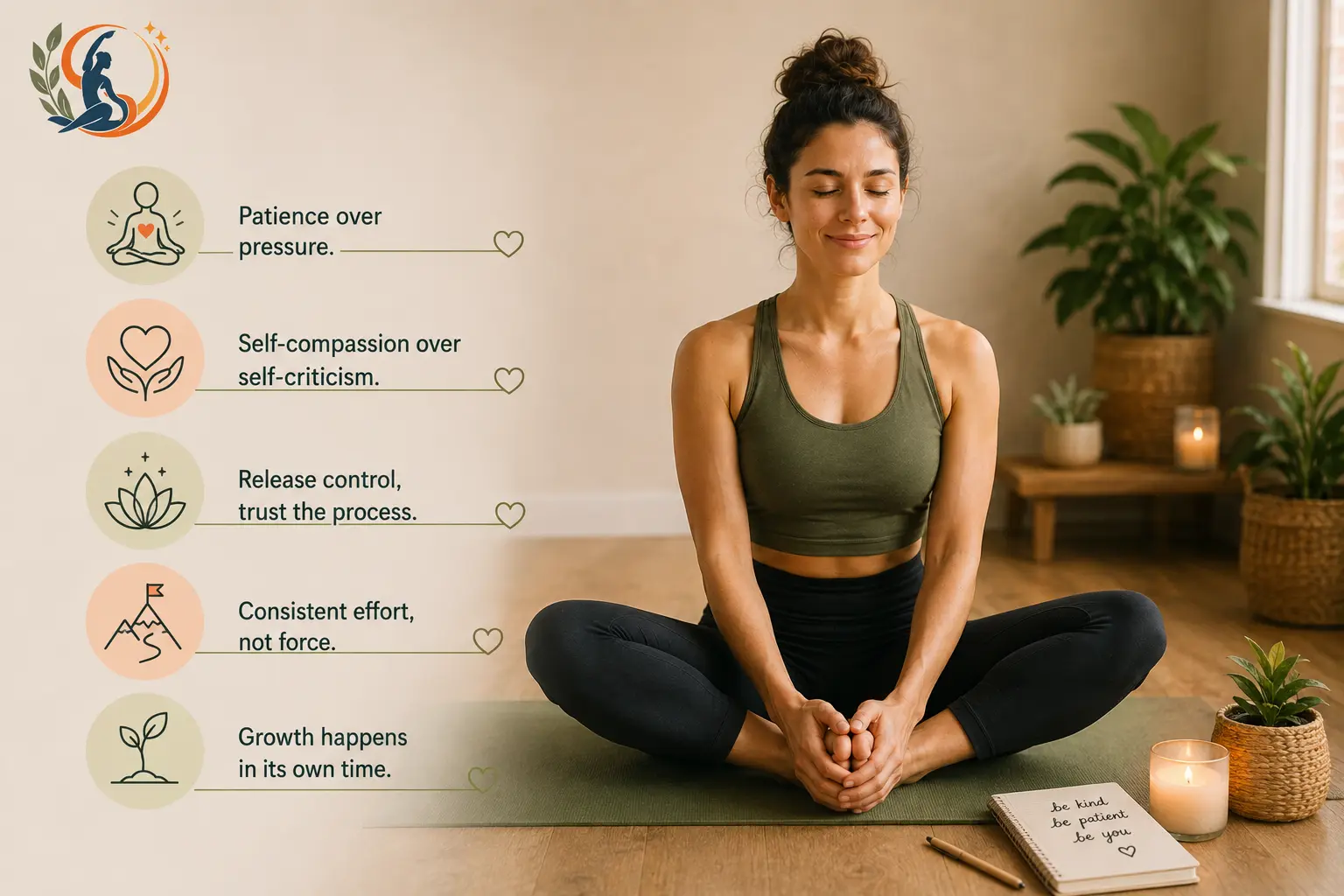
Beyond physical benefits, yoga bound angle pose became this weird teacher about patience, self-compassion and releasing control generally. You literally cannot force hip opening through willpower alone, your body opens when it's ready, not when your ego demands immediate results matching someone else's timeline or genetics.
That lesson translated into other life areas surprisingly. Relationships, career goals, personal growth generally forcing outcomes rarely works as well as patient, consistent effort combined with genuine self-compassion. This simple seated pose somehow became a metaphor for approaching challenges throughout my entire life differently, more gently, more realistically. Readers looking for a different kind of challenging pose might also want the honest version of what camel pose actually feels like.
Summary
Yoga bound angle pose challenged me physically and emotionally for months before genuine progress appeared. Props, consistency and self-compassion mattered more than forcing flexibility through willpower. Beyond physical hip opening, this pose taught patience and releasing comparison, transforming how I approach challenges throughout life generally, not just during yoga practice sessions.
Frequently Asked Questions
1. How long does it typically take to improve flexibility in yoga bound angle pose?
Varies significantly person to person, but expect several months minimum for noticeable improvement with consistent practice. Genetics, existing hip tightness and practice frequency all influence the timeline. Patience matters more than forcing results, since gentle consistent stretching produces safer, more sustainable flexibility gains overall.
2. Is it normal for knees to stay elevated during yoga bound angle pose?
Completely normal, especially for beginners or people with naturally tighter hips from sitting or specific activities. Elevated knees don't indicate failure, just current flexibility level. Using props like blocks provides support while your body gradually opens through consistent, patient practice over weeks and months.
3. Can yoga bound angle pose help with lower back pain specifically?
Often yes, since tight hips frequently contribute to lower back compensation and pain. Opening hip flexors and inner thighs through consistent practice can reduce strain on lower back muscles significantly. However, consult healthcare providers if experiencing severe or persistent back pain before starting new stretching routines.
4. Should I force my knees down during the bound angle pose for faster results?
Absolutely not, this risks injury to knees, hips or surrounding connective tissue. Yoga bound angle pose requires patience and gradual opening, never forceful manipulation. Let gravity and gentle breathing do the work naturally instead of using hands or external pressure to force unsafe, premature depth.
5. What modifications help beginners struggling with bound angle pose comfort?
Blocks under knees, sitting on folded blankets, practicing against walls or using straps around feet all provide helpful support. These modifications aren't cheating, they're smart adaptations allowing proper alignment while your body gradually develops necessary flexibility through consistent, supported practice over time.
6. Why do some people experience emotional release during bound angle pose practice?
Hips store physical tension connected to stress, trauma and daily emotional experiences according to many yoga traditions and practitioners. Deep hip opening poses sometimes trigger unexpected emotional release, including tears or unexpected memories surfacing. This response is normal, though it can feel surprising or uncomfortable initially.
Conclusion
Look, yoga bound angle pose taught me way more than physical flexibility ever could alone. It showed me how comparison steals joy, how forcing outcomes usually backfires and how genuine progress requires patience most of us struggle finding in our rushed, achievement obsessed culture generally. My knees still don't touch the ground consistently and honestly, I've stopped caring about that specific outcome. What matters now is showing up, listening to my body and trusting that opening happens gradually, exactly when it's supposed to happen naturally.


Comments (0)
No comments yet. Be the first to share your thoughts!
Leave a Comment