
I trained chest with nothing but a barbell bench for years before I ever picked up a pair of dumbbells for real. Honestly? I regret waiting that long. Switching over showed me weak spots in my chest I didn't even know existed, mostly because dumbbells force each side of your body to work independently instead of letting your stronger side quietly carry the weaker one. That one change fixed an imbalance I'd been dragging around for way longer than I'd like to admit and I wish someone had told me sooner honestly.
This guide covers the best chest exercises with dumbbells, along with solid bodyweight options for days when you don't have equipment handy at all. Whether you're at a gym, training at home or just trying to figure out what works without a bench, I've got you covered here.
Let's be honest, chest day gets a lot of hype. And sometimes that hype leads people toward exercises that look impressive but don't actually build much. So let's skip the noise and get into what genuinely works.
Why Train Your Chest With Dumbbells
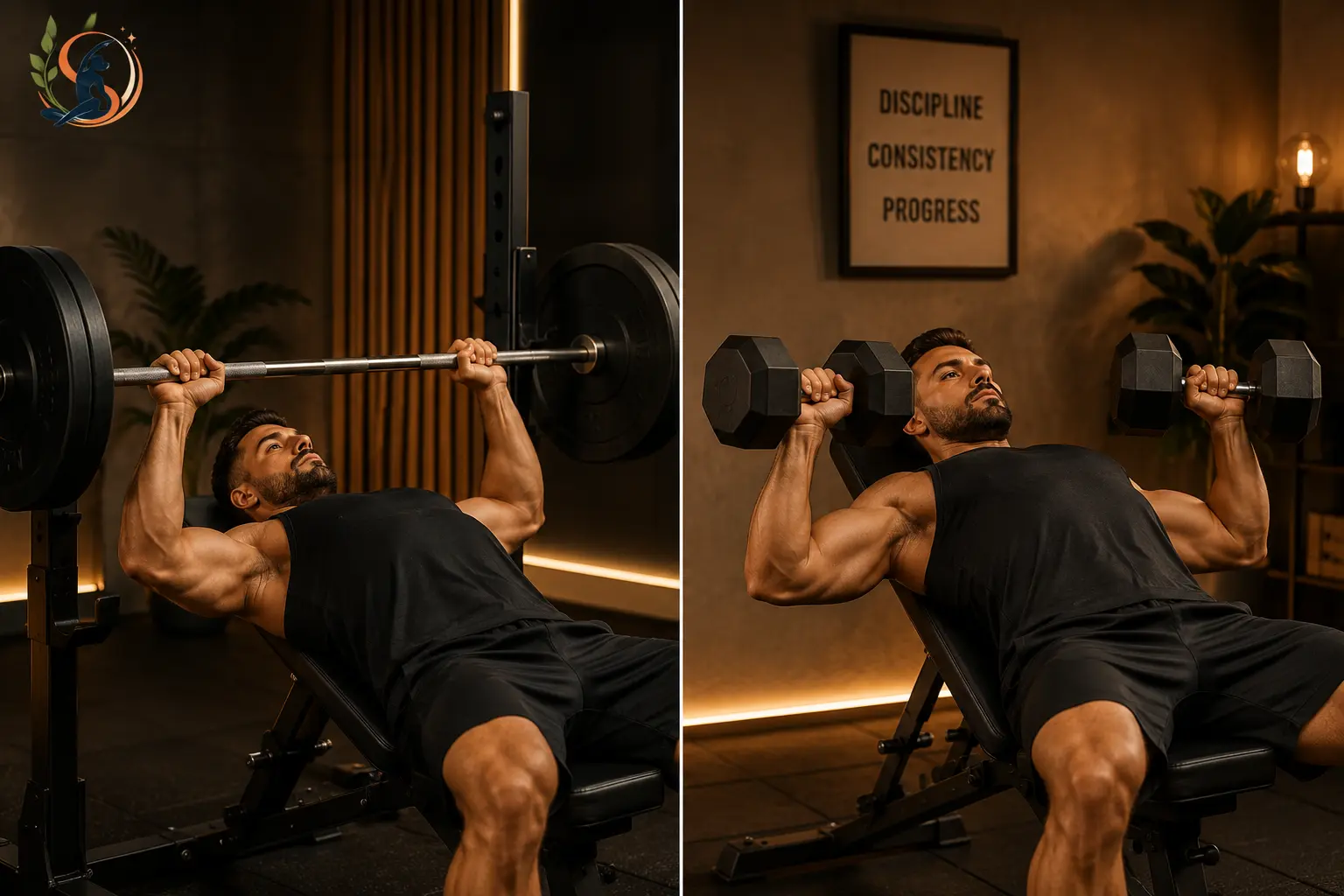
Dumbbells bring something to chest training a barbell simply can't replicate and it comes down to how your muscles are forced to work.
Dumbbell Chest Workout vs Barbell Bench Press
A barbell locks your hands into a fixed position, which lets your dominant side sneak in and do more of the work without you even noticing. A dumbbell chest workout removes that shortcut completely, each arm has to control its own weight through the entire range of motion. This alone makes dumbbell exercises for chest incredibly valuable even if you already have a solid bench press.
Chest Muscle Activation With Free Weights
Free weight chest exercises also allow a much deeper stretch at the bottom of each rep, something barbells physically can't offer since the bar just stops at your chest. That extra range of motion tends to boost chest muscle activation significantly. Research backs this up and honestly I've felt it in my own training for years now too.
Best Chest Exercises With Dumbbells
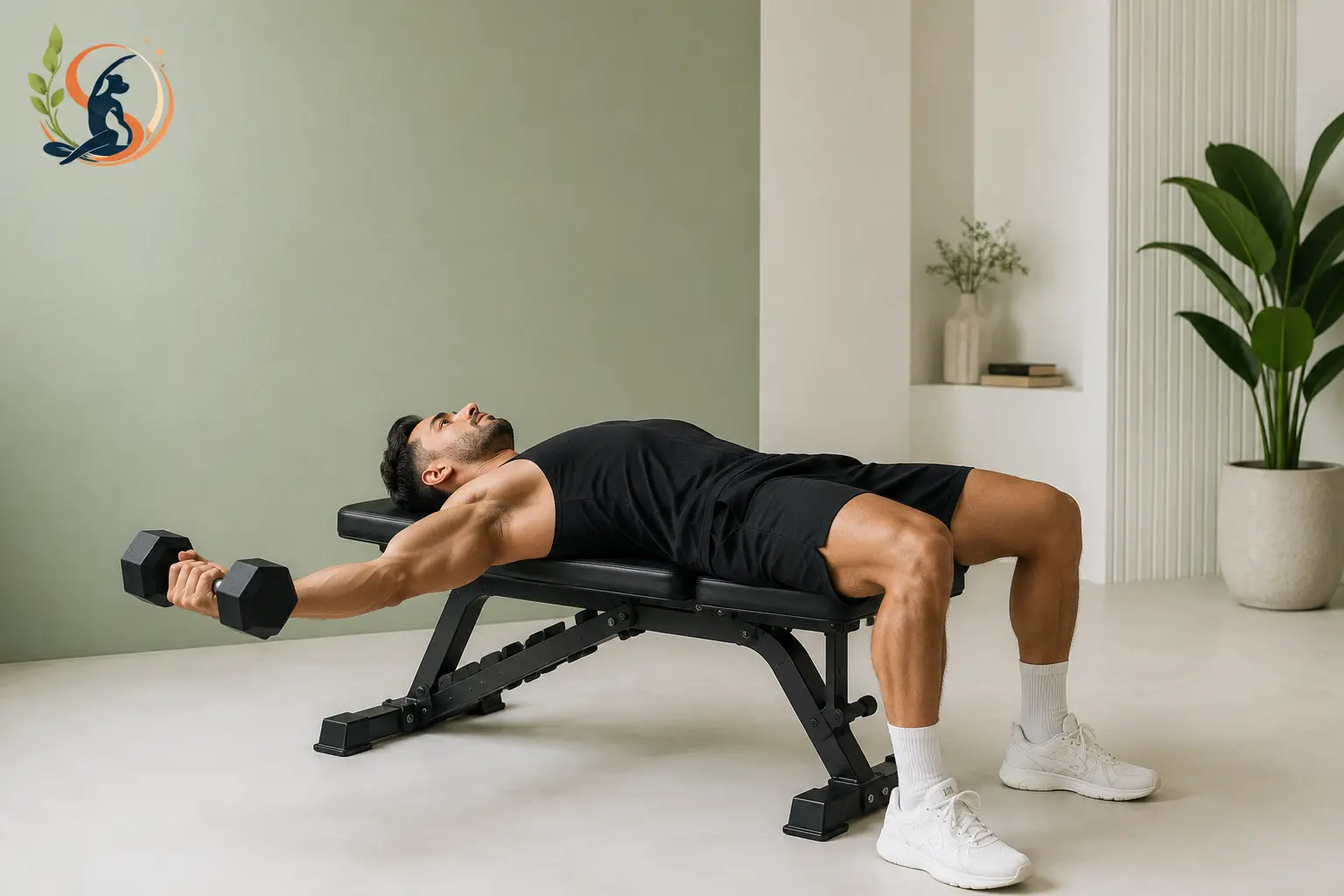
These are the exercises I come back to again and again. The ones that just consistently deliver, no fancy equipment required.
Dumbbell Chest Press
The dumbbell chest press is about as close to a gold standard as chest training gets, in my opinion anyway. Lie flat on a bench, press both dumbbells up and slightly inward at the top, then lower them with control until you feel a solid stretch across your chest. This single move covers most of what a good chest dumbbell exercise needs to accomplish honestly.
Dumbbell Flyes
Dumbbell flyes isolate the chest in a way pressing movements just can't match. Keep a slight bend in your elbows, lower the weights out to your sides like you're hugging a tree then bring them back together over your chest. One of the better pectoral dumbbell exercises for building that mind-muscle connection everyone talks about.
Incline Dumbbell Press for Upper Chest
If your upper chest lags behind and for a lot of people it genuinely does, the incline dumbbell press is non-negotiable. Set your bench to a 30 to 45 degree angle and press upward, focusing on squeezing your upper pecs at the top of each rep. Hands down one of the best dumbbell workouts for chest development up top, no question.
Chest Exercises With Dumbbells Without a Bench
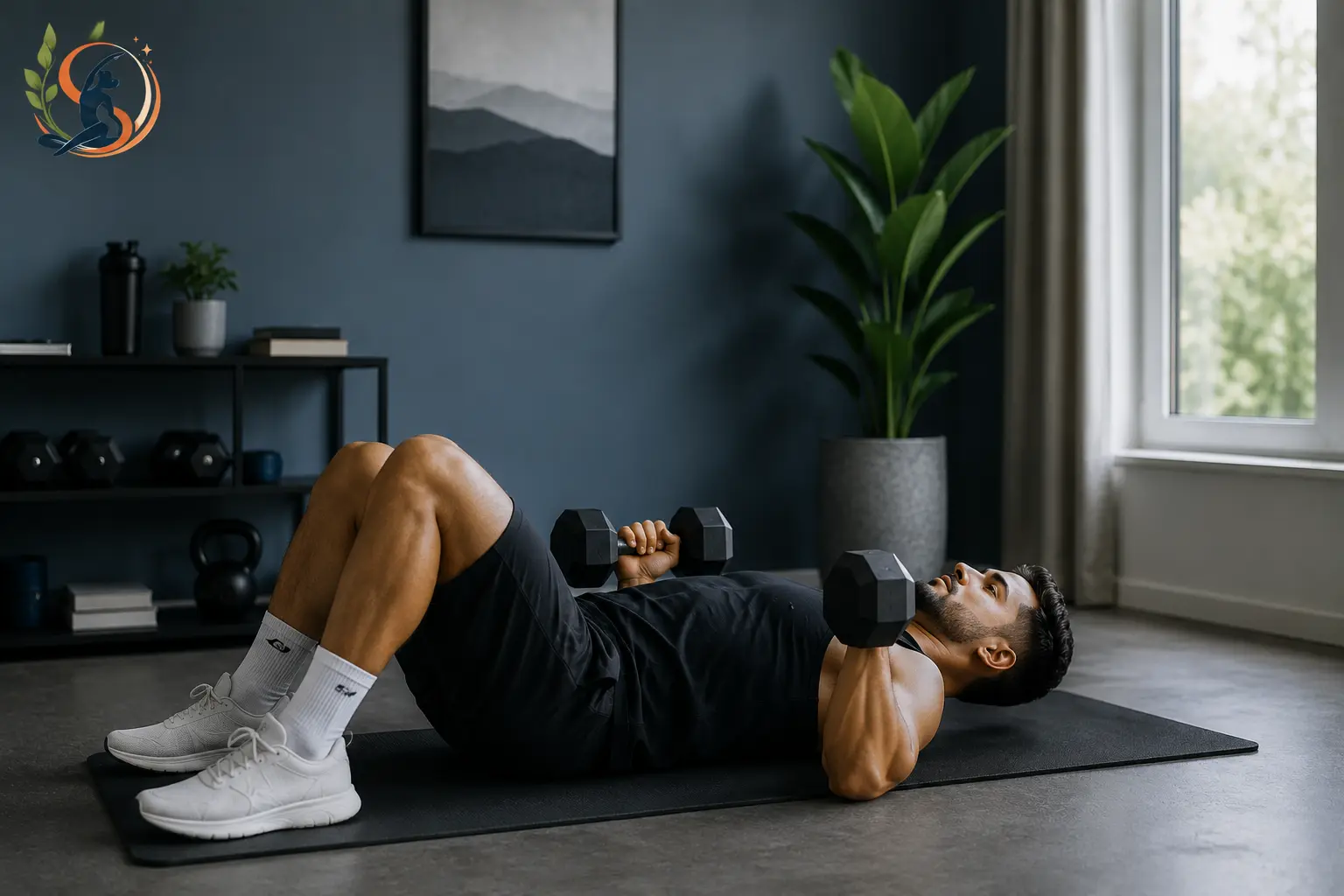
Not everyone has a bench sitting around at home. And honestly? You don't need one to build real chest strength.
Floor Press
The floor press works almost identically to a bench press, just performed lying flat on the ground. Your range of motion shortens slightly since the floor stops your elbows early but it still hits the chest hard. Works great as a chest exercise with dumbbells without a bench, plain and simple.
Standing Dumbbell Press
Standing dumbbell presses angled slightly forward at chest height can also target the pecs, especially when combined with a forward lean that shifts more tension onto the chest rather than the shoulders. Not a perfect substitute for pressing lying down, sure but it's a genuinely useful option when equipment is limited.
One Dumbbell Chest Workout Without Bench
If you only own a single dumbbell don't worry, you can still get a solid session in. Alternate single-arm floor presses, single-arm flyes lying on the ground and slow, controlled push-ups to round things out. A one dumbbell chest workout without bench forces extra core stability too since your body has to resist rotating while you press.
Bodyweight Chest Exercises (No Equipment Needed)
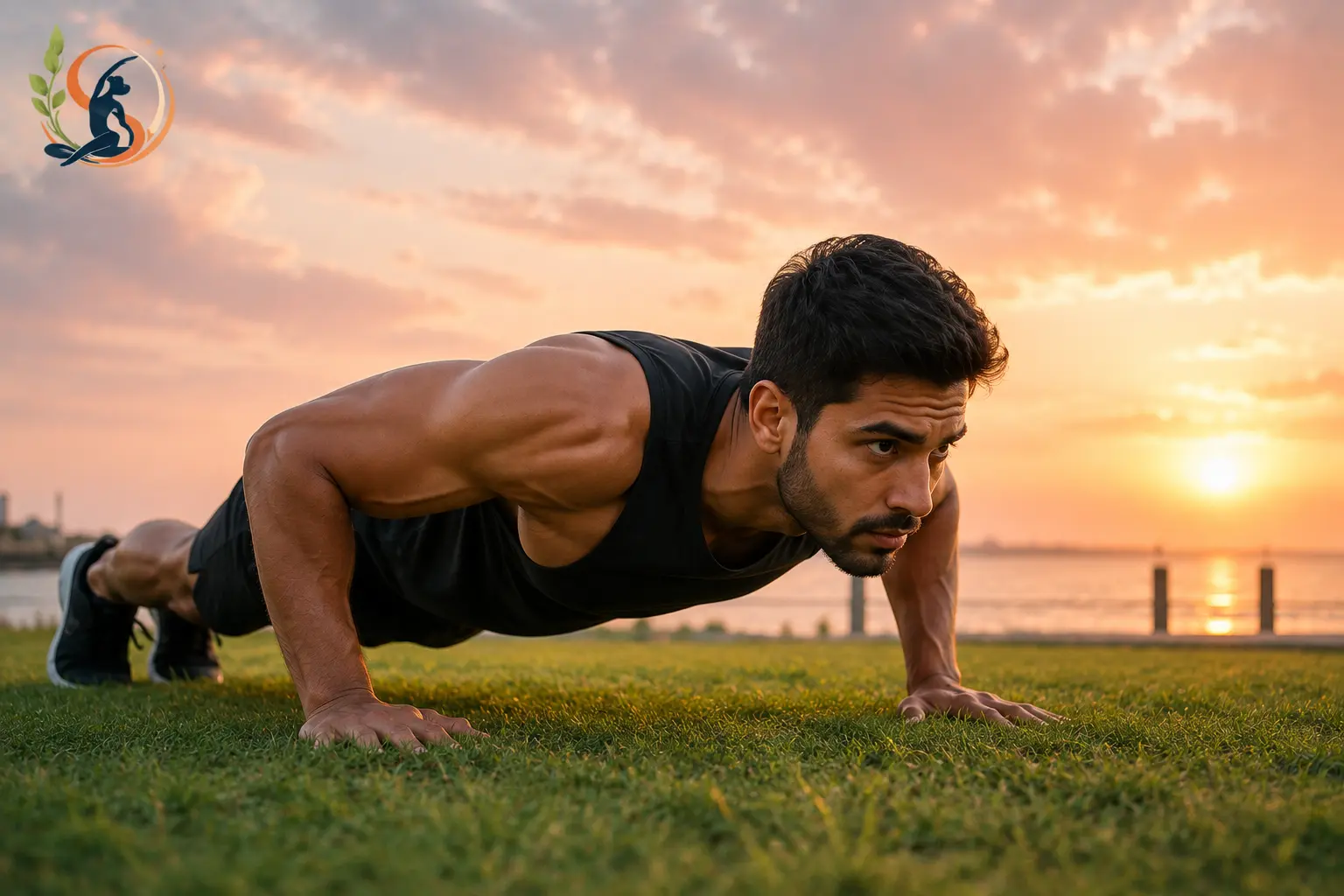
Some days you just don't have dumbbells nearby. That's fine. Bodyweight chest exercises can absolutely still build muscle when done right, more than people give them credit for.
Push-Up Variations for Every Level
Push-up variations exist for basically every fitness level out there. Beginners can start with incline push-ups against a wall or countertop, standard push-ups work for most intermediate lifters and decline push-ups or archer push-ups add serious difficulty for advanced trainees. Rotating through a few variations keeps your chest challenged without needing a single piece of equipment.
Progressive Push-Up Training
Progressive push-up training simply means gradually making the movement harder as you get stronger, instead of doing the same easy version forever. Add a slow three-second lowering phase, elevate your feet or try single-arm assisted push-ups once regular ones start feeling too easy. This kind of progression keeps bodyweight chest exercises effective for months, not just the first few weeks.
Chest Exercises With Dumbbells for Beginners
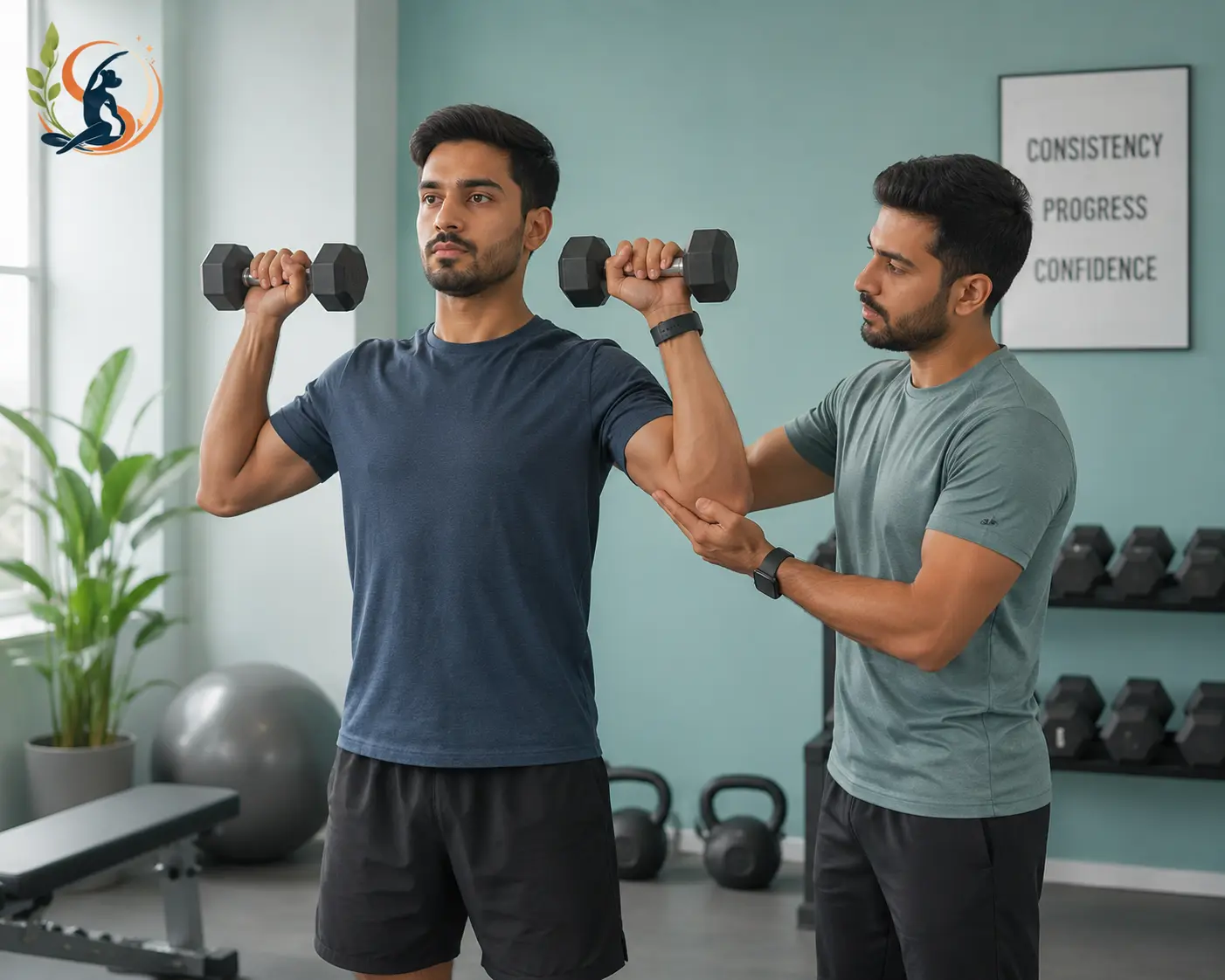
Starting out doesn't mean going light and cautious forever. But it does mean building a foundation first. Beginners should focus on mastering the dumbbell chest press and standard push-ups before adding in more advanced isolation moves like flyes.
Two to three chest exercises with dumbbells for beginners done with proper form and a full range of motion will build more real strength than five sloppy exercises rushed through with bad technique. I've seen this mistake constantly. People chasing volume before they've even earned the right form to support it.
A Sample Chest Workout With Dumbbells
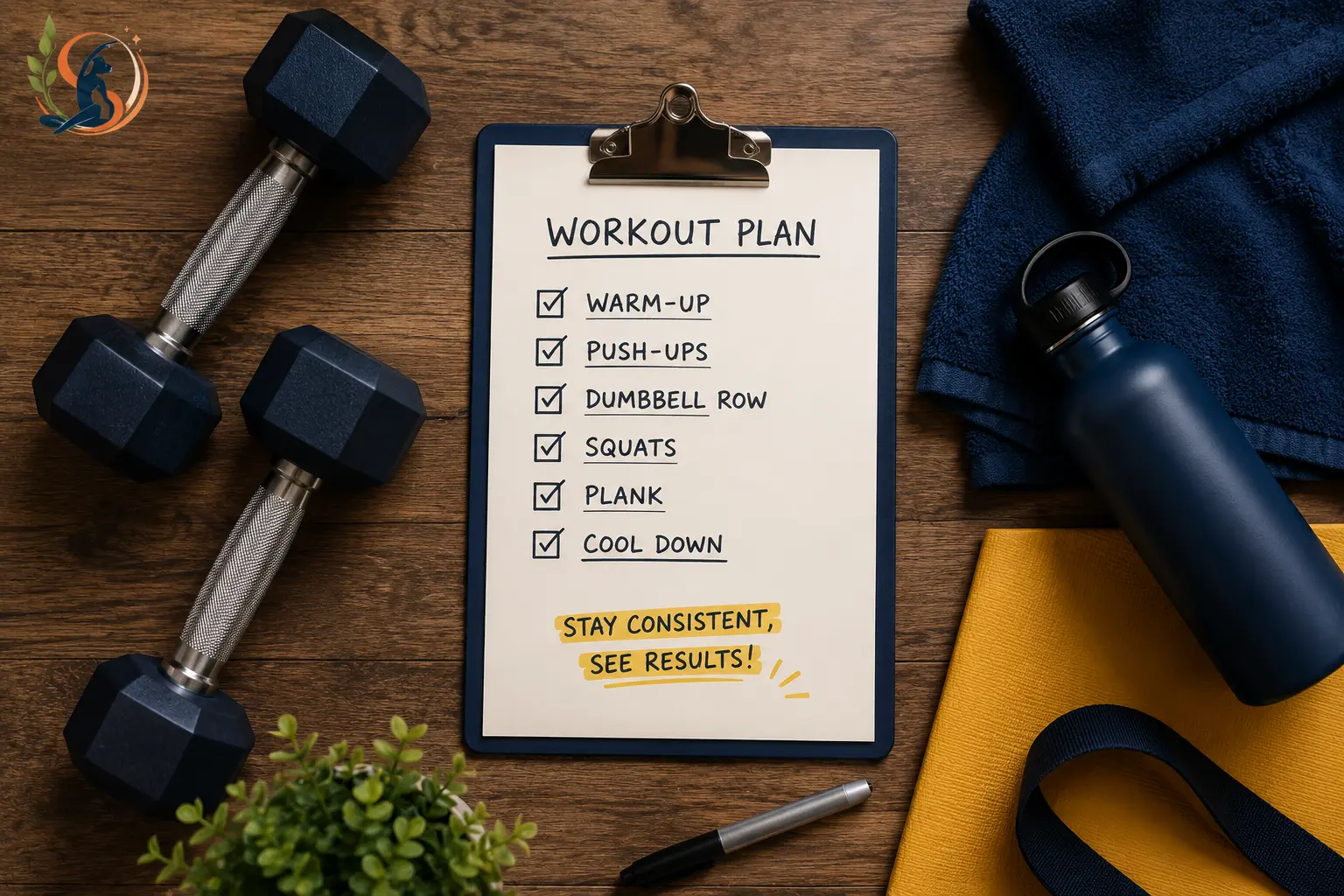
Here's a straightforward session you can run through whether you're at a gym or training chest exercises with dumbbells at home. For readers building out a full home setup, this functional trainer buying guide covers equipment that expands well beyond dumbbells.
Chest Day Exercises to Combine
Start with the dumbbell chest press for three sets of eight to twelve reps, move into incline dumbbell press for three sets of ten then finish with dumbbell flyes for two to three sets of twelve to fifteen reps. This combination hits the chest from multiple angles, exactly what a well-rounded chest day should aim for.
Chest and Back Workout Pairing
Pairing a chest back workout together works especially well for people short on time. Supersetting a dumbbell chest press with a dumbbell row for example keeps your heart rate elevated while balancing pushing and pulling muscles in the same session. It's efficient. And honestly it just feels good to hit both sides of your upper body in one go. Supersetting this with a dumbbell row from this back exercises guide keeps pushing and pulling balanced in the same session.
How Many Chest Exercises Do You Actually Need?
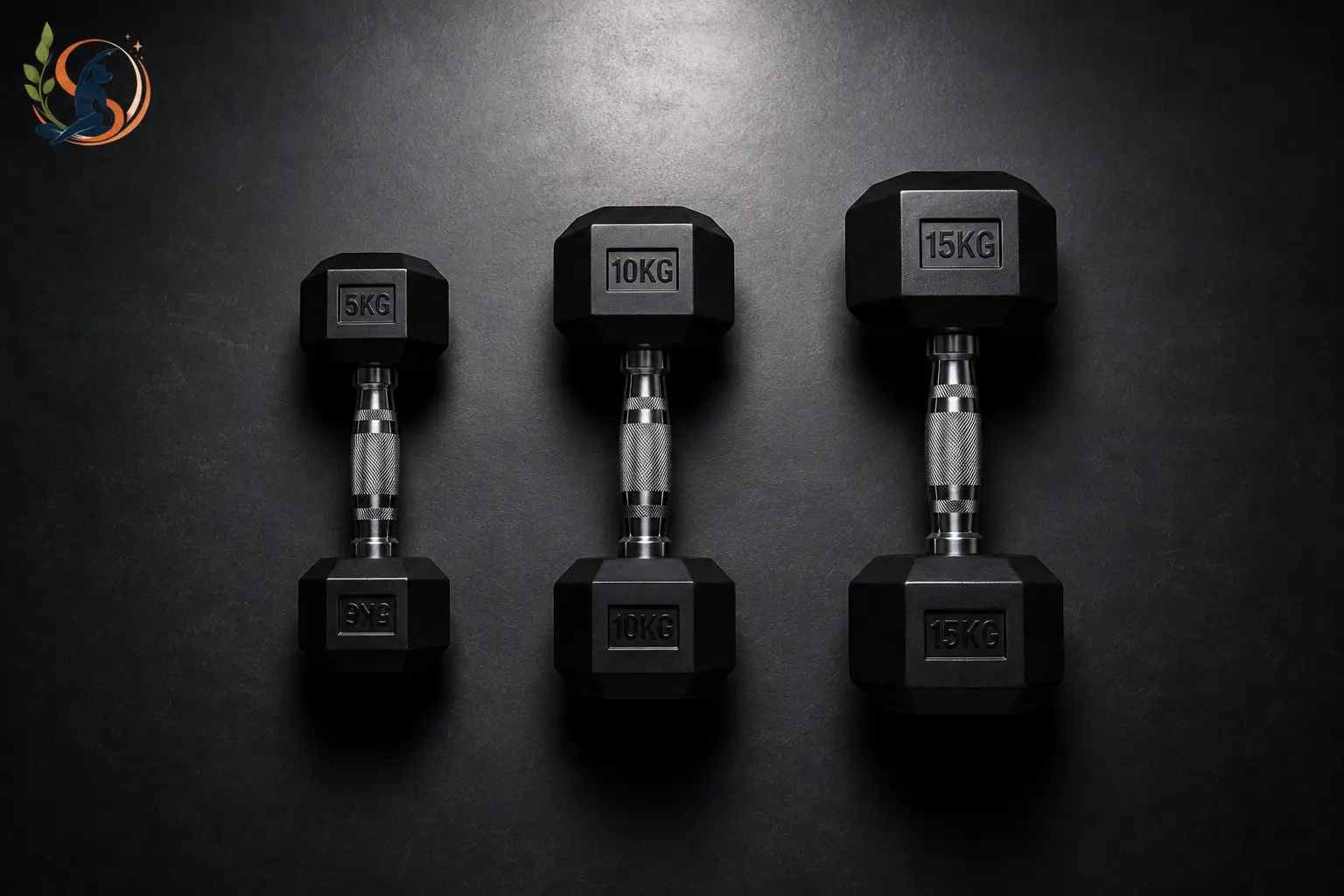
More isn't automatically better here and I say that as someone who used to think otherwise. Three well-chosen exercises, performed with real intensity and full range of motion will outperform six rushed ones almost every single time. Focus on one pressing movement, one incline movement and one isolation move like flyes, you've genuinely covered your chest from every meaningful angle at that point.
Common Mistakes People Make With Dumbbell Chest Exercises
I've corrected the same handful of mistakes so many times over the years I could probably recite them in my sleep at this point, not even exaggerating.
The biggest one? Rushing through the eccentric or lowering portion of the rep. People blast the weight up and let it drop back down almost carelessly which wastes a huge chunk of the muscle-building stimulus dumbbells are actually good for. Slow that lowering phase down to two or three seconds and you'll feel the difference almost immediately, sometimes within the very first set.
Another common issue is flaring the elbows out too wide during pressing movements which shifts stress away from the chest and onto the shoulder joints instead. Keep your elbows at roughly a 45-degree angle from your torso rather than a full 90 and your shoulders will thank you for it later, especially once the weights get heavier over time.
Finally a lot of people skip the stretch at the bottom of each rep out of fear, worried the dumbbells will somehow slip or feel unstable. A controlled, full stretch is exactly where dumbbells outperform barbells, so cutting that range short kind of defeats the whole purpose of choosing free weights in the first place, honestly.
Progressing Your Dumbbell Chest Workout Over Time
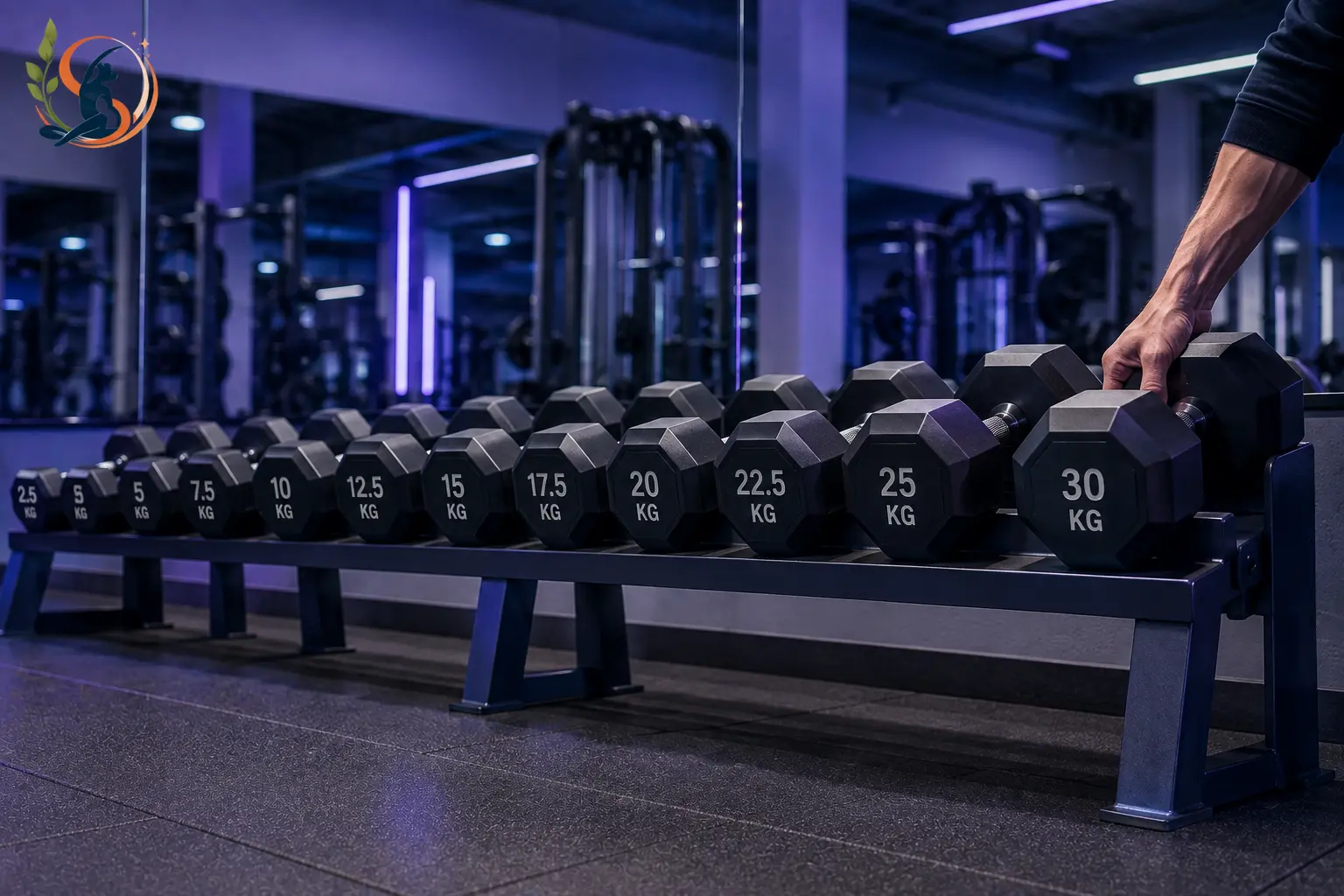
Doing the same weights and reps forever won't get you very far no matter how good your exercise selection is. Progressive overload, gradually increasing the demand placed on your muscles is what actually drives long term growth.
This doesn't always mean adding more weight every single week, since that pace simply isn't realistic once you've been training a while. Sometimes progress looks like an extra rep or two with the same dumbbells, a slower tempo on the lowering phase or shaving a little rest time between sets. All of it counts as real progress even if the number on the dumbbell stays exactly the same for a few weeks running.
I'd also recommend tracking your workouts somewhere, even something as simple as notes on your phone. Sounds unnecessary until you actually try it and then you realize how much easier it becomes to spot patterns and push a little harder each week once you can see your numbers laid out in front of you.
How Often Should You Train Chest Each Week
Training frequency trips a lot of people up, especially beginners who assume more is automatically better. For most people hitting chest directly two to three times per week, with at least one rest day between sessions, produces the best results without tipping into overtraining territory.
Your chest muscles need roughly 48 hours to recover properly after a hard session so training it again too soon usually just interferes with recovery rather than speeding things up. If you're doing a chest and back workout on the same day, that combination actually works well here too since it naturally builds in enough spacing before your next dedicated chest session rolls around.
Frequently Asked Questions
1. Can push-ups build as much muscle as bench press?
Push-ups can build significant chest muscle, especially with progressive variations but bench press generally allows heavier loading for continued strength gains. For most people, combining both bodyweight and dumbbell training delivers the best overall chest development rather than relying on just one method alone.
2. What's the best chest exercise without a bench?
The floor press is widely considered the best chest exercise without a bench, since it mimics the bench press movement closely while still delivering solid muscle activation. Push-up variations and standing dumbbell presses also work well as effective no-bench alternatives.
3. How many push-ups should a beginner do?
Beginners should aim for two to three sets of five to ten quality push-ups, focusing on proper form over raw numbers. As strength builds, gradually increase reps or switch to a harder variation rather than rushing toward high rep counts too soon.
4. What are the top 3 chest exercises?
The top 3 chest exercises most trainers recommend are the dumbbell chest press, incline dumbbell press and push-ups or dumbbell flyes. Together, these three movements cover pressing strength, upper chest development and isolation work for complete, well-rounded chest training.
5. What are five good chest exercises with dumbbells?
Five solid dumbbell chest exercises include the flat dumbbell chest press, incline dumbbell press, dumbbell flyes, floor press and single-arm dumbbell press. Rotating through these regularly targets the chest from multiple angles while keeping your training varied and genuinely effective.
6. Is 3 exercises enough for a chest day?
Yes, three well-chosen exercises are genuinely enough for an effective chest day, as long as they target different angles like flat pressing, incline pressing and isolation work. Quality and intensity matter far more than cramming in extra exercises just to feel busy.
Conclusion
Building a strong, well-developed chest doesn't require a fancy gym setup or a dozen different exercises thrown together randomly. A handful of dumbbell chest exercises, paired with solid bodyweight options for the day's equipment that isn't available, covers everything your chest genuinely needs to grow. Pick a few movements from this guide, stay consistent and give your body the time it actually needs to respond.


Comments (0)
No comments yet. Be the first to share your thoughts!
Leave a Comment