
My neighbor once told me her kid "negotiates snacks like a tiny lawyer," and honestly, that's most kids, isn't it. One day it's crackers or nothing. The next day crackers are suddenly the enemy, betrayed by a five year old for no clear reason. If you're a parent, you already know this dance and you're probably here because you want easy snacks for kids that don't turn into a whole debate every single afternoon.
Good news, though. This isn't complicated and you don't need a pantry full of specialty ingredients or a Pinterest board to pull it off. This guide covers easy snacks for kids at every age, from babies just starting solids all the way through school-age kids who come home starving at 3:30 like clockwork.
There's a section on school rules, some real numbers on sugar that most guides skip, an honest look at Welch's fruit snacks question everyone asks and a batch of homemade ideas that don't eat up your whole evening.
Why Healthy School Snacks Matter
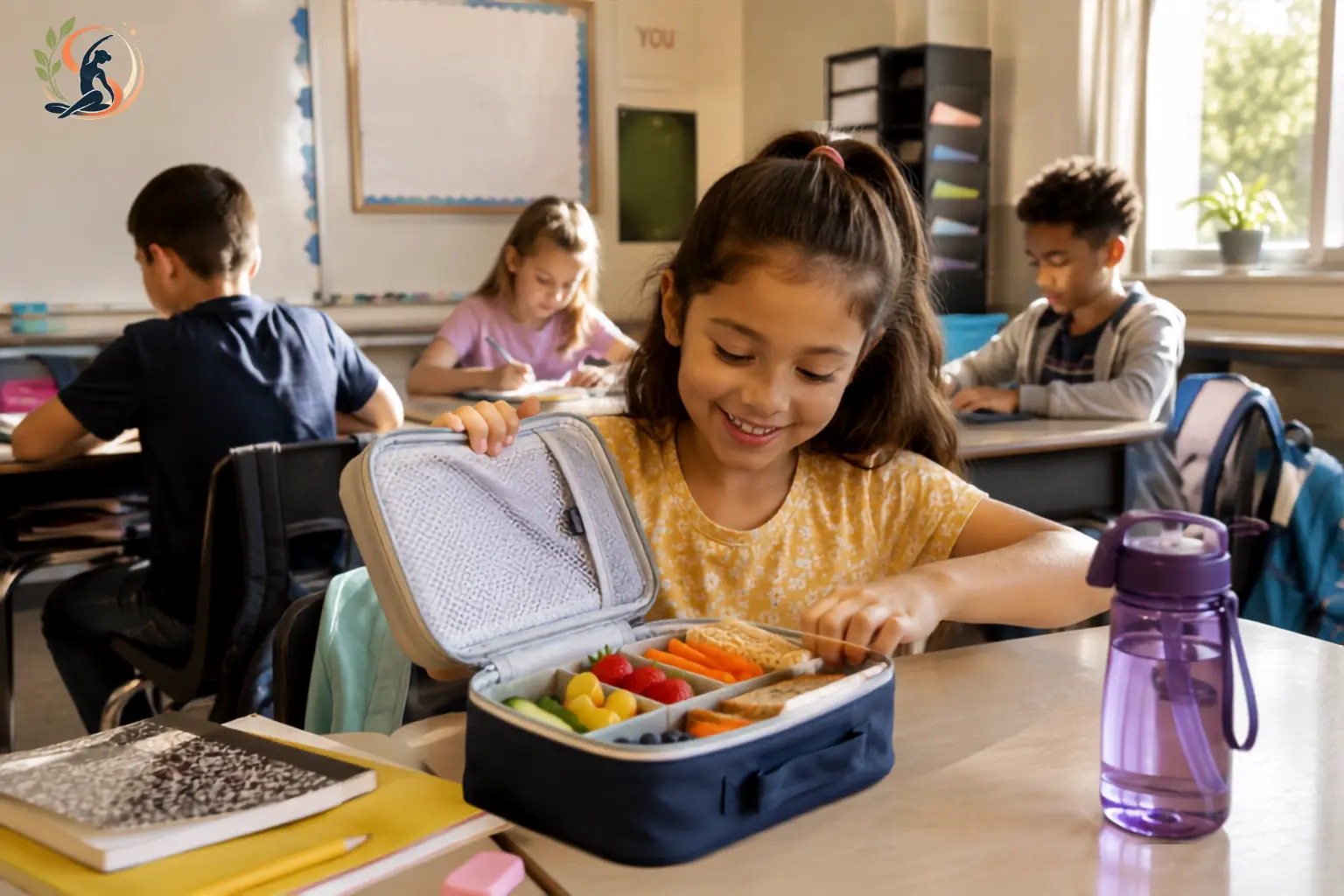
A snack seems small at the moment, but for a kid who's been sitting in class since 8 am, it's a bigger deal than it looks. Blood sugar drops, focus drops right along with it and suddenly a kid who was totally fine at recess is falling apart by fifth period over practically nothing.
School Nutrition Guidelines Parents Should Know
Most schools these days have some kind of school nutrition guidelines in place and a lot of them are stricter than parents expect walking in. Many classrooms ask for nut-free snacks because even one allergic kid in the room changes the rules for everyone, no exceptions.
Some schools also limit sugary snacks during class hours, saving those for special occasions instead of a regular Tuesday afternoon. It's worth checking your kid's specific classroom rules before packing anything, since "healthy" and "allowed" aren't always the exact same list, annoyingly.
The Problem With Sugary Packaged Snacks
A lot of packaged snacks marketed straight at kids lean hard on sugar and it's not always obvious from the front of the box. Bright colors, cartoon characters, words like "made with real fruit" plastered everywhere you look. None of that automatically means healthy. The label on the back tells the real story and it's usually worth a quick check before something goes in the lunchbox on repeat, five days a week without a second thought.
How Much Sugar Should Kids Actually Have
This is the part most snack guides skip entirely and it's genuinely useful to know before you're standing in the snack aisle trying to decide between two boxes.
The Real Numbers Behind "Everything in Moderation"
The American Heart Association recommends that kids aged 2 to 18 keep added sugar under 25 grams a day, which works out to about 6 teaspoons. Kids under 2 shouldn't have any added sugar at all, since their taste preferences are still forming and their calorie needs are so small to begin with.
Here's the part that stings a little. On average, American kids actually consume closer to 17 to 19 teaspoons of added sugar a day, roughly three times the recommended limit, mostly from sugary drinks, flavored yogurts and packaged snacks that don't look like dessert but basically function like one.
Put that in perspective for a second. A single pouch of regular fruit snacks can carry around 13 grams of sugar, which is already more than half a kid's entire daily budget, gone in one small snack before lunch even happens. That's not a reason to panic over every sweet treat. It's just useful context for deciding what's an everyday snack and what's more of an occasional one.
Easy Snacks for Kids by Age Group
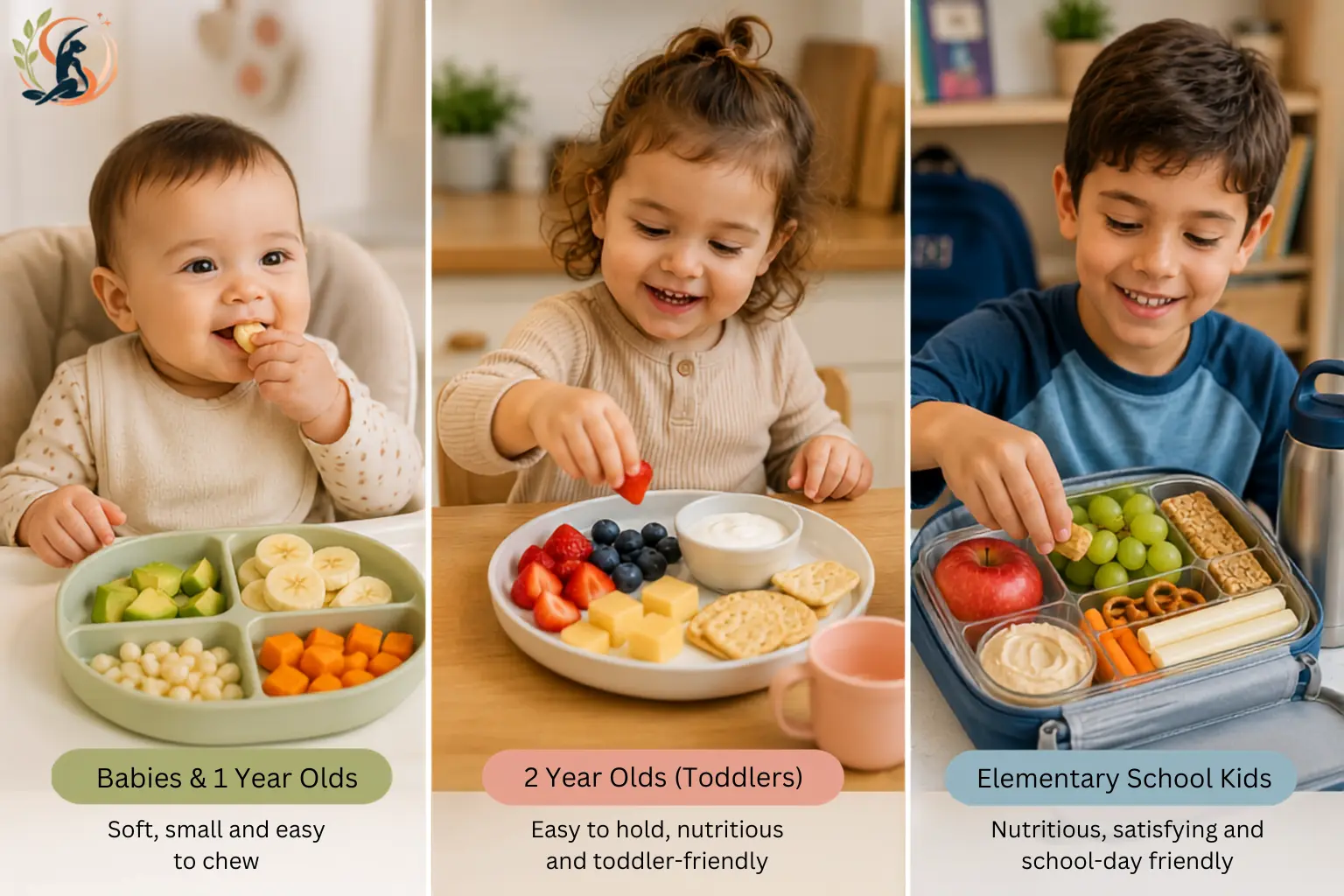
Not every snack works for every age, obviously. What's fine for a nine year old could be a genuine choking hazard for a one year old, so it helps to break this down stage by stage.
Snacks for Babies and 1 Year Olds
Healthy baby snacks need to be soft, small and easy to gum or chew, since most one year olds don't have a full set of teeth yet, no matter how grown up they act. Ripe banana slices, avocado chunks, small pieces of soft cooked sweet potato and puffed rice cereal all work well here. Snacks for babies should always be cut small enough that a piece can't block an airway and always eaten while sitting up, never crawling around or lying down.
For snacks for 1 year old kids specifically, you can start introducing slightly more texture, things like small cubes of soft cheese or well-cooked pasta pieces. Go slow, watch for reactions and skip anything round and hard, like whole grapes or hard candy, until they're much older and can actually chew properly.
Best Toddler Snacks for 2 Year Olds
By the time you're looking at snacks for 2 year olds, a bit more independence usually comes into the picture, whether you're ready for it or not. Toddlers this age often want to feed themselves, messy as that gets and it gets messy fast. The best toddler snacks at this stage include cut-up soft fruit, small whole grain crackers, cheese cubes and yogurt in a small bowl with a toddler spoon they'll probably use as a drumstick half the time.
Toddler snacks ideas that work well also include things like mini muffins made with mashed banana instead of a ton of sugar or small strips of soft cooked chicken. Snack ideas for toddlers should stay small and simple, since attention spans at this age are famously short and a snack that takes ten minutes to eat often just gets abandoned halfway through anyway.
Good Snacks for Kids in Elementary School
Once kids hit school age, good snacks for kids start needing to survive a backpack for a few hours, sometimes with zero refrigeration in sight. Whole fruit, granola bars, string cheese and trail mix without choking hazards like whole nuts all hold up well through a school day. Kids' snacks at this stage can also start getting a bit more grown-up, hummus with pretzels or a small container of edamame, since taste buds and independence both start expanding fast around this age.
Healthy School Snacks and Lunchbox Ideas
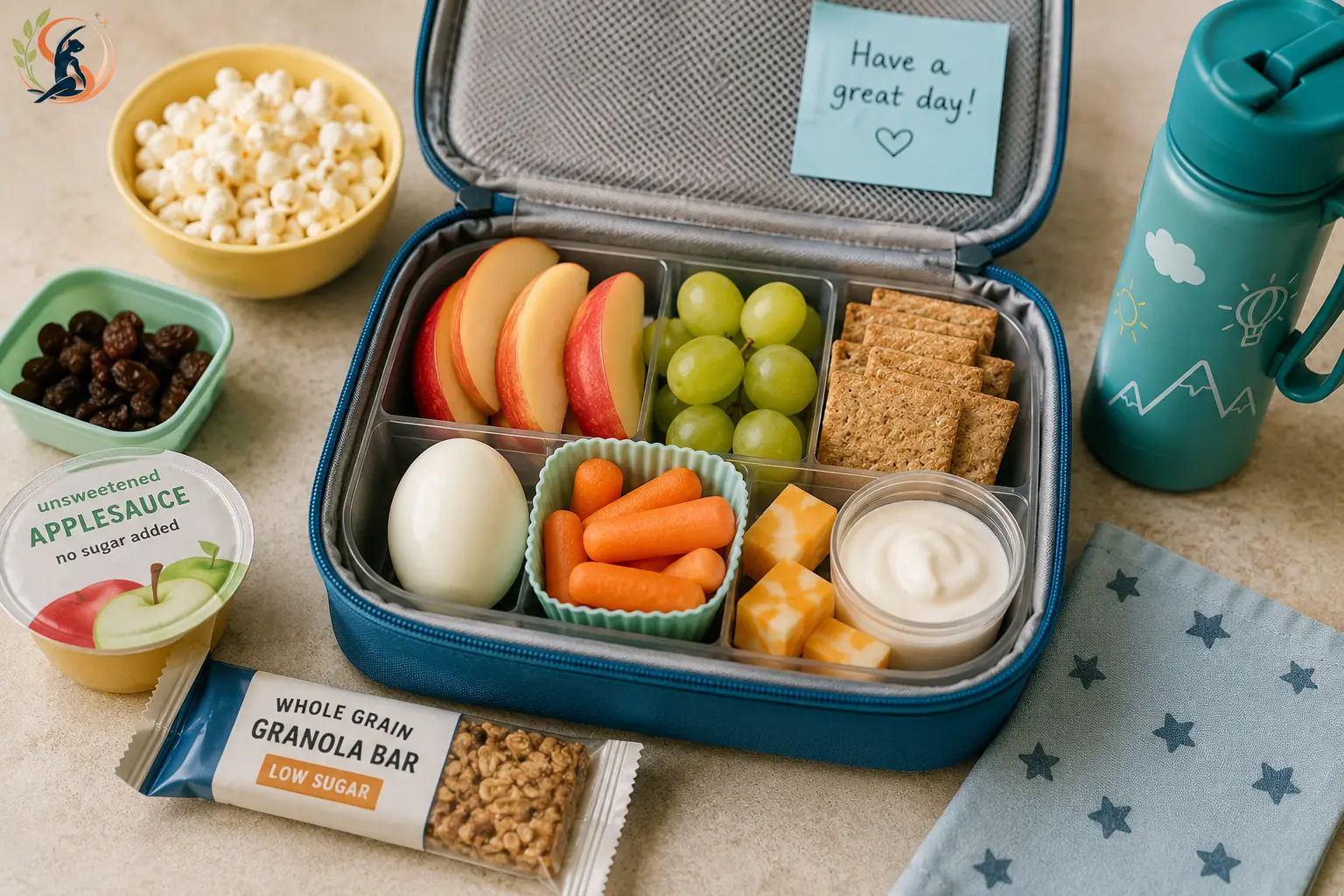
Healthy school snacks need to check a few extra boxes that snacks at home don't really need to worry about.
Lunchbox Snack Ideas That Travel Well
Lunchbox snack ideas that hold up best are usually things that don't need a fork, don't leak and don't turn to mush by lunchtime. Think apple slices with a squeeze of lemon juice to stop browning, whole grain crackers, small boxes of raisins or a hard-boiled egg in its shell. Healthy kid snacks to buy for this purpose include individually packaged applesauce cups, whole grain pretzels and low-sugar granola bars, all things that survive a locker or cubby without much fuss or babysitting.
Allergy-Friendly and Nut-Free Snacks for School
With how common nut allergies have become, allergy-friendly school snacks are basically a requirement now, not a nice extra add-on. Nut-free snacks for school include sunflower seed butter instead of peanut butter, cheese and crackers, fruit and yogurt. Always double check labels too, since a lot of packaged snacks get processed in facilities that also handle nuts and that tiny disclaimer at the bottom of the ingredient list actually matters a lot for kids with real allergies.
Healthy After School Snacks for Hungry Kids
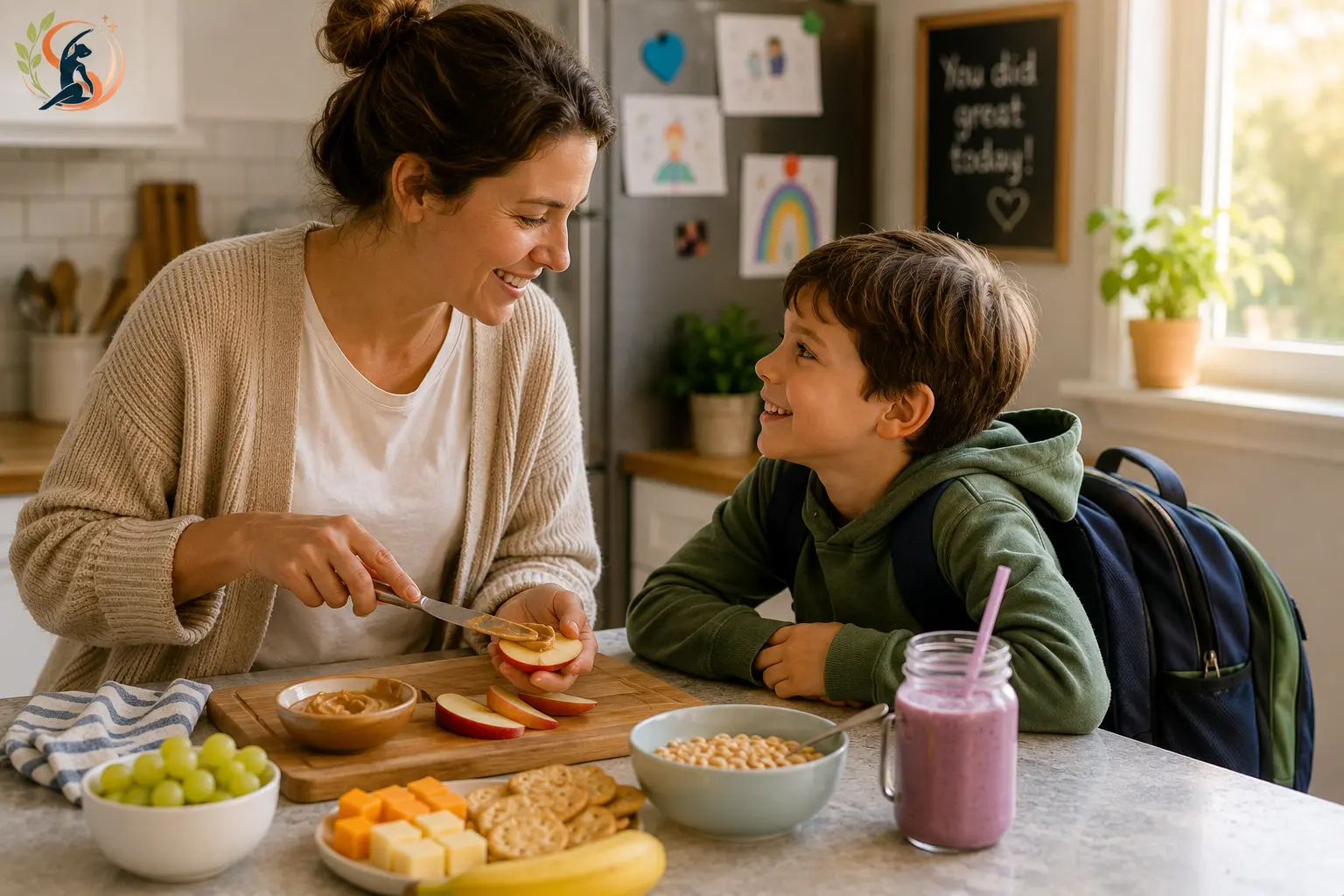
Anyone who's picked up a kid from school knows the exact face they make the second they climb into the car. That's not normal hunger. That's "I haven't eaten in four hours and I need food immediately" hunger and healthy after school snacks need to meet that moment head on.
5-Minute Snacks After a Long School Day
After school snack ideas that come together fast matter more than fancy ones, every single time. Apple slices with peanut butter or sunflower seed butter, a bowl of cereal with milk, cheese and crackers or a quick smoothie blended with frozen fruit and yogurt all take under five minutes flat. Afterschool snacks don't need to be complicated to actually work. Honestly, the faster it comes together, the more likely a starving kid eats it before the complaining even starts up.
Snacks for Picky Eaters
Picky eater snacks are their own category and every parent of a picky eater already knows it in their bones. Keeping a few "safe" foods on rotation, alongside one small new thing offered without any pressure, tends to work better than forcing a whole new food all at once. Some kids need the exact same cracker every single day for months before they'll try something new sitting right next to it and that's honestly pretty normal, not a sign anything's wrong with your kid or your cooking.
Are Welch's Fruit Snacks Healthy - A Closer Look
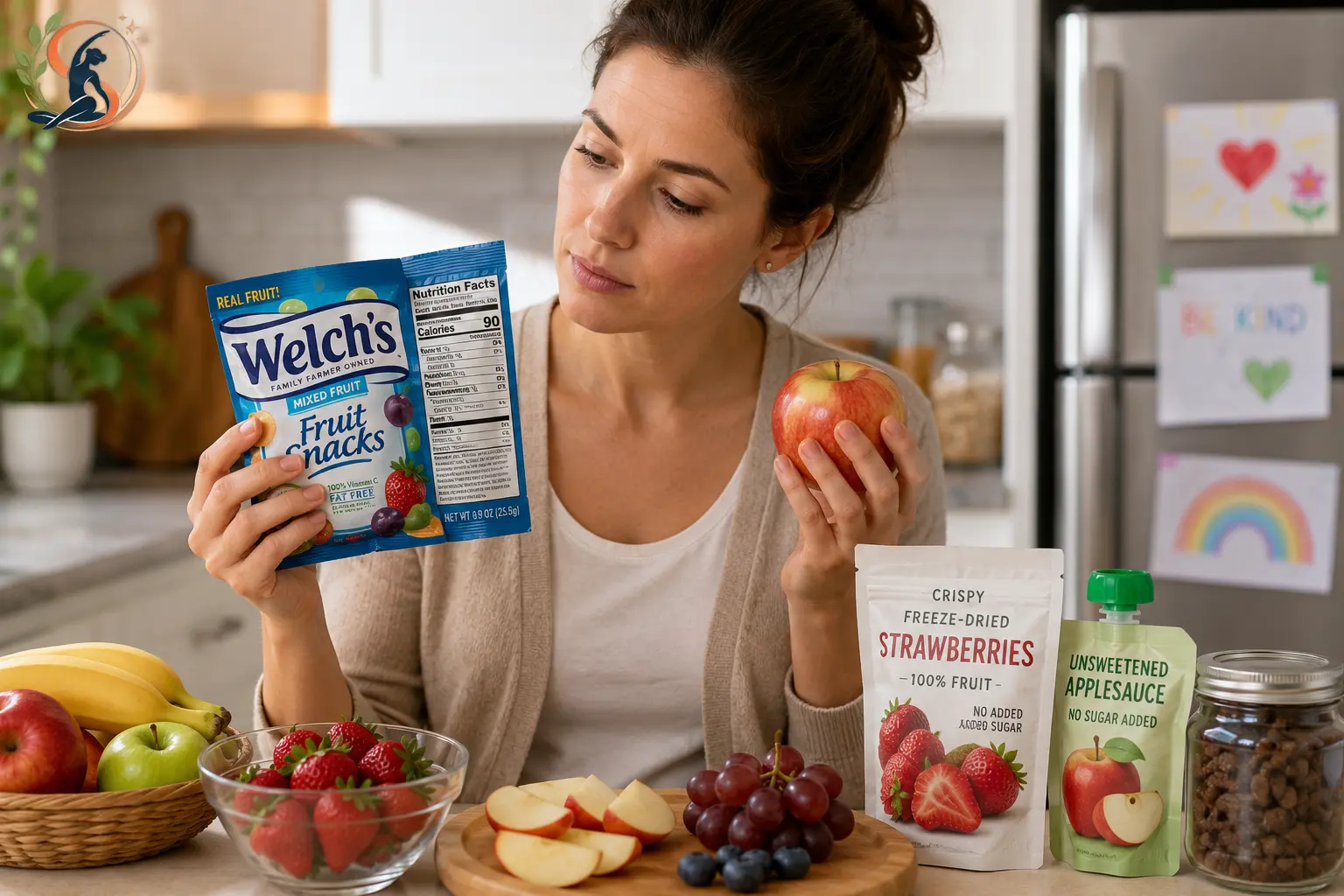
This question comes up constantly and it deserves an honest answer instead of a quick yes or no brushed off in one line. For better store-bought alternatives beyond the ones listed here, see this full breakdown of healthy fruit snacks.
What's Actually in the Package
Welch's fruit snacks list fruit puree as the first ingredient and the company markets that pretty heavily on the front of the box. But corn syrup and sugar also show up near the top of the ingredient list, right behind the fruit puree, not buried at the bottom where you might expect. A standard serving runs around 90 calories with roughly 13 grams of sugar and there's basically no fiber or protein in there to slow any of that sugar down.
Some nutrition trackers estimate the product is close to a third sugar by weight once you account for both added and natural sugars combined. Welch's does also sell a reduced sugar version, which cuts sugar from 13 grams down to about 10 grams per serving, a modest improvement, though still a fairly sugar-forward snack overall.
So, are Welch's fruit snacks healthy? They're not junk food exactly and the company isn't hiding anything either, they're pretty upfront that it's not meant to replace real fruit in a kid's diet. But they're closer to a candy-adjacent treat than an actual fruit serving and given that 25-gram daily sugar limit we just talked about, one pouch is already eating up half a kid's whole day. Best treated as an occasional snack, not a daily lunchbox staple.
Better Store-Bought Alternatives
If you want something with a similar grab-and-go convenience but less sugar, look at freeze-dried fruit with no added sugar, applesauce pouches with no sugar added or unsweetened dried fruit like raisins or apricots. Healthy kid snacks to buy in this category usually have short ingredient lists and don't lean on corn syrup or added sugar just to taste decent.
Fun and Homemade Snacks for Kids
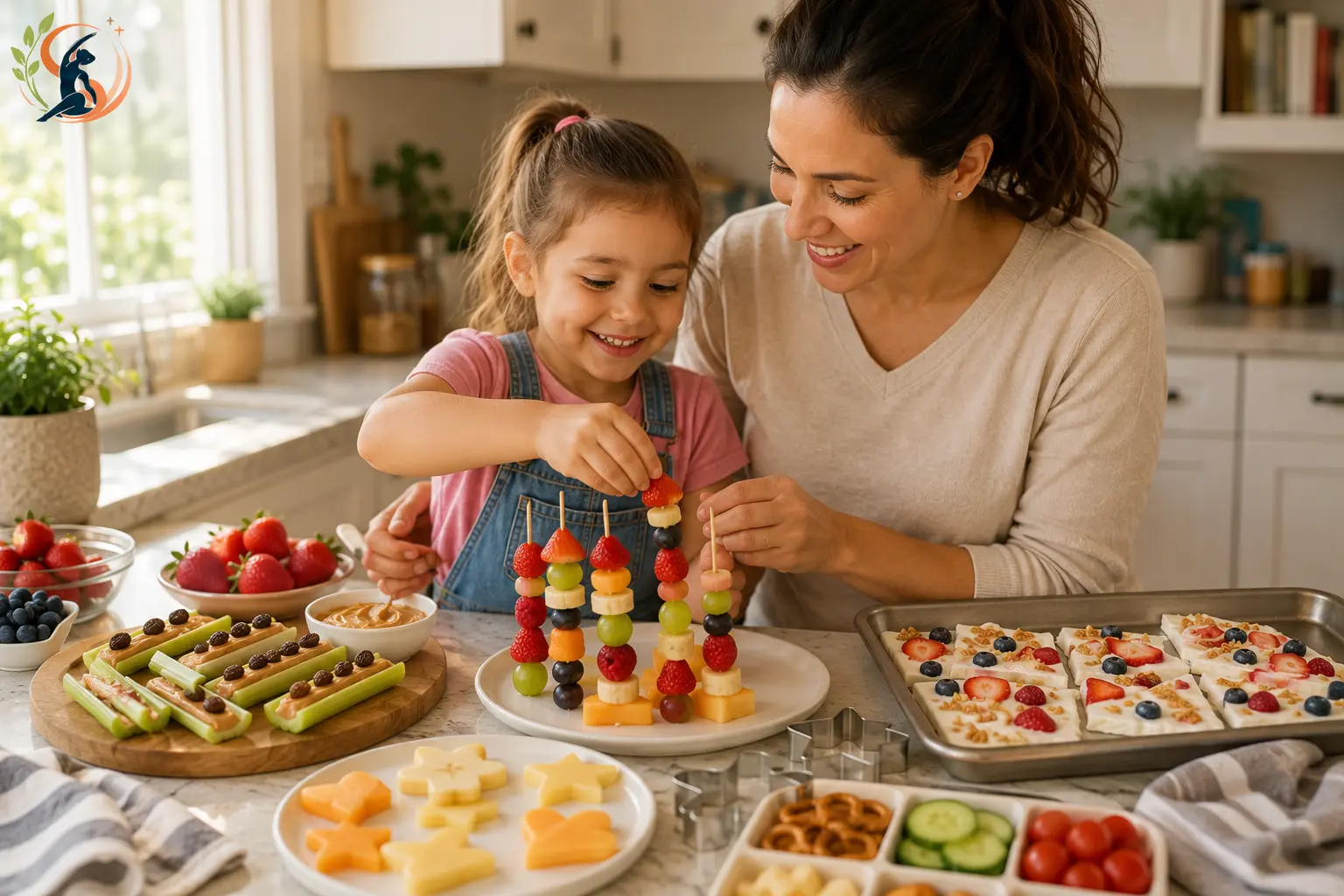
Sometimes the best way to get a kid excited about a snack is just making it feel a little more fun than usual or letting them help make it themselves start to finish. A batch of healthy brownies made with applesauce and nut butter is another baking project kids can help assemble.
Homemade Snacks Kids Can Help Make
Homemade snacks for kids don't need to be complicated to be worth the effort. Ants on a log, celery with peanut butter and raisins, is a classic for a reason, it takes two minutes and kids genuinely love assembling it themselves. Frozen yogurt bark, made by spreading yogurt on a tray with berries and freezing it, is another easy one that kids enjoy helping build from scratch. Letting a kid stir, spread or arrange their own snack tends to make them far more likely to actually eat the thing afterward. Dates blended into energy balls are a naturally sweet option that sidesteps the added-sugar problem covered above.
Fun Snack Ideas That Don't Feel Like a Chore
Fun snacks for kids often just need a small twist on something totally familiar. Fruit kabobs on a straw instead of a stick, cheese cut into fun shapes with a cookie cutter or a "snack plate" with a few small piles of different foods to pick from like a tiny buffet. Fun children's snacks like these turn a routine afternoon snack into something that feels a little more like an event, without any extra sugar or real effort involved on your end.
Frequently Asked Questions
What are 7 healthy snacks?
Apple slices with peanut butter, string cheese, plain yogurt with berries, hummus with veggies, whole grain crackers with cheese, homemade trail mix and hard-boiled eggs are all solid picks. Each one brings some protein or fiber, which keeps kids full longer than a purely sugary option would.
How do you make 5 minute snacks?
Stick to foods that need no cooking. Apple slices with nut or seed butter, cheese and crackers, yogurt with fruit or a quick fruit and yogurt smoothie all come together in under five minutes. Keeping pre-washed fruit and pre-portioned snacks on hand speeds things up even more.
What are the 10 most popular snacks for kids?
Popular picks tend to include goldfish crackers, fruit snacks, string cheese, apple slices, granola bars, pretzels, yogurt cups, crackers with cheese, popcorn and trail mix. Popular doesn't always mean healthiest, so it's worth balancing favorites with a few more nutrient-dense options through the week.
What are easy cheap at-home snacks?
Peanut butter toast, banana with a spoon of yogurt, homemade popcorn, scrambled eggs or plain crackers with cheese are all budget-friendly and use ingredients most kitchens already have. These cost far less per serving than packaged, individually wrapped snacks bought at the store.
What snacks are safe for a 1 year old?
Soft foods cut small work best, ripe banana, avocado chunks, soft cooked sweet potato and puffed cereal. Avoid round, hard foods like whole grapes or nuts, since they're choking risks at this age. Always have your toddler sit upright while eating any snack.
How much added sugar should a school-age kid have per day?
The American Heart Association recommends under 25 grams, about 6 teaspoons, for kids aged 2 to 18. Most American kids consume far more than that on average, largely from sugary drinks and packaged snacks. Checking labels helps keep daily snacks closer to that recommended limit.
Conclusion
Easy snacks for kids don't have to mean sugary, packaged or complicated, even though it can feel that way standing in a crowded grocery aisle. Whether you're feeding a one year old just starting solids, a toddler who wants to do everything themselves or a school-age kid who negotiates snacks like it's their part-time job, there's a simple option here for every stage. Keep a few good staples on hand, let picky eaters set their own pace and the rest of it tends to sort itself out over time, one snack at a time.


Comments (0)
No comments yet. Be the first to share your thoughts!
Leave a Comment