
I used to run on three coffees and pure panic just to get through a workday. Kept crashing by 2 PM anyway, every single time. Turns out I was completely ignoring what foods that give you energy actually do inside your body and it cost me years of unnecessary exhaustion honestly.
If you're googling foods that give you energy at 11 PM because you're too tired to function but too wired to sleep, hey, same boat. I lived that exact contradiction for years before actually figuring out what was going on.
Turns out my afternoon crashes weren't a willpower problem. They were a magnesium and blood sugar problem and nobody explained that part clearly.
The 2 PM Wall That Ruined My Afternoons For Years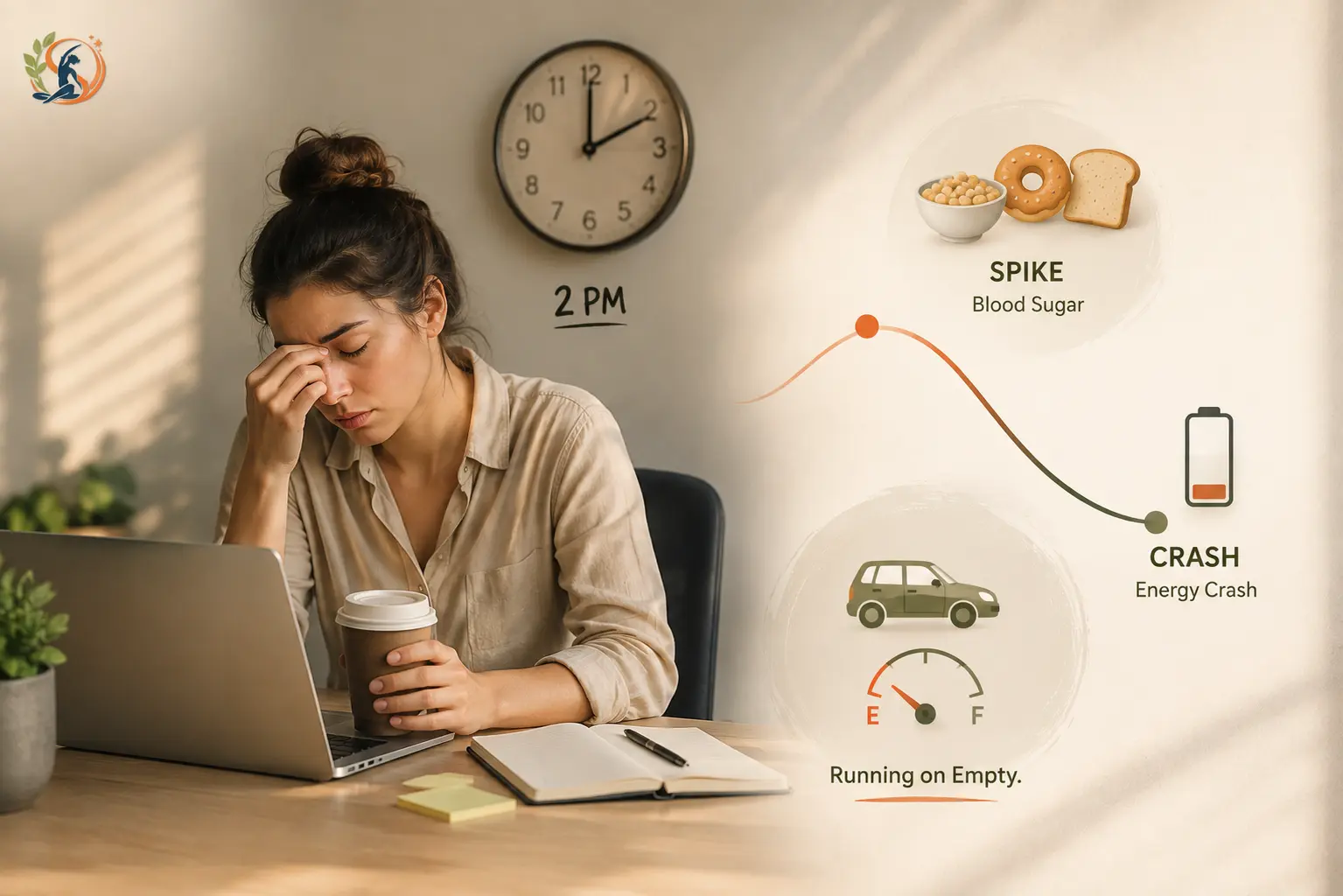
I used to genuinely believe I was just lazy. Every single afternoon, right around 2, my brain would just check out completely, like someone pulled a plug somewhere behind my eyes. I'd stare at my screen doing nothing productive, reaching for another coffee that barely helped anymore, wondering what was actually wrong with me at this point honestly.
Turns out, according to research I eventually stumbled into, that crash has a name and a mechanism behind it. High-glycemic foods spike your blood sugar fast, then drop it hard and that drop is basically your body's version of running out of gas mid-highway. I wasn't lazy, I was just eating foods that give you energy for twenty minutes and then abandon you completely.
Why Some Foods Fuel You And Others Just Fake It
Not every carb behaves the same way inside your body, which honestly nobody explained to me clearly until way too late. White bread, sugary cereal, fruit juice these flood your bloodstream with glucose fast, creating a spike, then a crash. Foods that give you energy sustainably work differently, releasing glucose slowly instead of dumping it all at once into your system.
Whole grains, legumes, nuts, lean proteins digest slower, keeping blood sugar steadier for longer stretches. The glycemic index actually scores this exact behavior, ranking how quickly different foods spike your blood sugar.
Once I started paying attention to that ranking instead of just calorie counts, my afternoon crashes started shrinking noticeably within about two weeks honestly. Leaning into a genuinely whole food diet instead of processed convenience stuff made this shift a lot easier to sustain long term too.
The Mineral Nobody Talks About That Changed Everything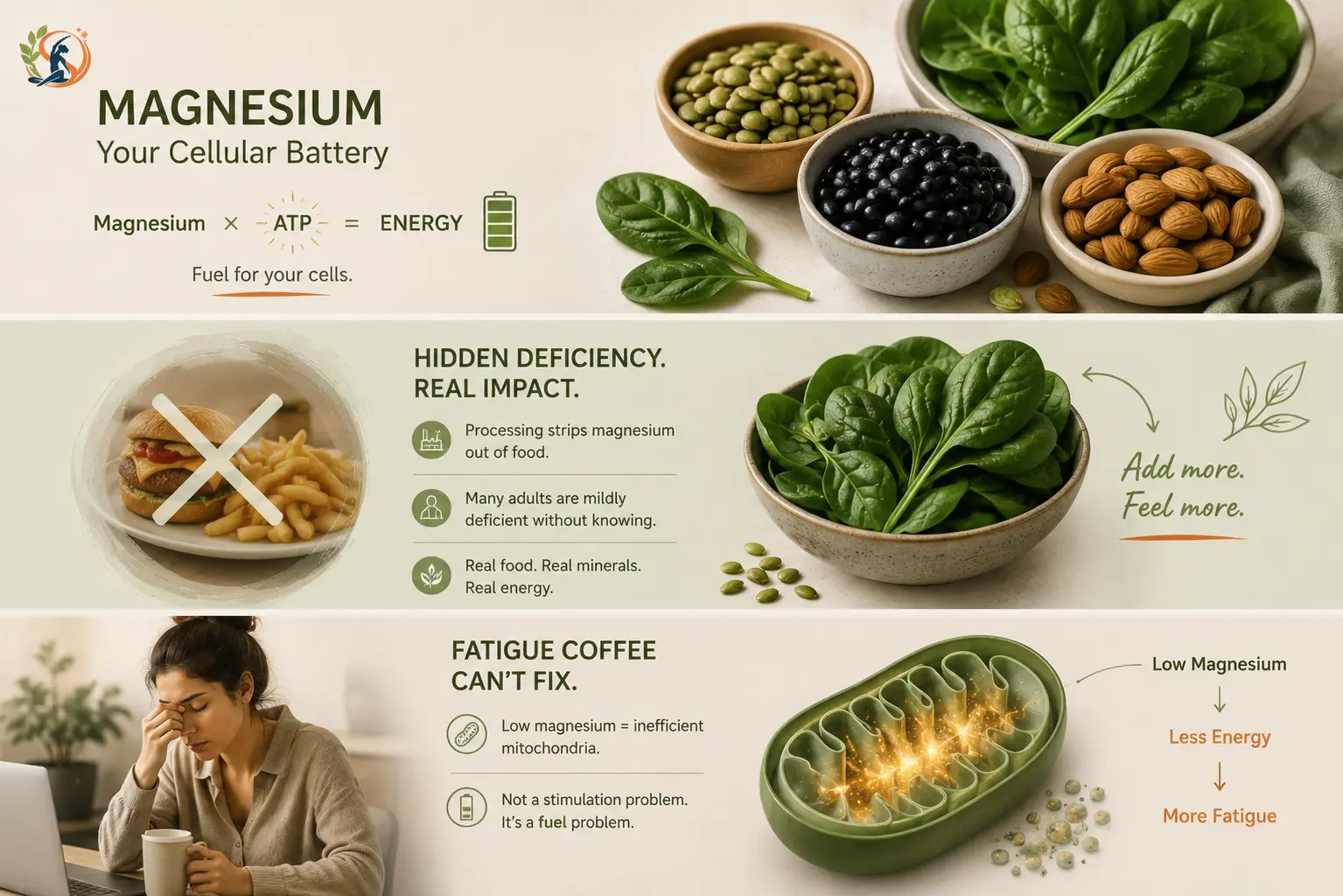
Magnesium Is Basically Your Cellular Battery
Here's something wild I learned magnesium binds directly to ATP, the actual molecule your cells use as energy currency. Without enough magnesium, your cells literally can't produce or use energy efficiently. Foods that give you energy through magnesium include pumpkin seeds, dark leafy greens, black beans and almonds and I was eating basically none of these before. Even dates turned out to be a solid source, and I've written more about that specifically in our nutritional value of dates guide if you want the full breakdown.
I Was Mildly Deficient Without Even Knowing
Turns out processed food refining strips magnesium out almost completely and I was eating a ton of processed stuff without realizing the mineral cost. Research shows many adults walk around mildly deficient without any clear diagnosis, just chronic unexplained fatigue. Adding pumpkin seeds and spinach into my rotation of foods that give you energy than I expected.
The Fatigue That Coffee Couldn't Touch
This part hit hardest honestly. When magnesium runs low, your mitochondria become less efficient, producing less usable fuel and more waste byproducts instead. That's the exact kind of persistent, hard-to-explain tiredness that no amount of caffeine actually fixes, because you're not tired from lack of stimulation, you're tired from a cellular fuel shortage.
The Iron Thing I Genuinely Ignored For Years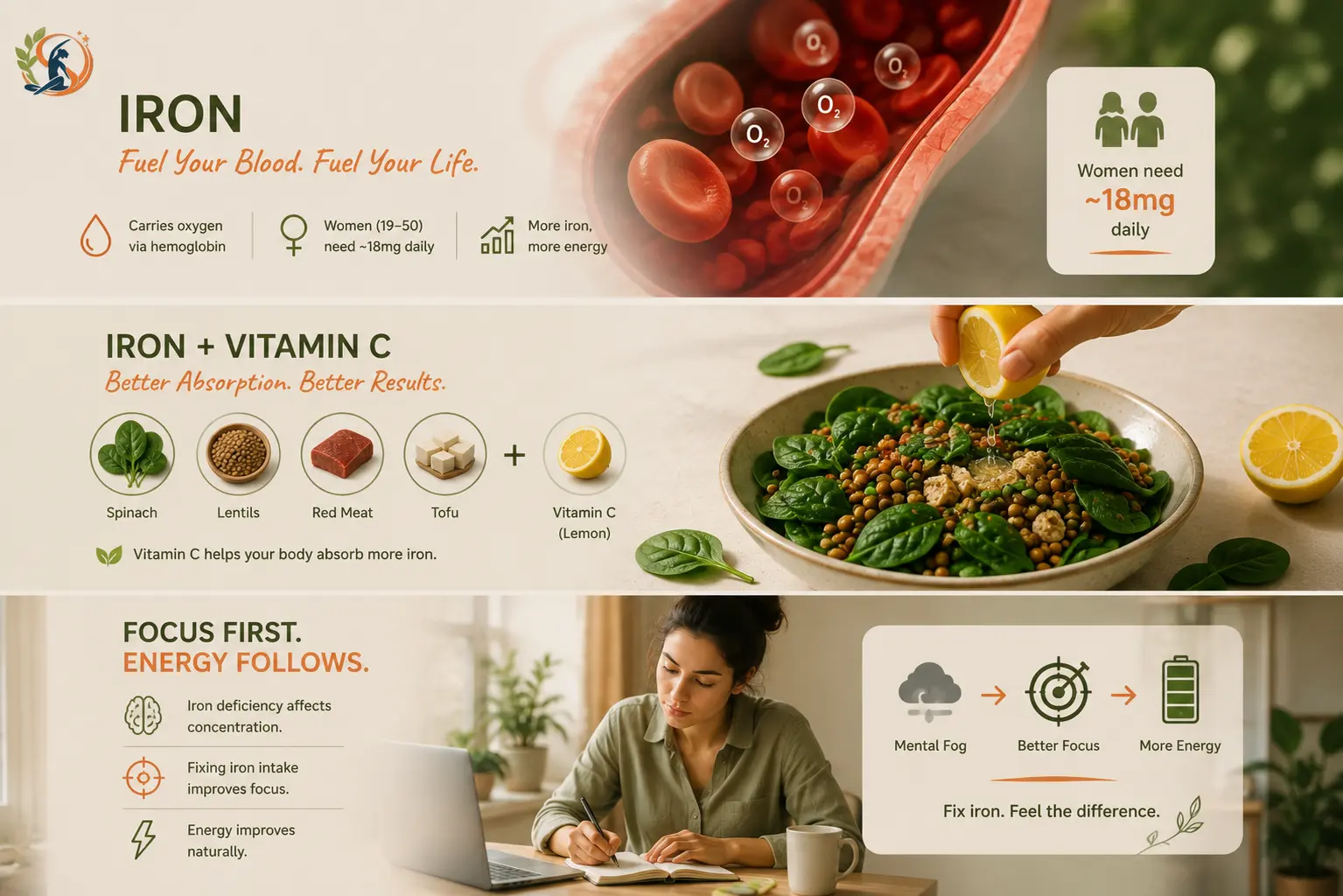
Women Need Way More Than I Realized
Iron carries oxygen through your blood via hemoglobin and without enough, your tissues are essentially running low on oxygen all day long, quietly, without dramatic symptoms necessarily. Women between nineteen and fifty need about 18mg daily, more than double what men typically require. I had no idea my numbers were probably running low for years.
Spinach And Lemon Juice Became My Combo
Iron-rich foods that give you energy include spinach, lentils, red meat and tofu, but pairing them with vitamin C dramatically improves how much iron your body actually absorbs. Squeezing lemon juice over spinach became this weirdly simple habit that apparently does real biochemical work behind the scenes constantly.
My Concentration Improved Before My Energy Did
Interestingly, the mental fog lifted before I noticed physical energy shifting much. Iron deficiency affects concentration specifically, not just physical stamina, which explains why I felt scattered and foggy for years without connecting it to nutrition at all. Fixing iron intake fixed focus first, energy following close behind gradually.
Hydration Matters More Than I Ever Gave It Credit For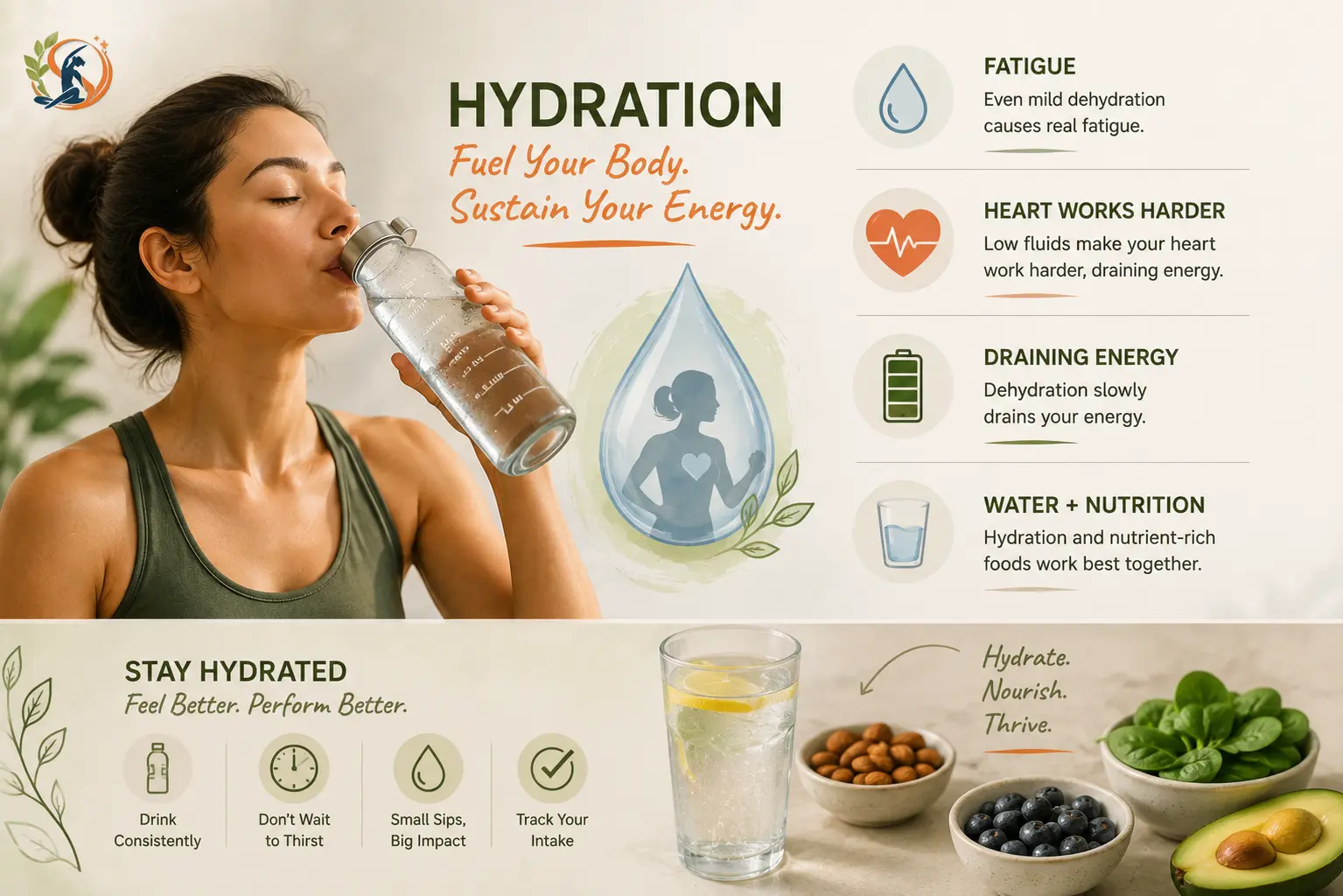
Even mild dehydration causes real, measurable fatigue, according to research I honestly ignored for way too long. Low fluid levels force your heart to work harder just to keep up, slowly draining energy without you necessarily connecting the dots to water intake specifically. I used to treat water as an afterthought completely.
Once I started actually tracking water intake alongside foods that give you energy, the combination mattered more than either alone. Dehydration amplifies fatigue from other sources too, so if you're eating well but still dragging, check your water bottle before blaming anything else about your diet or sleep schedule generally.
The Protein Pairing Trick That Actually Works
Eating carbs alone without protein or fiber creates a faster blood sugar rise, then a faster crash afterward too. Pairing foods that give you energy with a protein source Greek yogurt, nuts, eggs slows digestion and steadies that curve considerably. Simple swap, surprisingly big difference in how my afternoons actually felt.
A study on Greek yogurt with 24 grams of protein showed participants experienced less hunger and more fullness afterward specifically. Protein also slows stomach emptying, which extends how long a meal's energy actually lasts.
I started adding nuts to fruit instead of eating fruit alone and the difference was honestly noticeable within days. On heavier training days, I lean on one of our protein shake recipes for fat loss instead of a full meal, and it holds me over just as well.
Snacks I Actually Started Keeping At My Desk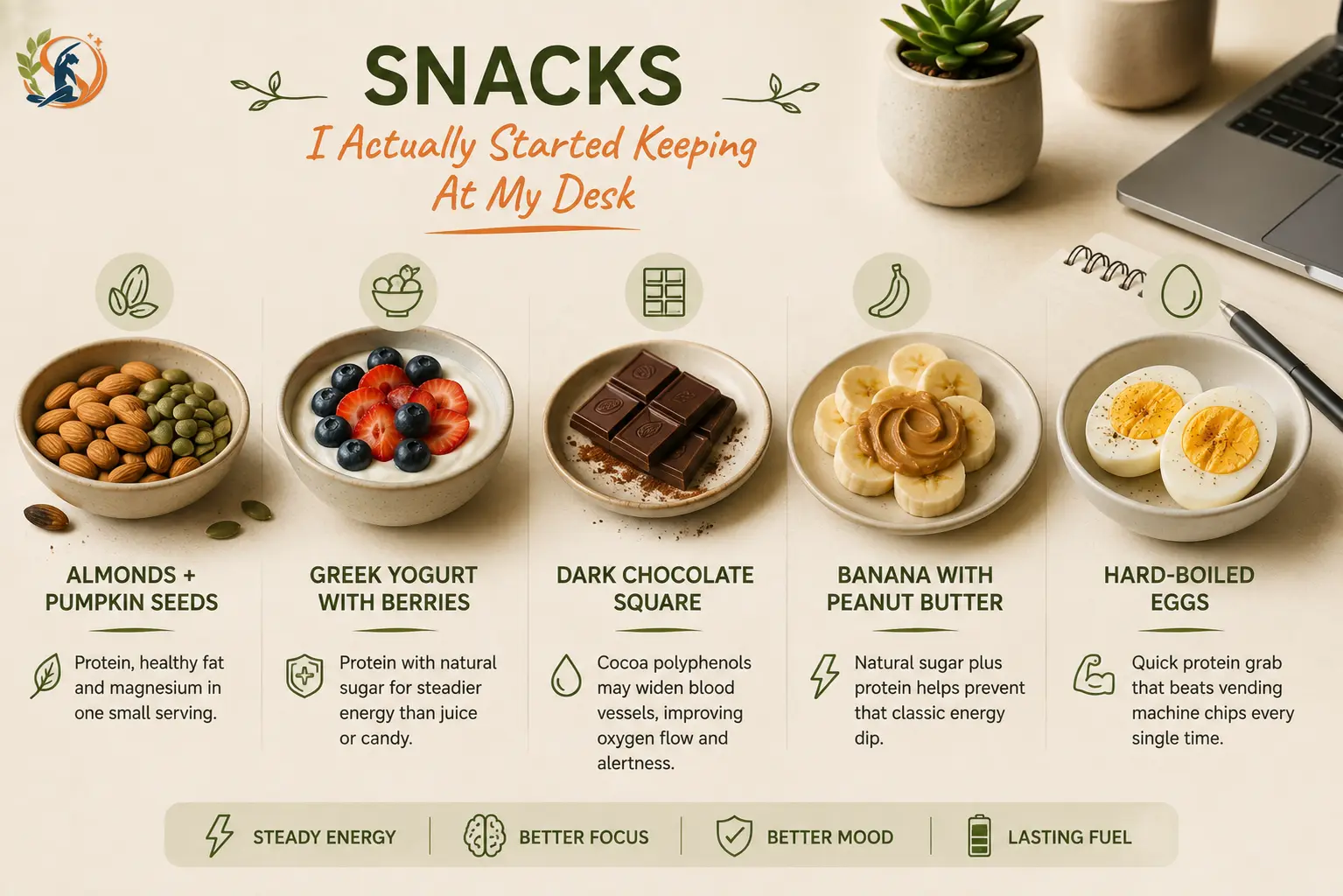
Handful of almonds and pumpkin seeds together, combining protein, healthy fat and magnesium in one small serving
Greek yogurt with berries, pairing protein with natural sugar for steadier energy than juice or candy ever gave me
Dark chocolate square, since cocoa polyphenols may widen blood vessels slightly, improving oxygen flow and alertness somewhat
Banana with peanut butter, natural sugar plus protein keeping that classic energy dip from happening as dramatically
Hard-boiled eggs prepped Sunday night, quick protein grab that beats vending machine chips every single time honestly
Morning Habits That Set My Whole Day Differently
Water first thing before coffee, since dehydration amplifies fatigue that coffee alone can't actually fix properly
Protein-forward breakfast instead of just toast, combining lean protein with fiber for a steadier morning energy curve
Spinach added to eggs or smoothies, sneaking iron and magnesium in without extra effort or meal planning
Ten minutes outside before screens, since light exposure affects alertness beyond just what you're eating that morning
Skipping the sugary cereal entirely, since that fast glucose spike guarantees an equally fast crash by mid-morning
I ended up putting together a bigger list of desk-friendly options too, which lives over in our healthy snacks for work guide if you want more variety than just my personal five.
What Actually Changed After Two Months Of This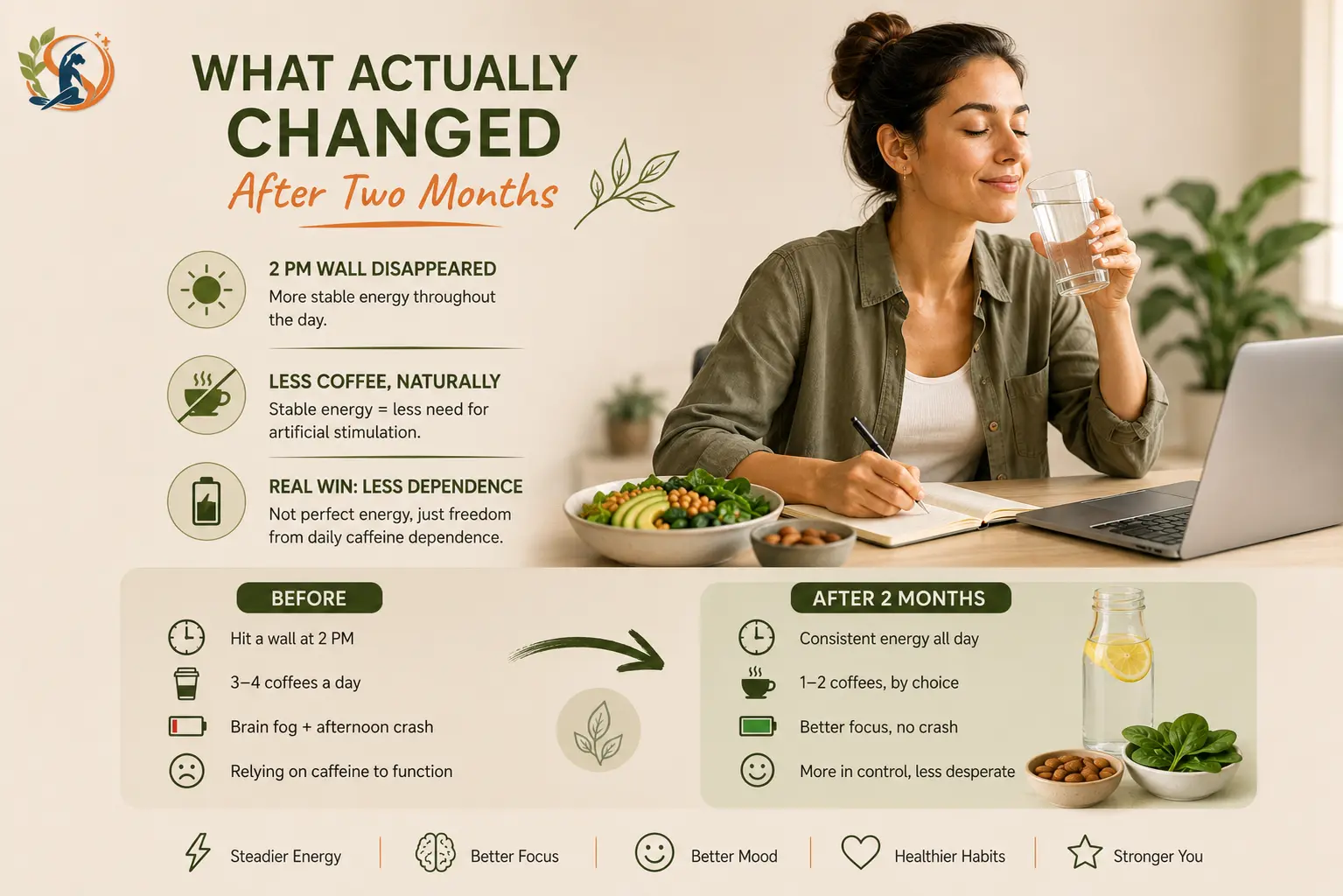
Genuinely, the 2 PM wall stopped showing up most days. Not every single day, I'm not claiming some miracle transformation here, but the frequency dropped dramatically once I started actually understanding foods that give you energy at a mechanism level instead of just guessing randomly based on whatever diet trend was popular that particular month.
My coffee intake dropped too, without me even trying to cut it deliberately. Turns out when your baseline energy is more stable, you crave less artificial stimulation just to function normally through an ordinary workday. That felt like the real win honestly, not perfect energy, just less desperate dependence on caffeine to survive basic tasks.
Things I Got Wrong Before Understanding Any Of This
I used to think more caffeine was always the answer, stacking coffee on top of coffee without addressing why I needed it constantly in the first place. Turns out caffeine masks fatigue temporarily rather than actually fixing the underlying issue and too much can backfire into jitters and eventual crashes anyway.
Also assumed all carbs were basically the enemy for a while, cutting them aggressively during one especially misguided phase. That backfired hard, leaving me sluggish and irritable constantly. Foods that give you energy aren't about avoiding carbs entirely, they're about choosing ones that release glucose slowly instead of flooding your system all at once.
Where My Energy Actually Stands Now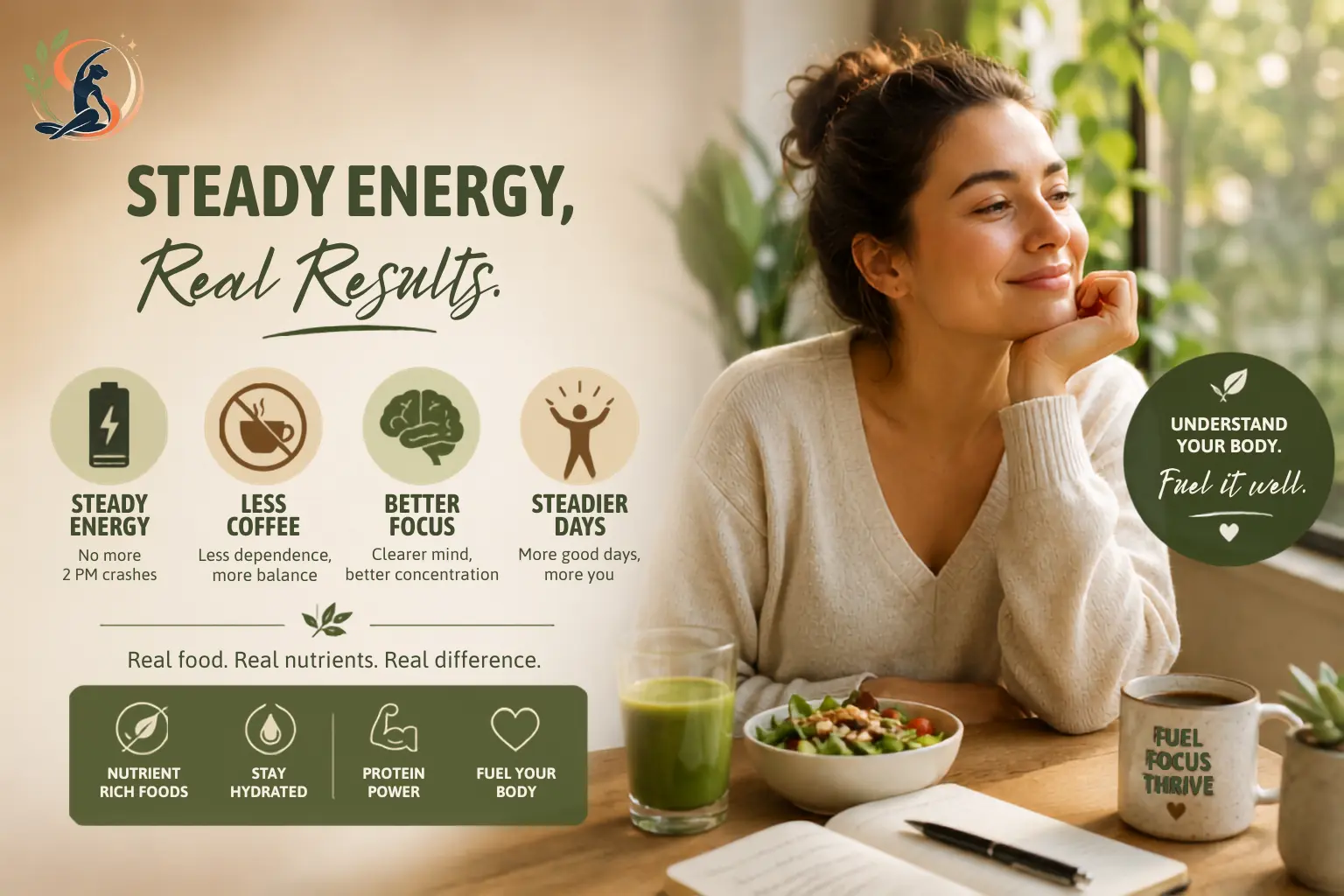
I'm not superhuman now, still get tired some afternoons, still need actual sleep to function like every normal person does. But the baseline shifted noticeably. Foods that give you energy through steady mechanisms, magnesium, iron, protein pairing, hydration, became less of a diet trend for me and more just how I eat by default now.
The biggest shift honestly wasn't physical, it was mental. I stopped blaming myself for afternoon crashes and started actually investigating the biochemistry behind them instead. Understanding why my body felt drained changed how I approached fixing it completely, replacing guilt with genuine curiosity about what my body actually needed nutritionally.
Summary
Chronic afternoon fatigue often traces back to blood sugar spikes, magnesium deficiency, low iron and mild dehydration rather than laziness or willpower failure. Foods that give you energy sustainably, like nuts, leafy greens, lean protein and slow-releasing carbs, work by stabilizing blood sugar and supporting cellular energy production directly. Small consistent swaps beat caffeine dependence long-term for genuinely steady energy throughout your day.
Frequently Asked Questions
1. What are the best foods that give you energy without causing a crash later?
Foods pairing protein or fiber with natural carbohydrates work best, like Greek yogurt with berries, nuts with fruit or eggs with whole grain toast. These combinations slow glucose release into your bloodstream, avoiding the spike-and-crash pattern that sugary snacks or refined carbs typically create within an hour or two.
2. Can dehydration really cause fatigue even if I'm eating well otherwise?
Yes, definitely. Even mild dehydration forces your heart to work harder, draining energy independently of diet quality entirely. Research confirms low fluid levels contribute directly to fatigue symptoms. Pairing proper hydration with foods that give you energy matters more than focusing on nutrition or water intake alone separately.
3. How does magnesium deficiency specifically contribute to feeling tired all the time?
Magnesium binds directly to ATP, your cells' primary energy molecule and low magnesium slows cellular energy production significantly. This creates persistent fatigue that caffeine can't fix, since the problem is production capacity, not stimulation. Pumpkin seeds, spinach and almonds are excellent magnesium-rich foods that give you energy.
4. Is coffee actually bad if I'm trying to eat better foods that give you energy?
Not inherently bad in moderation, research shows caffeine offers legitimate short-term benefits including antioxidant properties. The issue arises when coffee becomes a substitute for addressing underlying nutritional gaps like iron or magnesium deficiency. Use it as a supplement to good nutrition, not a replacement for it.
5. Why do women need more iron than men for consistent daily energy levels?
Women lose iron monthly through menstruation, requiring roughly 18mg daily compared to 8mg for men in similar age ranges. Iron deficiency reduces oxygen transport throughout your body, causing fatigue and difficulty concentrating specifically. Spinach, lentils and red meat paired with vitamin C improve absorption of these foods significantly.
6. How long does it typically take to notice real energy improvements from dietary changes?
Many people notice initial shifts within one to two weeks of consistently choosing foods that give you energy through slow glucose release and adequate mineral intake. Full stabilization, including reduced afternoon crashes and steadier mood, often takes around two months of consistent habits before becoming genuinely reliable daily.
Conclusion
For years I thought my afternoon crashes meant something was wrong with my discipline, not my diet. Turns out foods that give you energy work through actual measurable mechanisms, magnesium powering cellular fuel production, iron carrying oxygen, protein slowing digestion and once I understood that, guilt turned into curiosity pretty fast. I'm not perfect about this, still reach for coffee some mornings out of habit more than need. But understanding the why behind fatigue changed everything about how I approach fixing it, one genuinely small swap at a time.


Comments (0)
No comments yet. Be the first to share your thoughts!
Leave a Comment