
You don't need a yoga retreat in Bali to feel calm for ten minutes a day. A quiet corner of your garden or even a small spot in your bedroom, can do the same job if you set it up right. That's really what garden meditation comes down to. Using the plants, sounds and open air already around your home to create a place your mind actually wants to slow down in.
This guide walks through both sides of it. Building a proper garden meditation space outdoors and creating an indoor meditation room for the day's weather or time won't let you step outside. By the end, you'll have a clear plan for either one or both, depending on what your home allows.
What Is Garden Meditation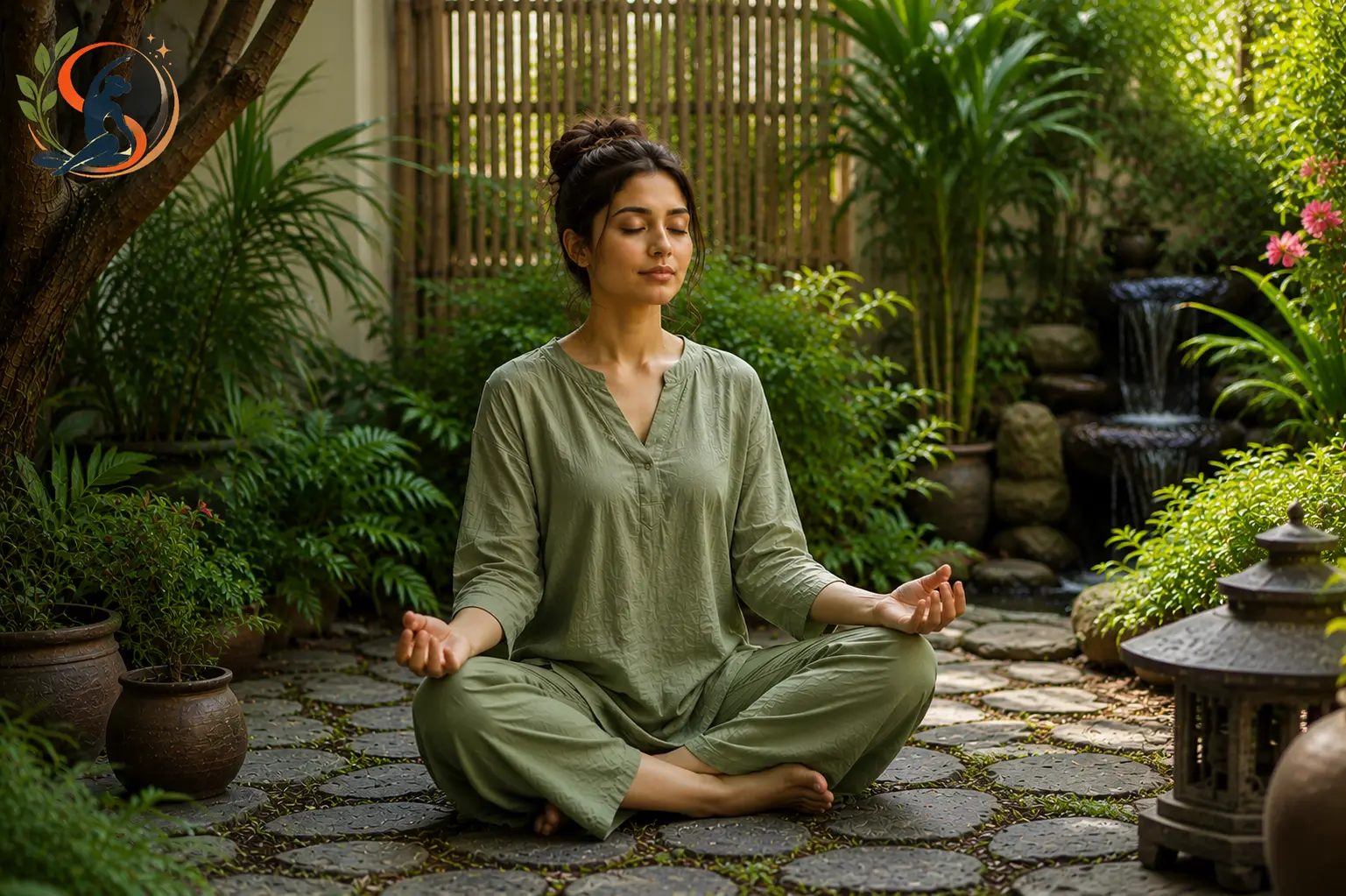
Garden meditation is simply meditating outdoors, using your own outdoor space as the setting instead of a cushion on your living room floor. Instead of blocking out the world with closed eyes and silence, you lean into it. The rustle of leaves, the smell of soil after rain, sunlight moving across your skin. All of it becomes part of the practice instead of a distraction from it.
What Is a Meditation Garden, Really
A meditation garden is a dedicated outdoor space built specifically for this kind of practice. It's usually small, quiet and set apart from the rest of the yard, even if that separation is just a hedge or a low fence. Think of it less like a garden you show off to guests and more like a private room that happens to have grass instead of a floor.
What Is Nature Meditation
Nature meditation is a slightly broader term. It covers any meditation practice done in a natural setting, whether that's your backyard, a nearby park or a trail. Garden meditation is really just nature meditation brought home, where you control the plants, the layout and the privacy instead of relying on a public space.
Why Bother Building a Meditation Space at All
You could meditate anywhere, technically. So why go through the trouble of designing a space for it?
Because having a dedicated spot removes friction. If you have to drag out a cushion and find a quiet corner every single time, you'll skip it on busy days. A space that's already set up, whether it's a garden bench or a folded blanket in the corner of your bedroom, cuts that decision out entirely. You just sit down and start.
There's also something to be said for the psychological cue a dedicated space creates. Sit in the same spot often enough and your brain starts associating it with calm before you even close your eyes. That's not a stretch. It's the same reason a bed feels sleepy and a desk feels like work.
Can Gardening Be a Form of Meditation
Yes and this one surprises people the first time they hear it. Weeding, watering and pruning all involve repetitive, focused movement, which is a lot of what formal meditation is trying to train anyway. Plant meditation, in this sense, isn't about sitting still next to your tomatoes. It's about giving your full attention to the task in front of you instead of letting your mind wander off to your inbox.
Pulling weeds becomes a chance to notice texture and resistance instead of rushing to finish. Watering becomes a moment to focus on sound and motion instead of scrolling your phone with the hose in one hand. None of this requires extra time carved out of your day. It just asks you to actually pay attention to gardening you were probably already doing.
How Much Space Do You Need to Meditate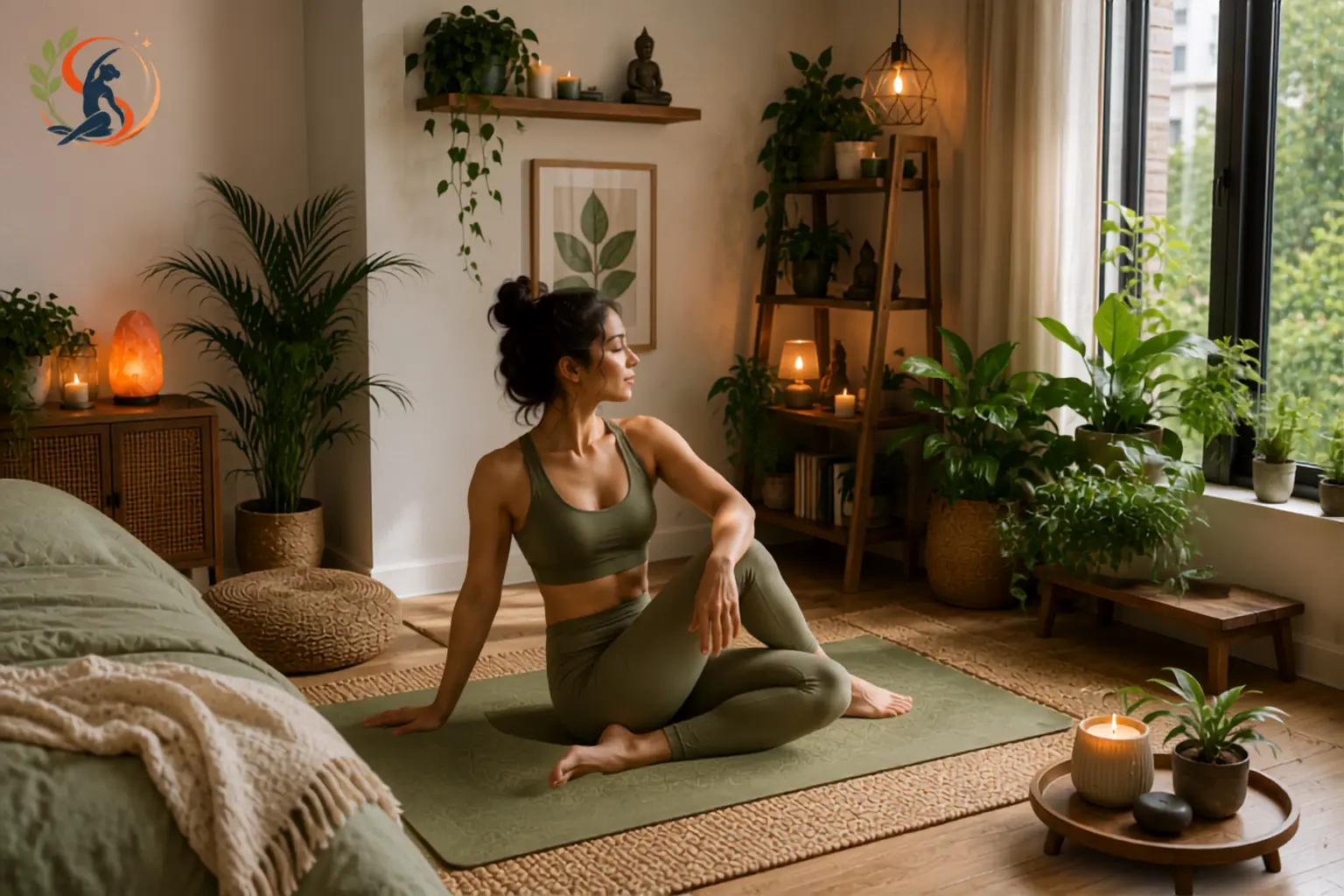
Less than most people assume. A comfortable seated position with a little room to stretch your legs is genuinely enough. Somewhere around four feet by four feet gives you space to sit, adjust and not feel boxed in, whether that's a garden nook or a corner of a spare room.
Small Space Meditation Setup
If you're working with a studio apartment or a tiny balcony, don't let the size put you off. A folded blanket, one cushion and a single plant can do more for your practice than an elaborate room with too much stuff in it. Corners work particularly well, since two walls already give you a sense of enclosure without adding any furniture at all.
Meditation Corner Ideas for Tiny Homes
A windowsill with a small potted plant and a candle. A folded futon in the corner of a bedroom. Even a spot at the end of a hallway, if it's quiet and gets a bit of natural light. The goal isn't square footage. It's consistent and a sense that this particular spot is different from the rest of the room.
What Makes a Good Meditation Room
A good meditation room isn't about how much you spend on it. It comes down to a handful of things done well.
Choosing the Location: Meditation Bedroom or a Dedicated Room
If you have a spare room, that's ideal, since a dedicated meditation room stays untouched by daily clutter. Most people don't have that luxury, so a meditation bedroom setup, a designated corner of the bedroom kept simple and calm, works just as well.
Keep it away from the side of the room dominated by a TV or desk if you can. You want your eyes to land on something calming the moment you sit down, not a pile of laundry or an inbox notification.
Calming Room Design Basics
Stick to a simple palette. Soft neutrals, warm woods and muted greens tend to work better than bright, busy colors. Natural light helps enormously if you have it and if you don't, warm-toned lighting is the next best thing. Keep the floor clear. Clutter pulls your attention the same way a ringing phone does and a meditation space is meant to do the opposite.
Designing Your Meditation Garden Outdoors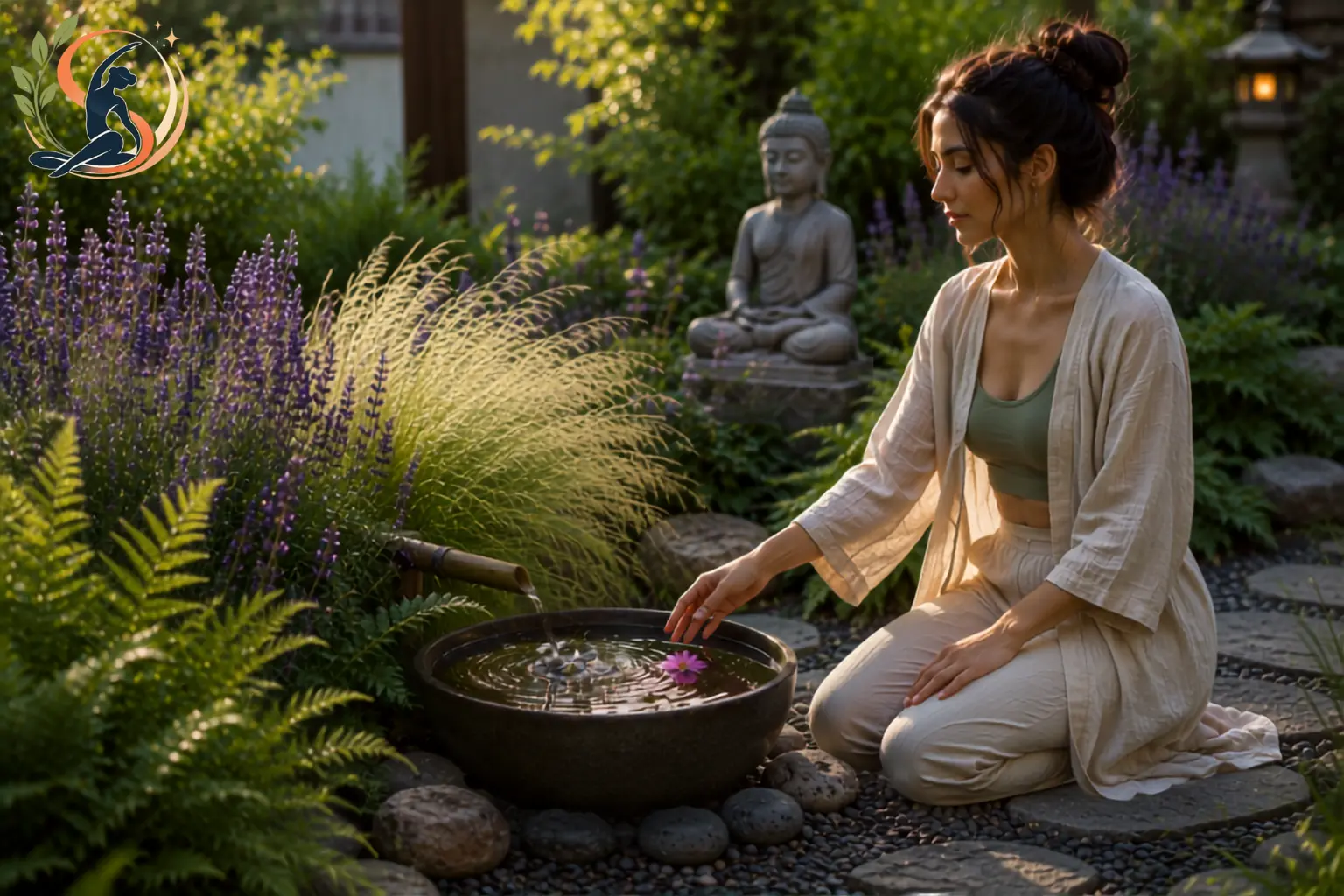
If you have any kind of yard, patio or even a decent-sized balcony, an outdoor meditation garden gives you something an indoor room never quite can, which is the changing light, sound and air of an actual living space around you.
Choosing the Right Plants for Meditation
Pick plants with a purpose, not just ones that look nice in photos. Lavender and rosemary bring a calming scent close to where you're sitting. Ferns and moss add softness underfoot and a sense of shelter. Ornamental grasses move gently in the wind and add a quiet rustling sound without you doing anything at all.
If your climate allows it, a small potted bonsai or a slow-growing shrub gives the space a living focal point that changes subtly with the seasons. Choose low-maintenance varieties suited to your climate. A meditation garden that demands constant upkeep just becomes another chore, which defeats the entire point of it.
Water, Sound and Sensory Elements
Water is close to a non-negotiable in most meditation garden designs and for good reason. Even a small tabletop fountain or a simple bowl of water adds a soft trickling sound that helps mask traffic noise or neighbors, while giving your eyes somewhere pleasant to rest. If a full water feature isn't practical, a wind chime or a cluster of ornamental grasses achieves something similar with almost no upkeep.
Texture matters more than people expect too. Smooth river stones underfoot, a gravel path that crunches gently as you walk or a wooden bench worn soft with age all add a sensory environment that keeps your attention anchored in the present rather than drifting.
Meditation Room and Garden Essentials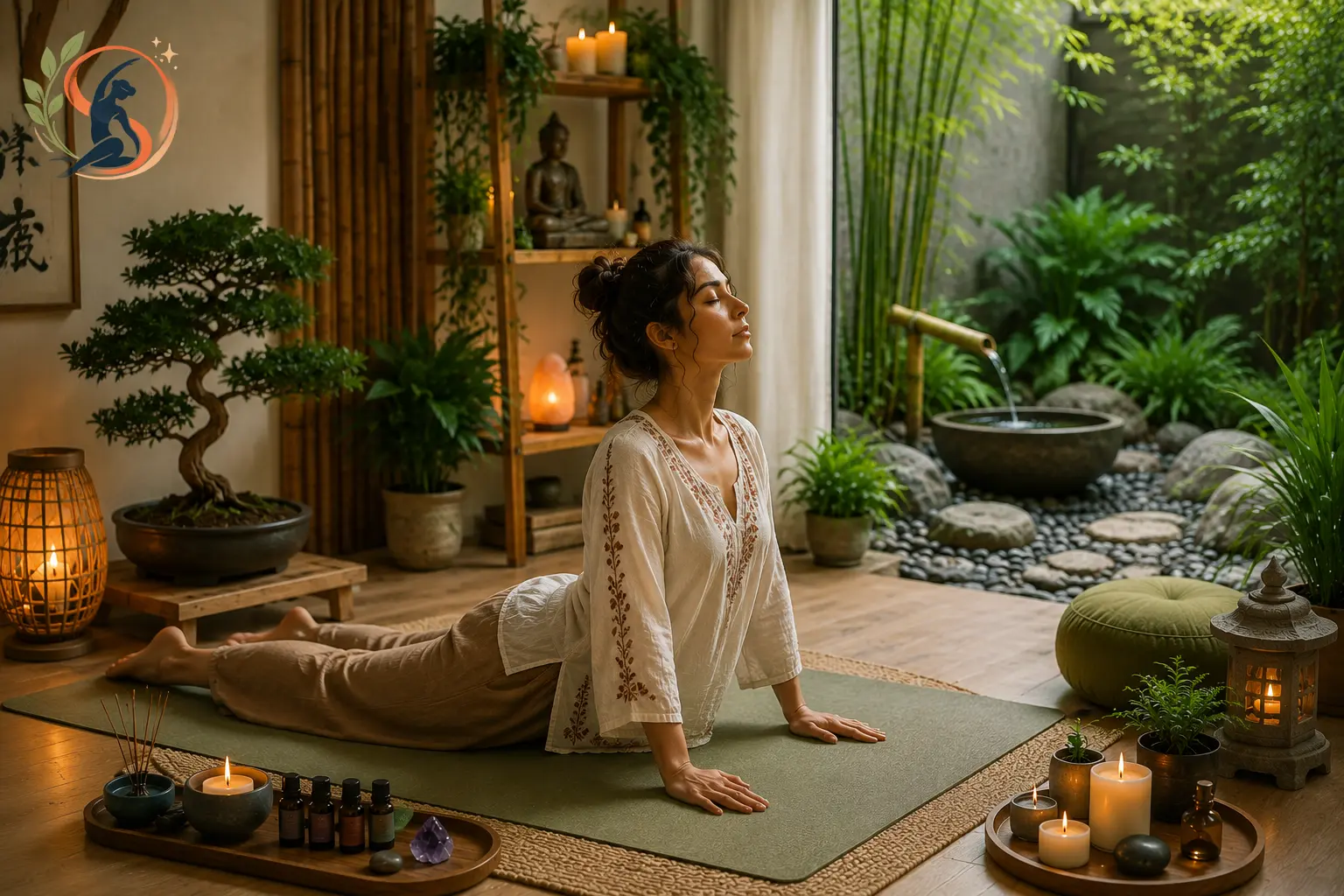
Whether you're setting up indoors or outdoors, a handful of items show up again and again in spaces that actually get used. For readers drawn to more structured practice once the space is built, Sahasrara chakra meditation is worth exploring next.
A meditation pillow or cushion, since sitting on a hard floor for more than a few minutes distracts more than it helps
A meditation bench, a good low-effort option if cross-legged sitting isn't comfortable for your knees or hips
Meditation candles, for evening sessions or simply to mark the start of practice with a small ritual
A meditation bowl, whether a singing bowl or a simple decorative one filled with water, for a soft focal sound
A steel tongue drum for meditation, an increasingly popular option since its warm, layered tones are gentle enough not to jar you out of focus
A meditating Buddha statue or another meaningful symbol, if that fits your practice, placed somewhere you'll naturally look during a session
Meditation stones, stacked or simply placed nearby, often used as a small physical reminder of stillness
None of these are required. A meditation altar built around two or three of these pieces, kept simple and uncluttered, tends to work better than a shelf crowded with everything at once.
If a meditation pod (an enclosed, semi-private structure some people install in a garden or larger room) fits your budget and space, it's a good option for blocking out noise and creating full privacy, though it's very much optional rather than essential.
Common Mistakes to Avoid
Overdesigning the space is a common one. It's tempting to buy every item on a meditation essentials list at once, but a cluttered altar or an overstuffed garden corner works against the calm you're trying to create.
Choosing a spot purely for looks, rather than quiet, is another. A beautiful corner of the garden right next to a busy street won't do you much good if you can't hear yourself think over passing traffic.
Skipping consistency is probably the biggest one. A perfectly designed space used once a month does less for you than a plain corner used daily. The design matters, but showing up matters more.
How to Meditate in the Garden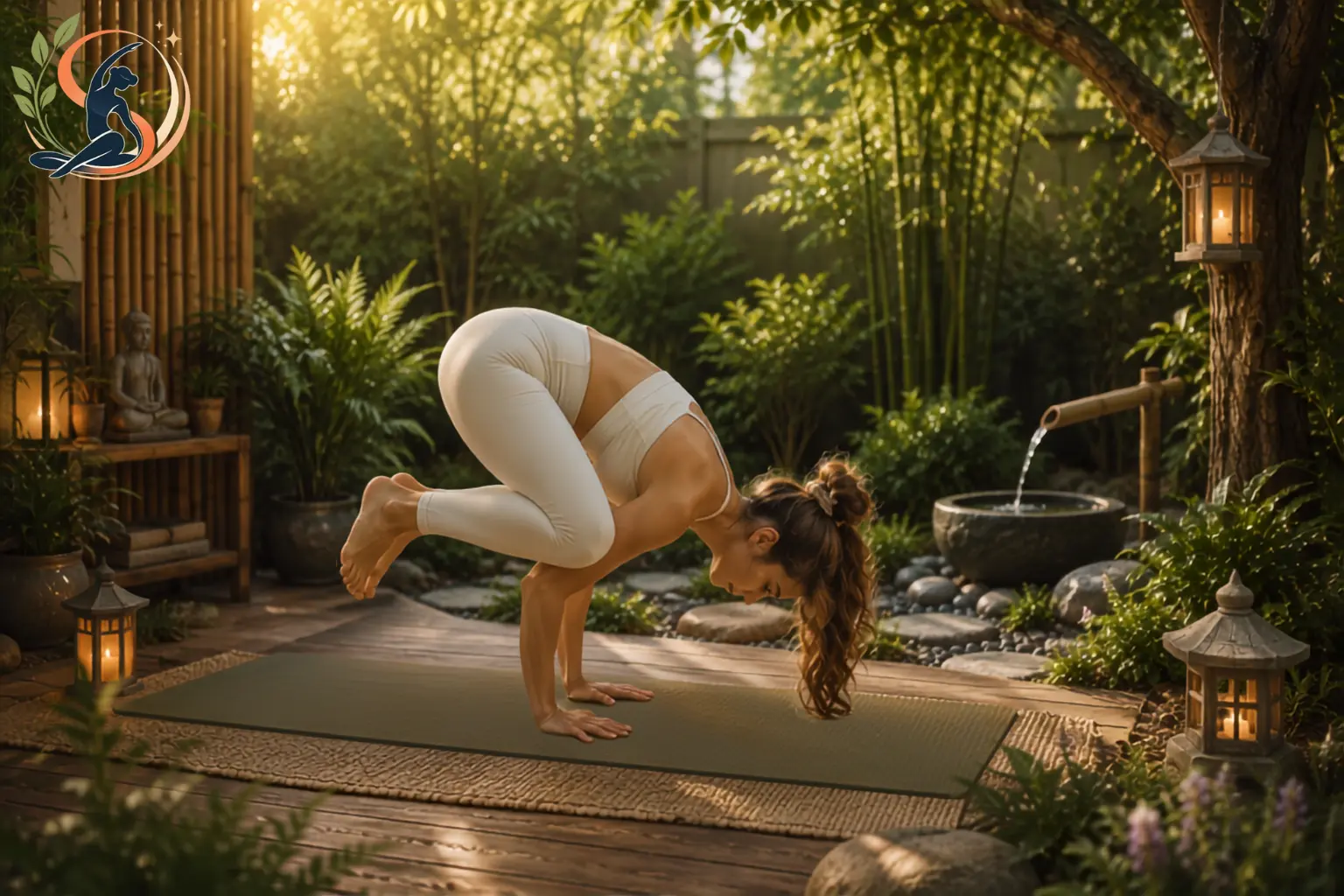
Start by finding a spot that already feels a little separate from the rest of the yard, even if it's just a corner near a hedge or a tree. Sit comfortably, on a cushion, bench or even just the grass if the weather allows it.
Close your eyes or keep them softly open if you'd rather stay visually connected to the space. Begin with your breath, then slowly widen your attention to what's actually around you. The sound of leaves. Birdsong. The temperature of the air on your skin. Let your mind rest on these instead of chasing thoughts as they show up.
There's no fixed length that works for everyone. Ten minutes is plenty to start and you can build from there as it becomes a more natural part of your routine. Once the space is set up, this guided meditation script for beginners gives an actual sequence to follow once you sit down.
Frequently Asked Questions
1. What do I need for a home meditation space?
Just a comfortable place to sit, a bit of privacy and something calming to look at, whether that's a plant, a candle or a simple altar. Extras like a meditation bench, singing bowl or steel tongue drum can enhance the space, but none of them are required to start.
2. How much space do you need to meditate?
Around four feet by four feet is plenty for comfortable seating and a little room to adjust. A small corner, a windowsill nook or a quiet garden spot all work fine. It's less about square footage and more about finding somewhere that feels separate from daily distractions.
3. What makes a good meditation room?
A good meditation room is simple, uncluttered and away from screens or daily chores. Soft colors, natural light and one or two meaningful objects like a cushion or small altar tend to work better than a room packed with decor or distractions.
4. How do you meditate in the garden?
Find a quiet spot, sit comfortably and start with your breath. Slowly widen your focus to the sounds, smells and textures around you, like rustling leaves or the warmth of the sun. Ten minutes is a good starting point before building up to longer sessions.
5. What is a meditation garden?
It's a small, dedicated outdoor space designed specifically for stillness and reflection, often using plants, water and natural materials to create a calm, separate feel from the rest of the yard. It doesn't need to be large or elaborate to work well.
6. Can gardening be a form of meditation?
Yes. Repetitive tasks like weeding, watering and pruning naturally encourage focused attention, which is a lot of what formal meditation trains anyway. Approaching these tasks mindfully, rather than rushing through them, turns ordinary gardening into a genuine mindfulness practice.
Conclusion
A meditation space, garden or indoor, doesn't need to be expensive or elaborate to work. What it needs is a spot that feels a little separate from the rest of your day, a few thoughtful touches that appeal to your senses and the willingness to actually sit down in it regularly. Start small, with one plant, one cushion or one quiet corner of the yard and build from there as your practice grows. The space will keep working for you long after the setup is done.


Comments (0)
No comments yet. Be the first to share your thoughts!
Leave a Comment