
Typed in "sahasrara chakra meditation" because you want to actually know what you're doing before you sit down and try it? Good instinct. Most people just close their eyes, hope something happens and then wonder why nothing did. Kind of hard to blame them, nobody really explains this stuff clearly.
Quick version, before we get into everything else. Sahasrara is the crown chakra. Seventh and final one in the system, sitting right at the top of the head. Considered the most advanced of the seven and that's exactly why it helps to know where it sits in the bigger picture first. Not much use jumping straight in with zero context.
This guide covers all seven chakras, but it spends real time on Sahasrara specifically, since that's probably what brought you here. What it actually is. How to meditate on it. The mantra people use. And what tends to happen once it starts opening up, at least according to folks who've been doing this a while and aren't just guessing.
What Are the 7 Chakras and Where Does Sahasrara Fit In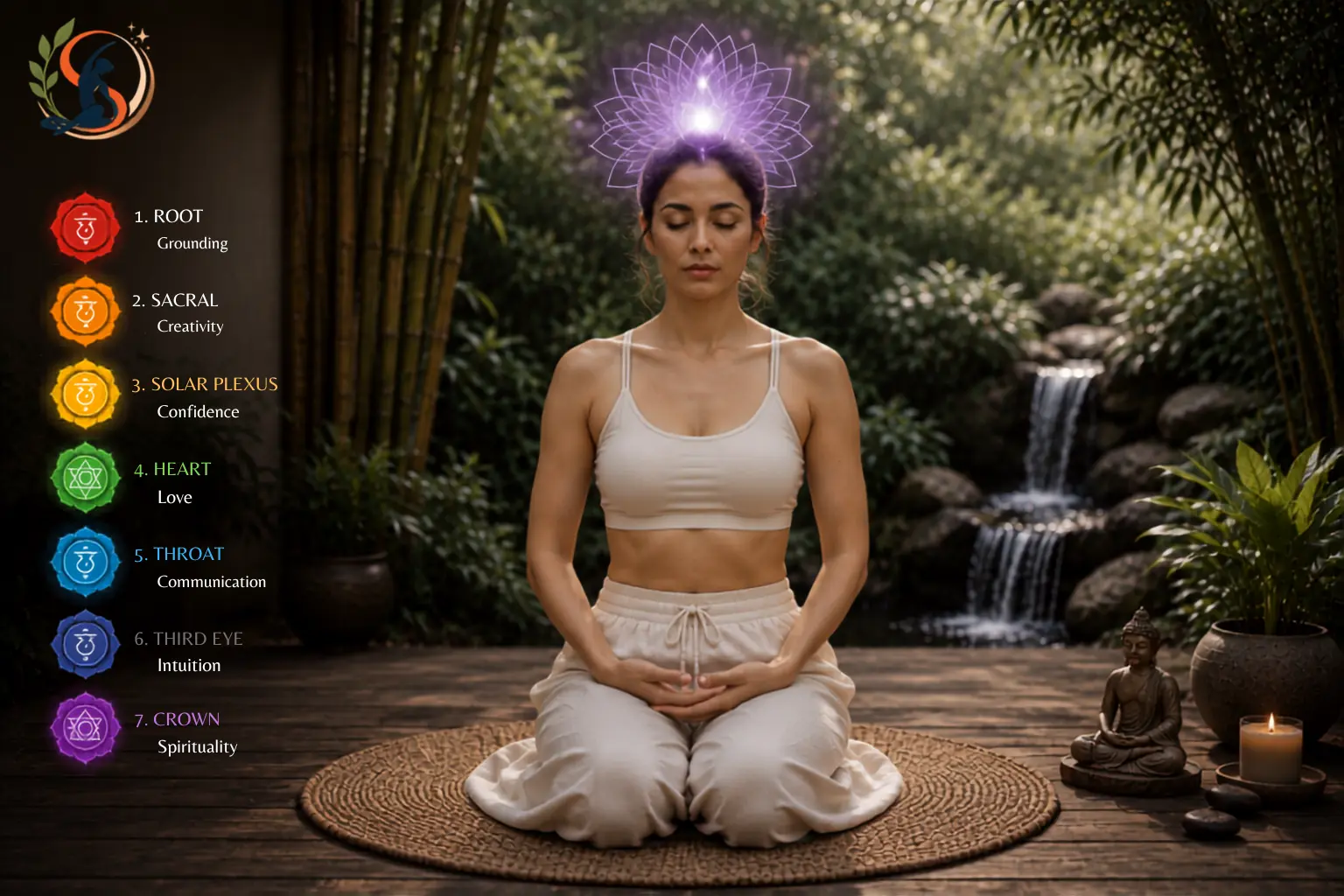
In yogic tradition, chakras get described as energy centers running along the spine, starting at the base and ending right at the top of the head. Each one ties to a different piece of physical, emotional or spiritual life, depending who you ask.
None of this is something modern medicine measures directly, worth saying plainly right up front. But it's a framework yoga and meditation traditions have leaned on for centuries. Plenty of people genuinely find practical value working with it, whether or not they take every part of it literally.
The 7 Chakras in Order
Starting from the base and moving up. Root, Muladhara. Sacral, Svadhisthana. Solar Plexus, Manipura. Heart, Anahata. Throat, Vishuddha. Third Eye, Ajna. Crown, Sahasrara, right at the very top. This last one's considered the point where the other six sort of culminate. If that's even the right word for it, honestly not sure there's a perfect one.
Chakra Colors and Meanings, the Fast Version
Each chakra traditionally gets linked to a color running roughly through the rainbow. Red at the root, working up to violet or white at the crown. Root's red, tied to grounding. Sacral's orange, tied to creativity. Solar plexus is yellow, tied to confidence.
Heart is green, love and connection. Throat is blue, communication. Third eye is indigo, intuition. Crown is violet, sometimes shown as white, tied to spiritual connection and a broader kind of awareness the other six don't really touch.
What Is the Sahasrara Chakra, Really
Sahasrara means "thousand-petaled" in Sanskrit. Reference to the image of a thousand-petaled lotus, basically the visual symbol for this whole energy center. Sits right at the top of the head. Consider the seat of pure awareness, unity and connection to something bigger than just you, however you want to frame that for yourself personally.
Location and Meaning of the Crown Chakra
Unlike the other six, which tie to pretty specific themes like fear, creativity or communication, the crown chakra ties to consciousness itself. Less about one particular life area. More about your overall sense of connection and stillness underneath everything else going on, whatever that everything else happens to be for you right now.
Subtle Body Anatomy, Explained Simply
The chakra system is part of what's often called the subtle body. A layer of the self yogic tradition describes it as separate from, but connected to, your physical body. Kind of like an energetic map layered right over your physical one, if that helps picture it at all. You won't find chakras on an MRI, obviously.
But plenty of practitioners describe genuinely noticeable shifts once they work with this consistently for a while. Which is more than nothing, whatever your stance on the underlying theory.
How Do You Know If a Chakra Is Blocked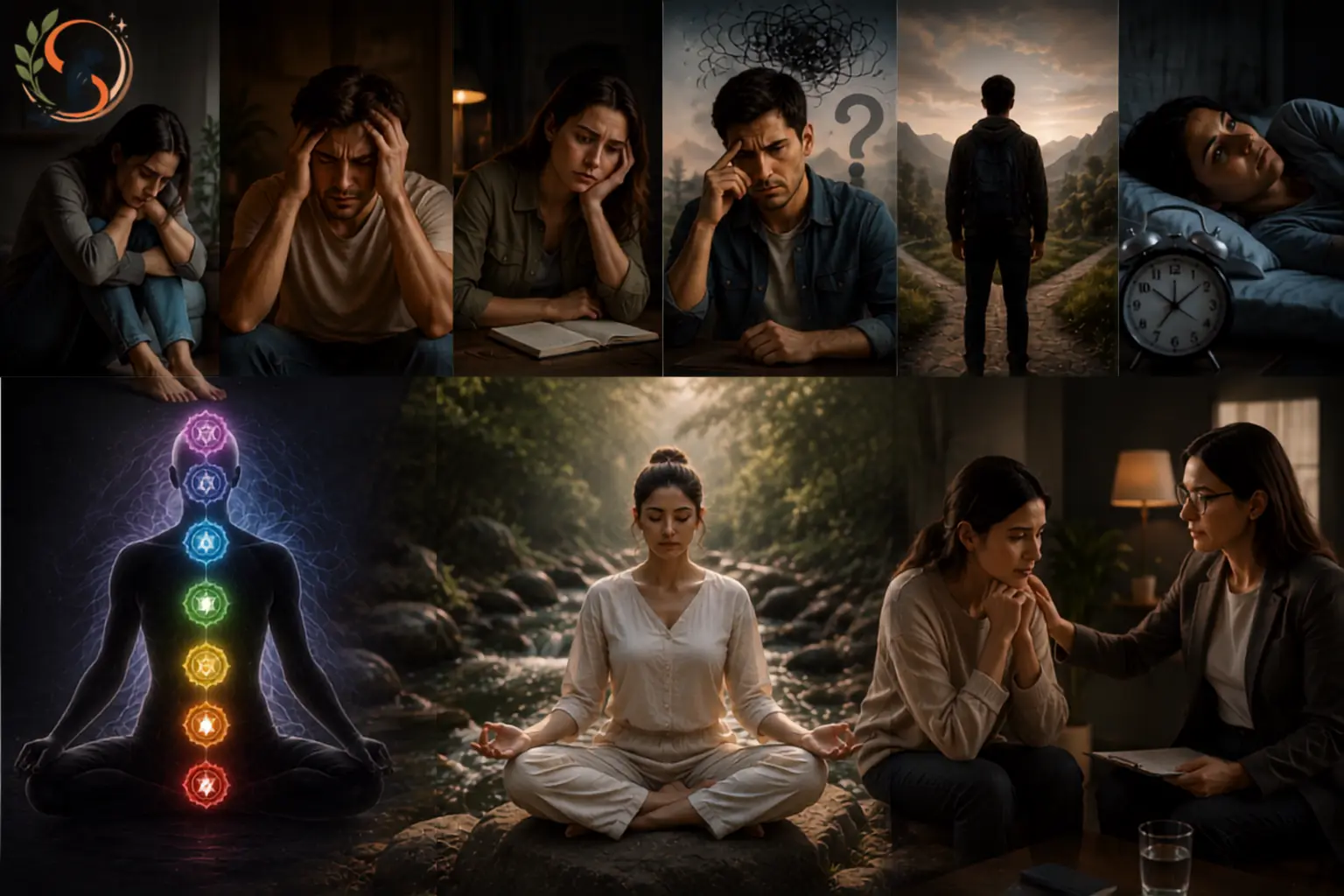
Chances are you're here because something feels off and you're trying to trace where it's actually coming from. Totally normal reason to land on this question, probably the most common one people have. Blockage generally means a chakra isn't running at full capacity. Either too much energy piling up or not enough getting through at all.
Chakra Blockage Symptoms Across the System
Lower chakras tend to show up as more physical or emotional stuff. A blocked root chakra might feel like anxiety or just being ungrounded generally, hard to pin down exactly. A blocked throat chakra often shows up as trouble saying what you actually mean, even to people you trust the most.
Move up the system and blockages get less physical, more mental or spiritual. Confusion. A nagging disconnection. Trouble finding any real sense of purpose some mornings, the kind that's hard to explain to someone else.
Beginners newer to sitting practice in general may want to start with this guided meditation script before layering in chakra-specific work.
Signs Specific to a Blocked Crown Chakra
For Sahasrara specifically, people commonly describe mental fog, spiritual disconnection, trouble sleeping and a general drifting-without-direction feeling. Some mention headaches. Or that restless overthinking that just won't quiet down no matter what you try, three in the morning included.
One honest thing worth saying here and it actually matters more than most of this article. If what you're dealing with includes something more serious, disconnection from reality, ongoing dissociation or thoughts of harming yourself, meditation alone isn't going to fix that. That calls for a doctor or a mental health professional.
Not just a chakra practice, no matter how consistent you are with it. Zero shame in needing both spiritual practice and real clinical support at the same time. Plenty of people need exactly that.
How to Meditate on Your Crown Chakra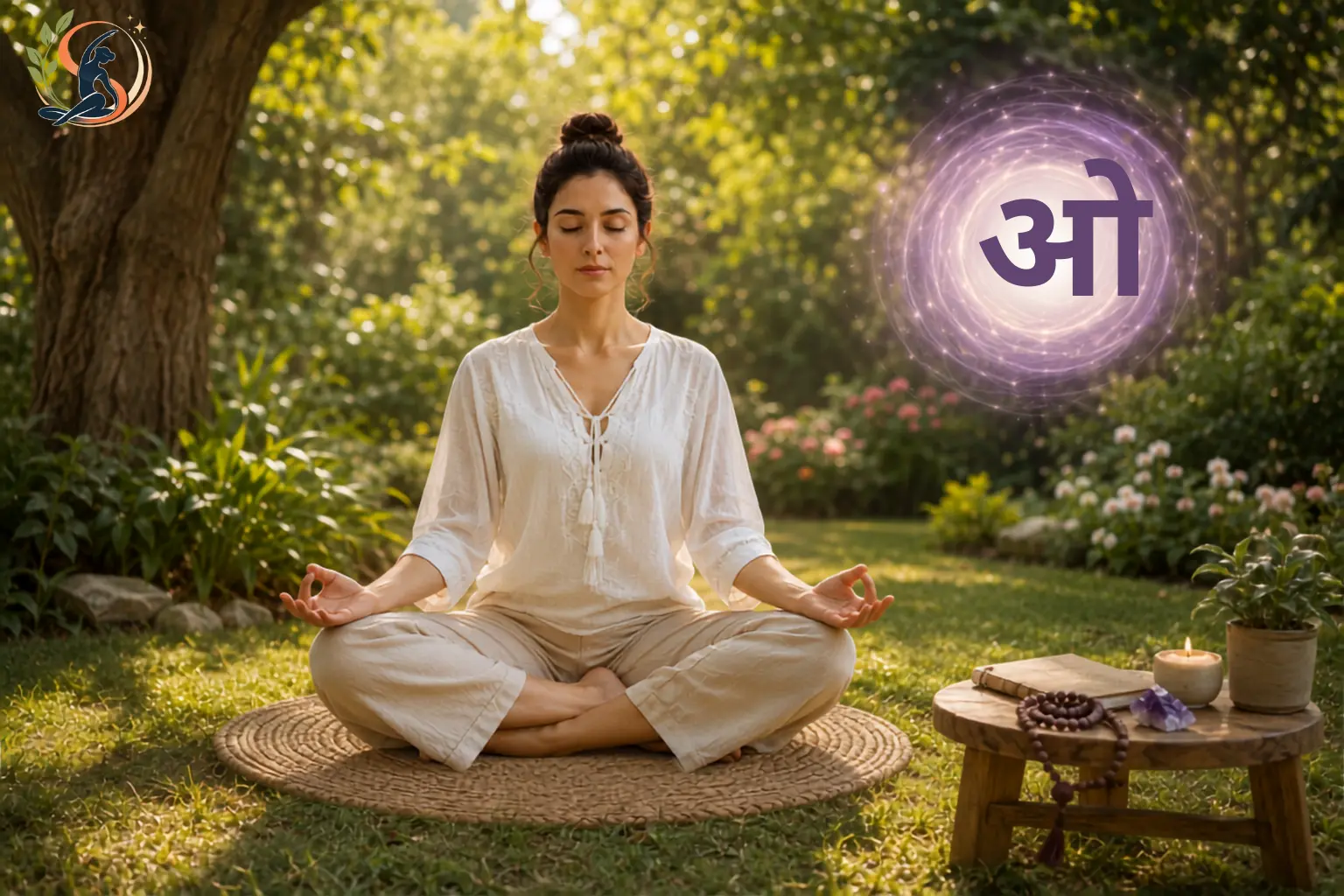
If you searched for this part specifically, you probably just want the actual steps, not more background theory. Fair enough, here they are. Crown chakra meditation is simpler than it sounds, though it takes a bit of getting used to since it leans more on stillness than active visualization.
A Simple Sahasrara Meditation Sequence
Sit comfortably, spine straight. Cross-legged on the floor, upright in a chair, whatever actually works for your body today, not what worked yesterday necessarily. Close your eyes and let your breathing settle into its own rhythm without forcing anything. Bring your attention to the crown of your head and imagine or just sense, a soft light or gentle opening right at the very top of your skull.
Some practitioners use a hand gesture for this. Touching the tips of the index and middle fingers to the thumb, then raising both hands a few inches above the head. Totally optional, skip it if it feels awkward. A lot of people find it just helps anchor their attention somewhere specific instead of drifting off to their grocery list.
Stay here for a few quiet minutes. Let thoughts pass through without chasing after them, easier said than done some days. Unlike lower chakra meditations, which lean on more active visualization, crown chakra work leans hard on silence and just being present with whatever's actually there in the moment.
The Mantra for the Sahasrara Chakra
Traditional sound tied to the crown chakra is "Om" or "Aum," chanted out loud or silently in the mind, whichever feels right to you personally. Some traditions describe this as the closest sound to true silence, since it's only meant to be fully heard once the mind's actually quieted down first. You don't need to chant it loudly.
Don't need perfect pronunciation either, nobody's grading this. A few soft repetitions or even just holding the intention of the sound in your mind, works fine for most people just starting out.
How Long Should This Actually Take
No fixed rule here, whatever anyone online tells you with total confidence. Many teachers suggest starting with 5 to 10 minutes focused on the crown, building from there as it feels right for you. Consistency matters more than duration, in almost every case I've come across in this space. A short daily practice tends to beat one long session done every once in a while when you remember to.
What Happens When Your Crown Chakra Opens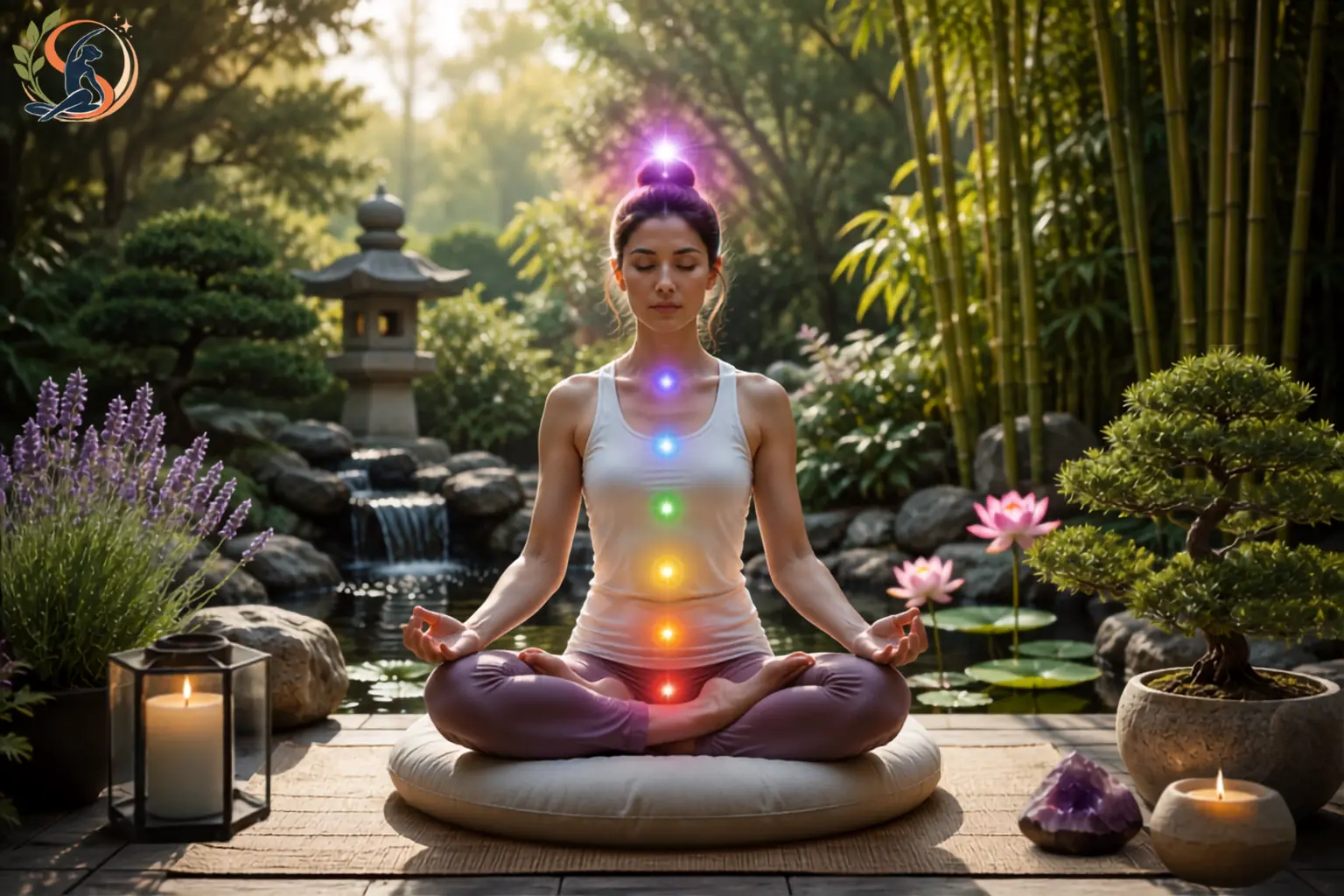
People describe this pretty differently depending on their own experience and that's kind of the honest answer right there. Worth taking these as commonly reported feelings, not some guaranteed outcome you're owed just for showing up a few times.
Benefits People Commonly Report
A lot of practitioners describe mental clarity, less anxiety and a stronger sense of purpose after sticking with crown chakra work for a while, not overnight. Others mention better sleep and a general calm that carries into daily life outside the meditation itself, into arguments, traffic, whatever.
None of this replaces medical or psychological treatment where that's genuinely needed, worth repeating. But as a complementary practice, plenty of people find real value here, for whatever that's worth to you specifically.
What People Commonly Describe Feeling
Some describe warmth or tingling at the top of the head. Others describe something quieter. Less a dramatic sensation, more a gradual sense of being less reactive to daily stress than they used to be, which honestly sounds less exciting but might matter more day to day. Both count as normal here. No single correct way it's supposed to feel, whatever certain corners of the internet might insist with total certainty.
Working With the Other Six Chakras
Sahasrara doesn't really work in isolation, it turns out, no matter how tempting it is to skip straight to the top. Most traditional teaching suggests the lower chakras deserve some attention first, since a shaky foundation just makes it harder to settle into crown-level stillness down the line.
Root Chakra Balancing First
Root chakra balancing usually comes first in sequential practices, since this one governs your basic sense of safety and stability, the stuff everything else sits on top of. Simple grounding stuff. Sitting with bare feet on the ground or focusing on slow, deep breathing, common starting points before moving further up.
Solar Plexus Chakra Meditation for Confidence
Solar plexus chakra meditation focuses on personal power and confidence. Often involves picturing a warm yellow light at the stomach area while holding a simple affirmation about self-worth or capability, nothing fancy required. Tends to resonate hard with people working through self-doubt or just general uncertainty about daily decisions that shouldn't feel this hard.
Throat Chakra Meditation for Honest Expression
Throat chakra meditation centers on communication and actually saying what you mean, out loud, to the people it's meant for. Common approach involves gently humming or chanting while placing attention at the base of the throat, which some practitioners find releases tension tied to things left unsaid for way too long.
Bringing It All Together as a Daily Practice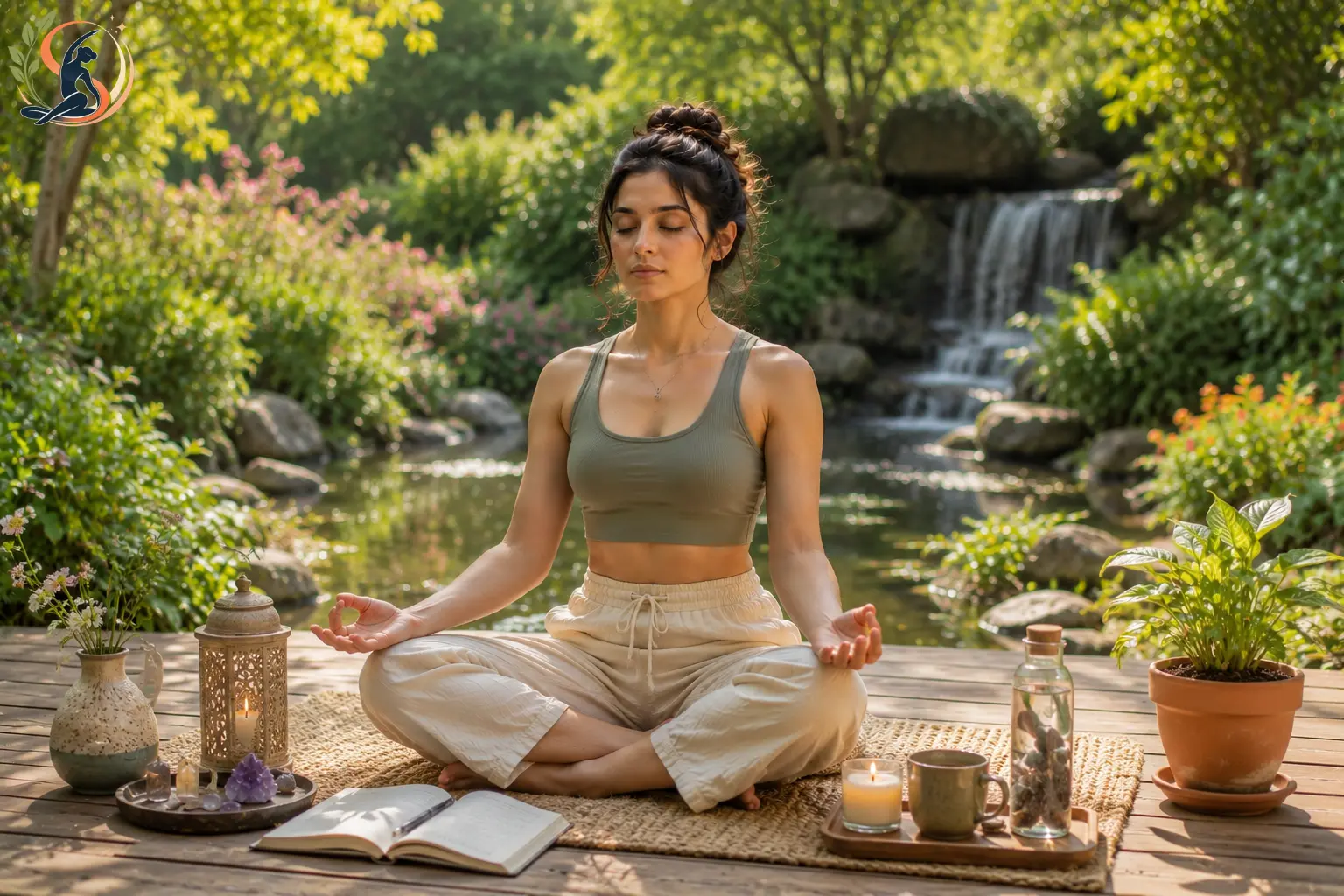
Having a consistent spot to sit also matters here see this guide to building a garden meditation space at home.
Building a Routine You'll Actually Keep
You don't need to meditate on all seven chakras every single day to get value here, that's a myth worth dropping early. A lot of practitioners rotate, spending a few days on the lower chakras, working their way up toward Sahasrara by the end of the week.
Others just focus on whichever chakra feels most relevant that particular day, based on how they're actually feeling that morning, not some rigid schedule.
A Few Mistakes Worth Avoiding
Rushing straight to crown chakra work without any grounding first is a common one, tempting as it is. Often leaves people feeling scattered rather than centered, which kind of defeats the whole point of doing this. Expecting dramatic, instant results is another trap people fall into pretty easily.
Like most meditation, chakra work tends to build gradually, not deliver some overnight transformation you can point to the next morning. And treating this system as a replacement for medical or mental health care, instead of a practice alongside it, is worth steering clear of too. Both things can be true at once and usually are.
Frequently Asked Questions
1. How do you know if a chakra is blocked?
Common signs include physical discomfort, emotional imbalance or a general sense of stuckness tied to that chakra's theme. Lower chakras tend to show physical symptoms, while higher chakras like the crown often show up as mental fog or a lack of direction.
2. What are the 7 chakras in order?
From base to crown: Root, Sacral, Solar Plexus, Heart, Throat, Third Eye and Crown or Sahasrara. Each one builds on the last, moving from physical survival needs at the bottom to spiritual awareness right at the top of the head.
3. How long does chakra meditation take?
Most teachers suggest starting with 5 to 10 minutes per session, especially for the crown chakra. Consistency across days tends to matter more than how long any single session lasts, so a short daily habit usually beats one long occasional session.
4. What are the benefits of Sahasrara chakra meditation?
Practitioners commonly report improved mental clarity, reduced anxiety, better sleep and a stronger sense of purpose. These are widely reported experiences rather than guaranteed outcomes and this practice works best alongside, not instead of, any medical care you already need.
5. What is the mantra for the Sahasrara chakra?
The traditional sound is "Om" or "Aum," chanted softly aloud or silently in the mind. It doesn't need to be loud or perfectly pronounced. A few gentle repetitions while sitting quietly is enough for most people starting out.
6. What happens when your crown chakra opens?
People describe a range of experiences, from a warm sensation at the top of the head to a subtler, gradual sense of calm and reduced reactivity to stress. There's no single correct experience and both dramatic and quiet shifts are considered normal.
Conclusion
Sahasrara chakra meditation isn't really about chasing some dramatic spiritual event, however it gets marketed sometimes. It's a quiet, consistent practice that rewards patience more than intensity, most of the time anyway. Start with just a few minutes at the crown. Use the mantra if it feels right for you, skip it if it doesn't.
Build up gradually instead of all at once. Whether or not you take the energy-center framework literally, the stillness this practice cultivates is worth something on its own. That part, at least, is hard to argue with, whatever else you believe about the rest of it.


Comments (0)
No comments yet. Be the first to share your thoughts!
Leave a Comment