
I put feta on basically everything for a solid year before I ever bothered checking what was actually in it, salads, eggs, straight off a fork standing at the fridge at midnight, honestly no shame at all about any of it.
Feta cheese nutrition is one of those things people assume they understand just because the cheese feels healthy by being white, crumbly and Mediterranean-coded, but the funny thing is, the actual feta cheese nutrition numbers surprised me the first time I sat down and looked them up properly. This isn't going to be some sterile label recap either, I promise you that much.
Salty, tangy, weirdly addictive and it turns out there's a whole lot more going on nutritionally than most people ever give feta cheese nutrition credit for.
What Feta Cheese Actually Is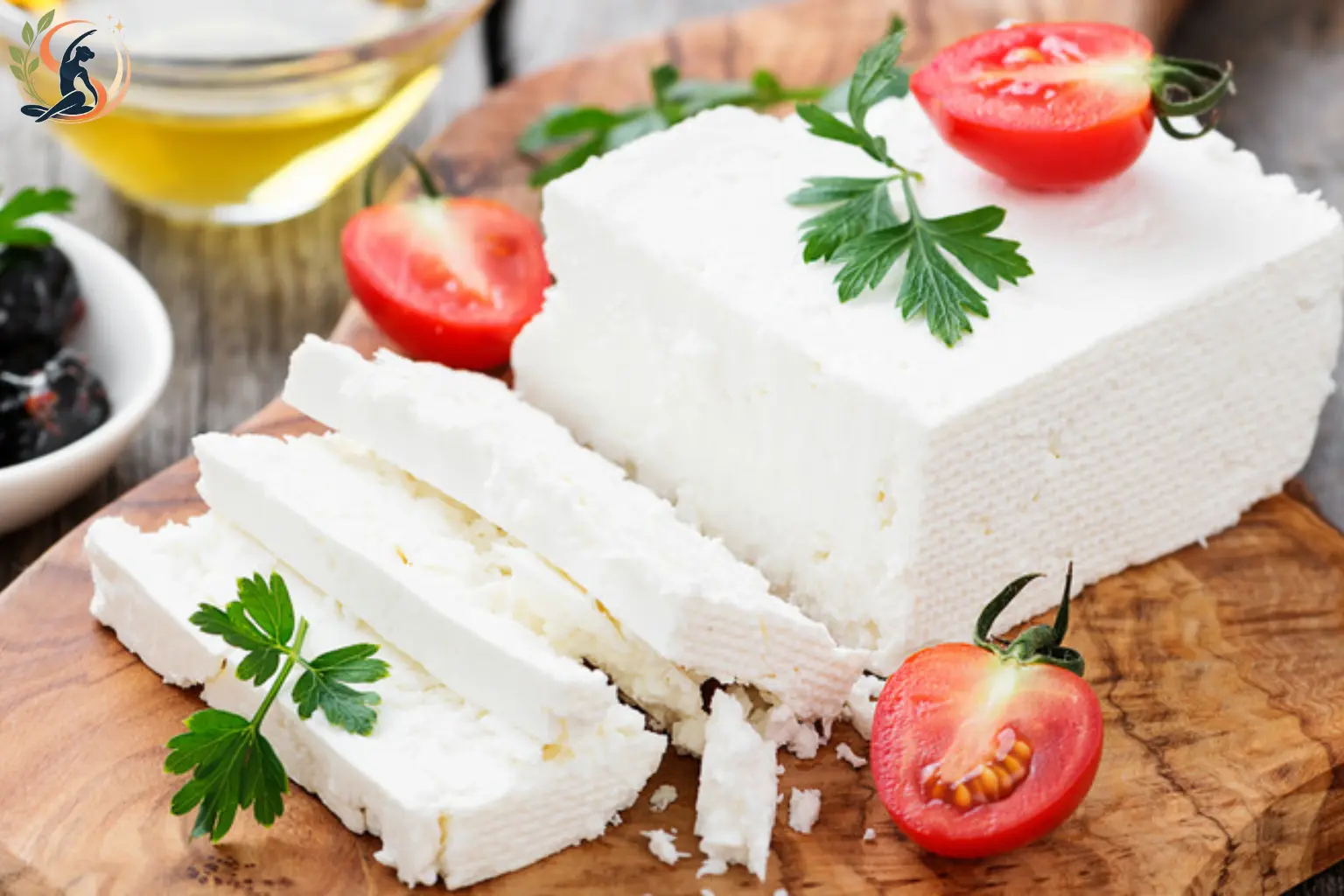
Feta's a brined curd cheese, traditionally made from sheep's milk or a mix of sheep and goat's milk, though a lot of what's sold outside Greece these days uses cow's milk instead, which honestly changes the flavor more than people realize when they grab whatever's cheapest at the store without checking the label closely first.
The brining process is what gives it that sharp, salty bite, sitting in a salt-water solution for weeks before it ever hits your plate at dinner, quietly developing that flavor the whole time. That brining step matters a ton when you're talking about feta cheese nutrition, because it's directly responsible for the sodium content that makes this cheese so distinct from something like mozzarella or a mild cheddar sitting right next to it in the dairy aisle.
You're not just eating a soft cheese here, you're eating something that's been actively cured and that changes the nutritional math in ways a lot of people don't think about until they're staring at a label wondering why the sodium number looks so oddly high for something this small and unassuming, barely bigger than a golf ball most times. Feta fits naturally into a pattern of eating more whole, minimally processed foods, since it skips most of the additives packaged cheese products rely on.
Calories and Macros in Feta Cheese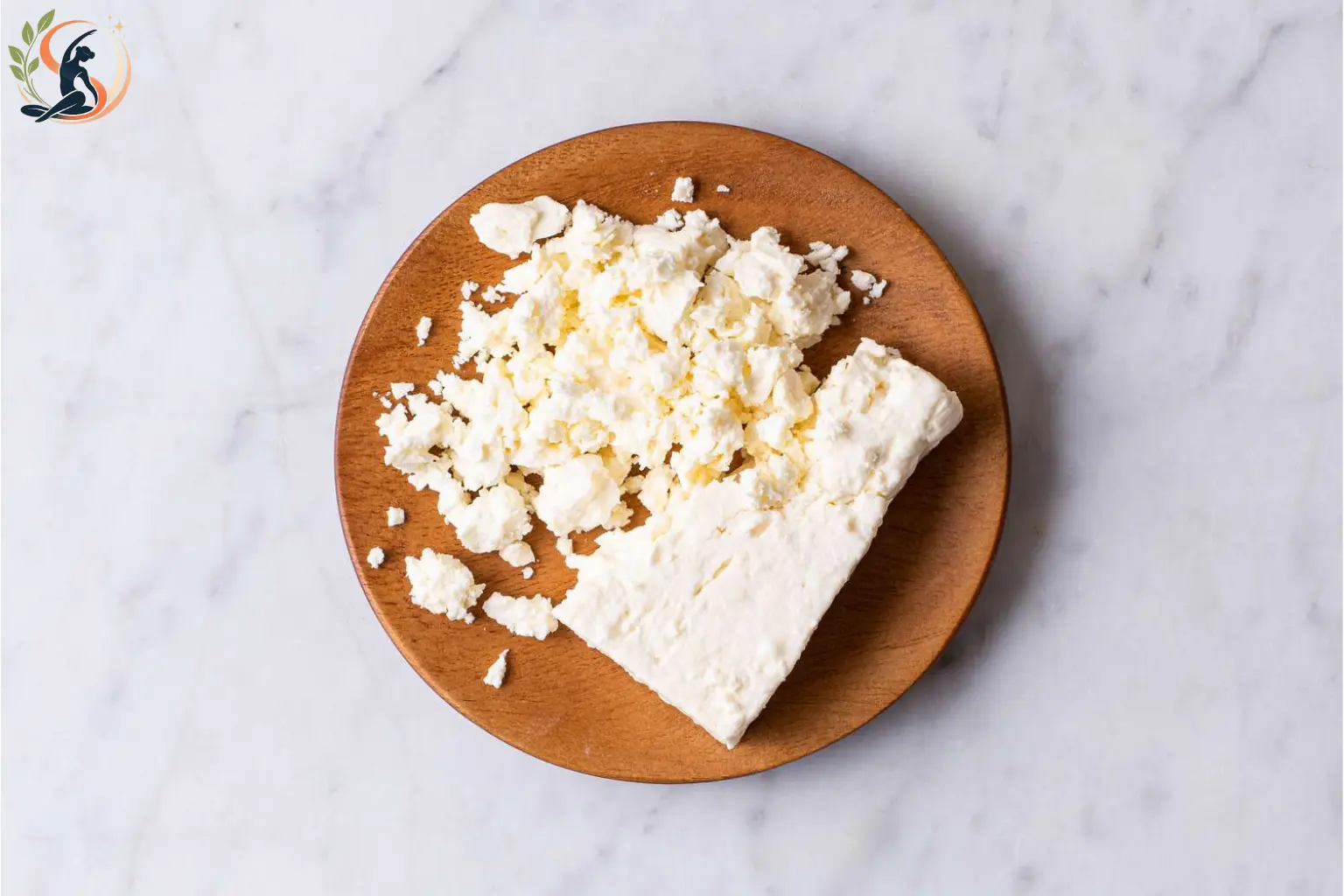
A standard one-ounce serving of feta runs around 75 calories, give or take depending on the brand and whether it's the full-fat version or one of those "light" tubs people buy thinking they're saving themselves calories they probably weren't going to eat that much of anyway.
That's honestly not bad at all compared to a lot of other cheeses, which tend to sit way heavier in the calorie department for the exact same portion size sitting right next to it on the shelf. Feta cheese nutrition per ounce usually breaks down to roughly 4 grams of protein and 6 grams of fat, with barely any carbs to speak of, maybe a gram if that, sometimes less depending on the batch.
It's not a huge protein hit compared to, say, chicken or Greek yogurt, but feta cheese nutrition still adds up in a real way, especially stacked onto a salad where every little bit genuinely counts over the course of a full meal you're actually eating that day. If you're planning meals around a specific calorie target, knowing exactly where feta fits in makes portioning a lot less like guesswork.
Protein, Fat and What They're Actually Doing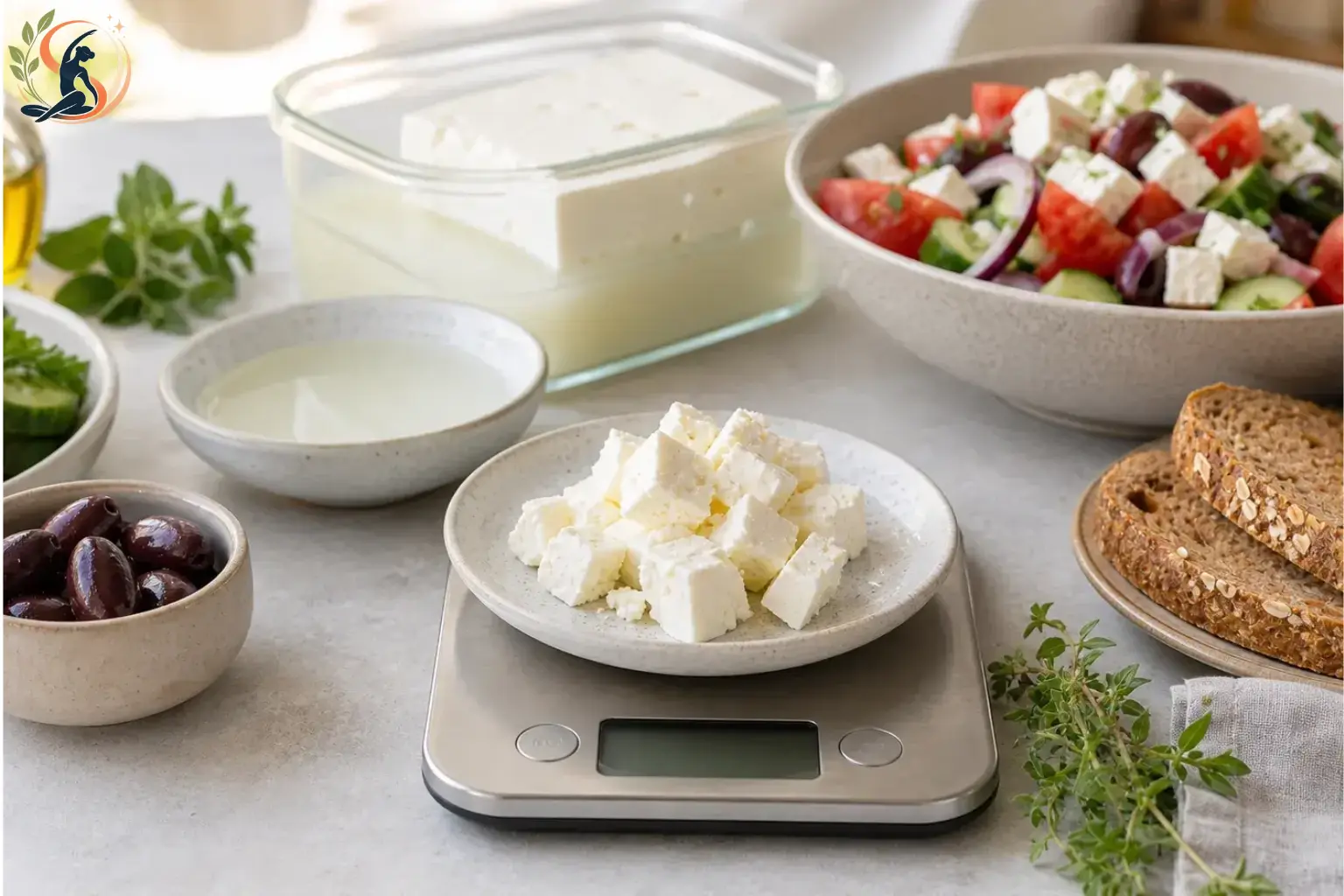
The protein and fat in feta work together in a way that makes a small portion feel like it's actually doing something for you, instead of just sitting there as an empty flavor addition to whatever you're eating that day.
Where the Protein Actually Comes From
Feta's protein quality holds up well because it comes from a complete animal source, meaning it delivers all the essential amino acids your body needs without requiring you to combine it with anything else on your plate that day, which is honestly more than a lot of cheeses can say for themselves when you actually break it down.
The Saturated Fat Question
The fat content sits mostly in the saturated category, which understandably makes some people nervous the second they see it listed on a nutrition label. Feta's saturated fat profile isn't dramatically worse than most other cheeses sitting on the shelf next to it and the amount you're realistically eating in one sitting, a sprinkle here, a crumble there, keeps the actual intake pretty modest most days if you're being honest with yourself.
Why the Fat Isn't Really the Enemy
The fat in feta isn't purely a downside either, it's part of why the cheese feels so satisfying in small amounts, why a little crumble on a salad makes the whole thing feel like an actual meal instead of just rabbit food you're forcing down out of guilt because someone told you cheese was bad.
Sodium: The Part Nobody Wants to Talk About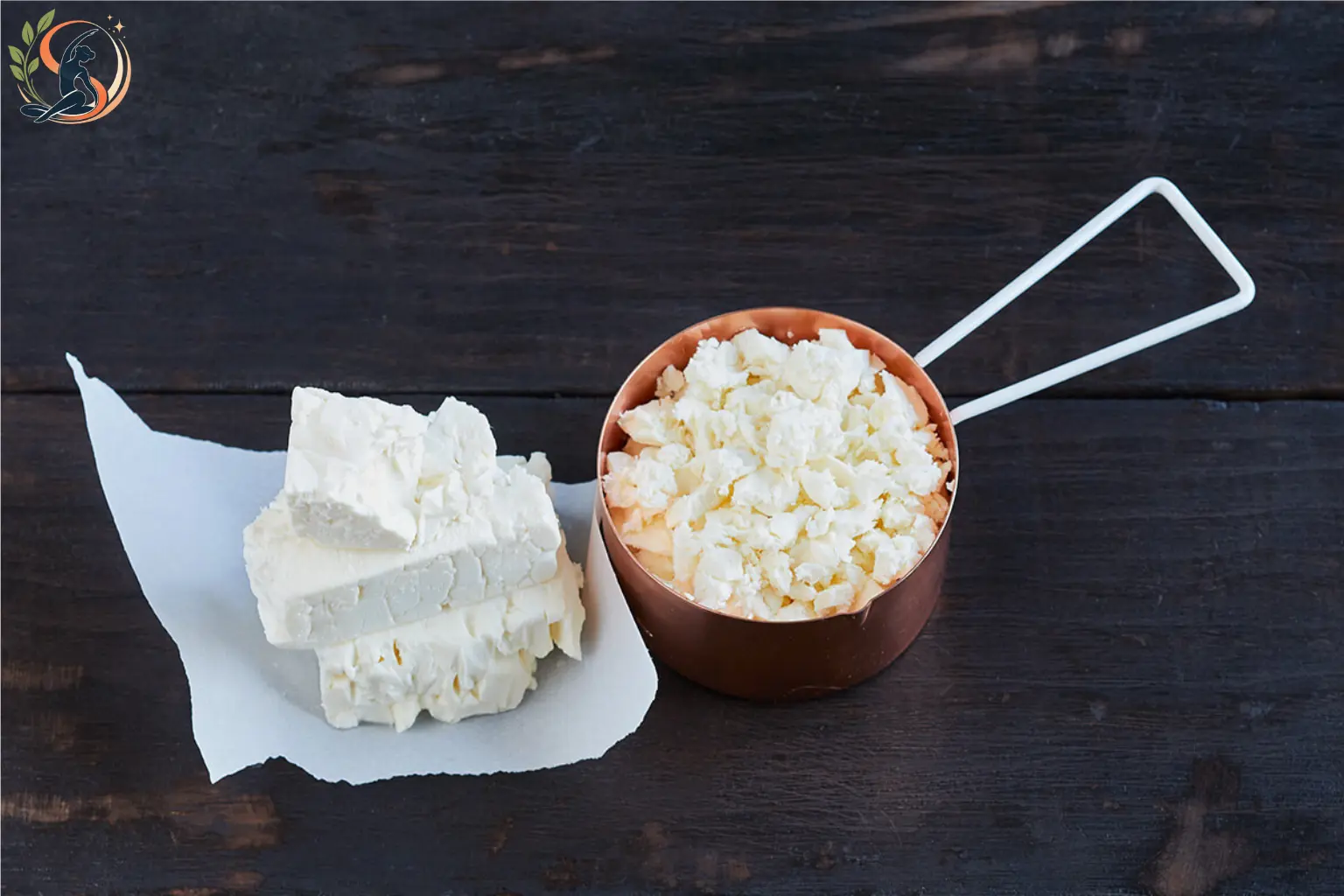
Okay, real talk, this is the part of feta cheese nutrition that deserves the most attention and honestly gets the least of it in most articles you'll find online talking about this cheese. A single ounce can pack anywhere from 300 to 500 milligrams of sodium depending on the brand, which is genuinely a lot for something you're sprinkling on top of a salad like it's an afterthought, barely thinking about it.
For most healthy adults eating feta occasionally, this isn't some huge crisis, your body handles it fine most days. But if you're watching your blood pressure or you already eat a lot of processed or salty food throughout the day, feta cheese nutrition on the sodium side can sneak up on you fast.
The Sodium Adds Up Faster Than You'd Think
A big feta salad at a restaurant can genuinely have double or triple the sodium of a homemade version, since restaurants rarely measure with any real restraint or portion control in the back kitchen where things move fast.
Rinsing Feta Can Actually Help
Running feta under cold water for a few seconds before eating it genuinely pulls out some of the surface brine, cutting the sodium hit noticeably without wrecking the flavor you actually came for in the first place, which is a trick more people should honestly know about.
Low-Sodium Versions Exist, But Taste Different
Some brands sell reduced-sodium feta and honestly, it's fine, it's just not quite the same punch you get from the traditional stuff, so manage your expectations a little bit going in before you commit to buying a whole block of it for the week. If you're already watching your sodium intake elsewhere in your diet, it's worth knowing which everyday snacks are quietly adding up too.
Calcium and Bone Health Benefits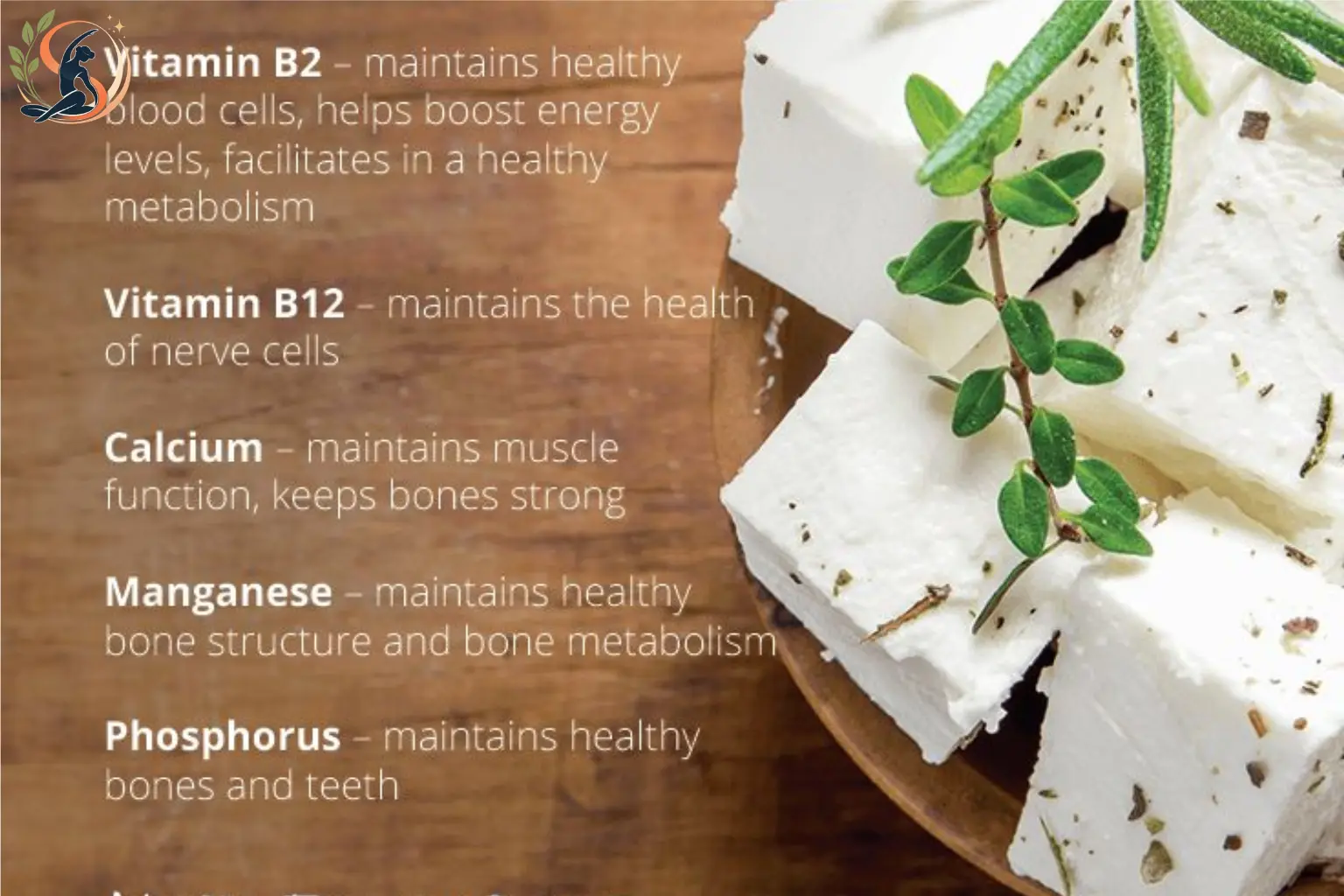
Feta's actually a solid source of calcium, which surprised me honestly, since I always associated calcium more with milk and yogurt than with a crumbly salty cheese I mostly ate purely for flavor and nothing else.
One ounce delivers a meaningful chunk of your daily calcium needs, which matters more than people realize until they're older and suddenly thinking hard about bone density and things they never used to worry about at all.
The calcium side of feta cheese nutrition doesn't get talked about nearly enough compared to the sodium conversation, but it's genuinely one of the better reasons to keep feta cheese nutrition in mind and this cheese in rotation instead of writing it off entirely just because of the sodium panic everyone seems to focus on constantly online these days.
Vitamins Hiding in Every Crumble
Beyond calcium, feta genuinely carries more going on than most people give it credit for, buried under all that salt and tang most people notice first before anything else registers.
The B12 Most People Don't Expect
Feta carries a decent amount of vitamin B12, which matters a lot for energy and nervous system function, something plant-based eaters especially need to keep an eye on since B12 is mostly found in animal products and genuinely hard to get otherwise without supplementing.
Vitamin A and Riboflavin, Quietly Present
There's also a modest amount of vitamin A and riboflavin tucked into feta, nutrients that don't get much attention because nobody's out here eating feta cheese nutrition specifically for its vitamin content in the first place, let's be real about that.
A Small Bonus You Never Really Notice
They're there though, quietly doing their job every single time you sprinkle some on your dinner without giving it a second thought, which honestly feels like a nice little bonus most people never even notice or think to appreciate.
Who Should Be Careful With Feta
Not everyone needs to worry about feta cheese nutrition the same amount, but a few groups genuinely should pay closer attention before piling it on:
People managing high blood pressure should watch portion sizes closely due to sodium
Anyone with a dairy sensitivity may still react, since feta contains lactose in small amounts
Pregnant women should confirm the feta is made from pasteurized milk before eating
People on strict low-sodium diets should treat feta as an occasional food, not a staple
Anyone with kidney concerns should check with a doctor about sodium intake from cheese
Easy Ways to Add Feta Without Overdoing It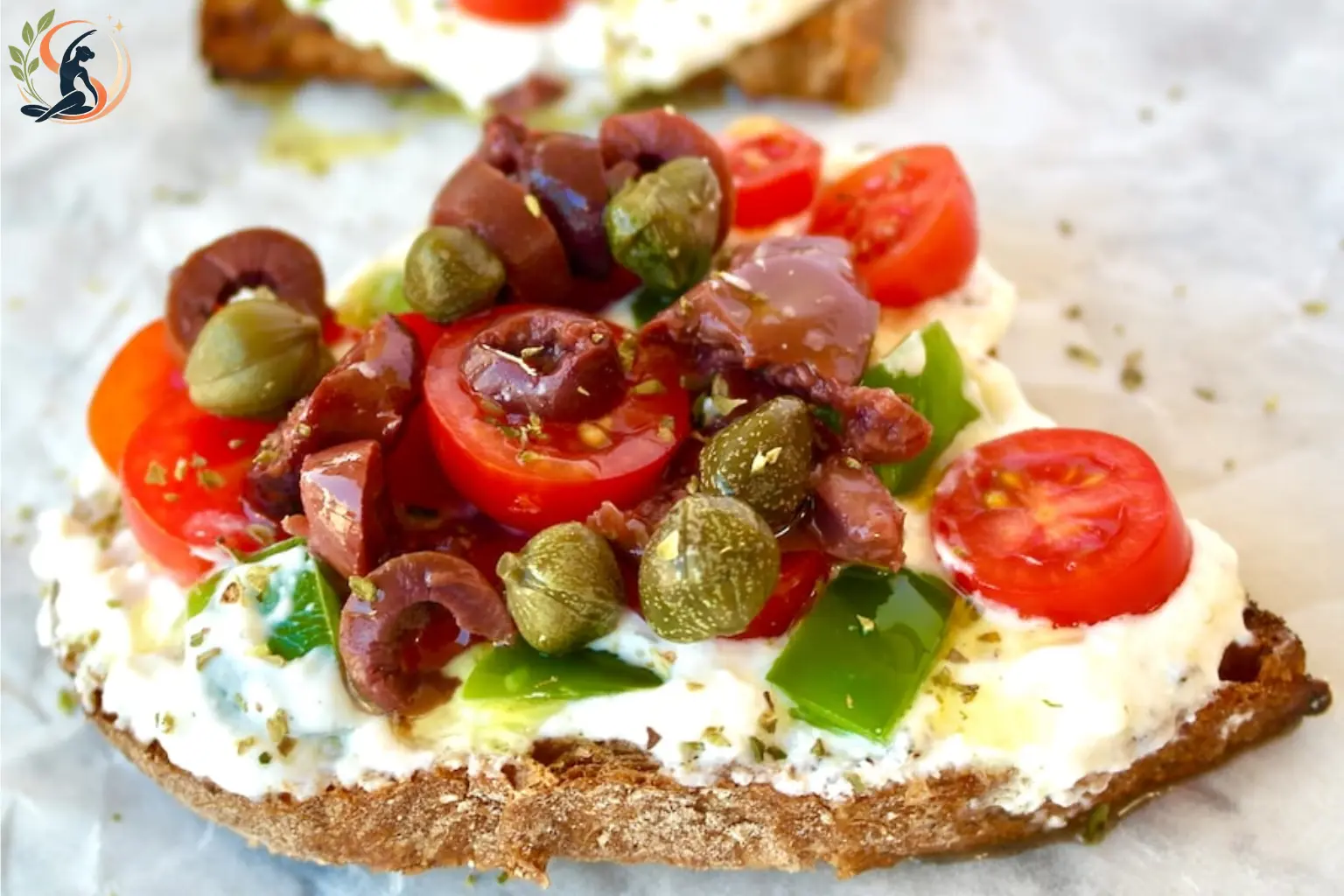
Once you understand feta cheese nutrition a little bit better, working it into meals without going overboard on sodium gets a lot easier day to day:
Crumble a small amount over roasted vegetables instead of a heavy layer
Mix a little into scrambled eggs for flavor without piling on sodium
Use it as a garnish on soups rather than a main ingredient
Pair with watermelon for a genuinely underrated sweet-salty combination
Add to whole grain bowls in small amounts alongside fresh vegetables
Feta Cheese Nutrition Compared to Other Cheeses
Stack feta against something like cheddar and the calorie count actually comes out lower per ounce, which genuinely surprises people who assume all cheese is roughly interchangeable when it comes to the nutrition side of things and never bother checking the actual numbers themselves.
Feta's lower fat content compared to harder, aged cheeses is part of what makes it feel like a lighter addition to a meal, even when you're being generous with the crumble on top. Compared to something like cream cheese or brie, feta wins pretty clearly on protein and loses a bit on creaminess, obviously, since that's just not what feta's going for texture-wise anyway, it's playing a totally different game.
You know, feta cheese nutrition often gets lumped in with vague "healthy Mediterranean cheese" talk without anyone actually comparing the real numbers side by side properly, which is kind of the whole point of this entire post if I'm honest.
Is Feta Cheese Actually Healthy?
Honestly, this depends way more on portion size than most headlines out there want to admit and it's the question people ask me most about this cheese whenever it comes up.
What the Numbers Actually Support
In moderate amounts, feta cheese nutrition checks a lot of real boxes, decent protein, real calcium, manageable calories overall compared to plenty of other cheeses. But the sodium content means it's not exactly something you should be eating by the handful without thinking twice about it first.
The Reputation Problem Feta Has
I think feta gets an unfairly simplified reputation either way you look at it, honestly and that bugs me a little. People either treat it as some magic health food purely because it's Mediterranean or they avoid it entirely out of sodium panic they picked up from one article somewhere online years ago.
Where the Real Answer Actually Sits
The truth sits somewhere boringly in the middle of both extremes, like most real nutrition answers honestly tend to, whether we like that answer or not most days when we just want a simple yes or no.
Buying and Storing Feta the Right Way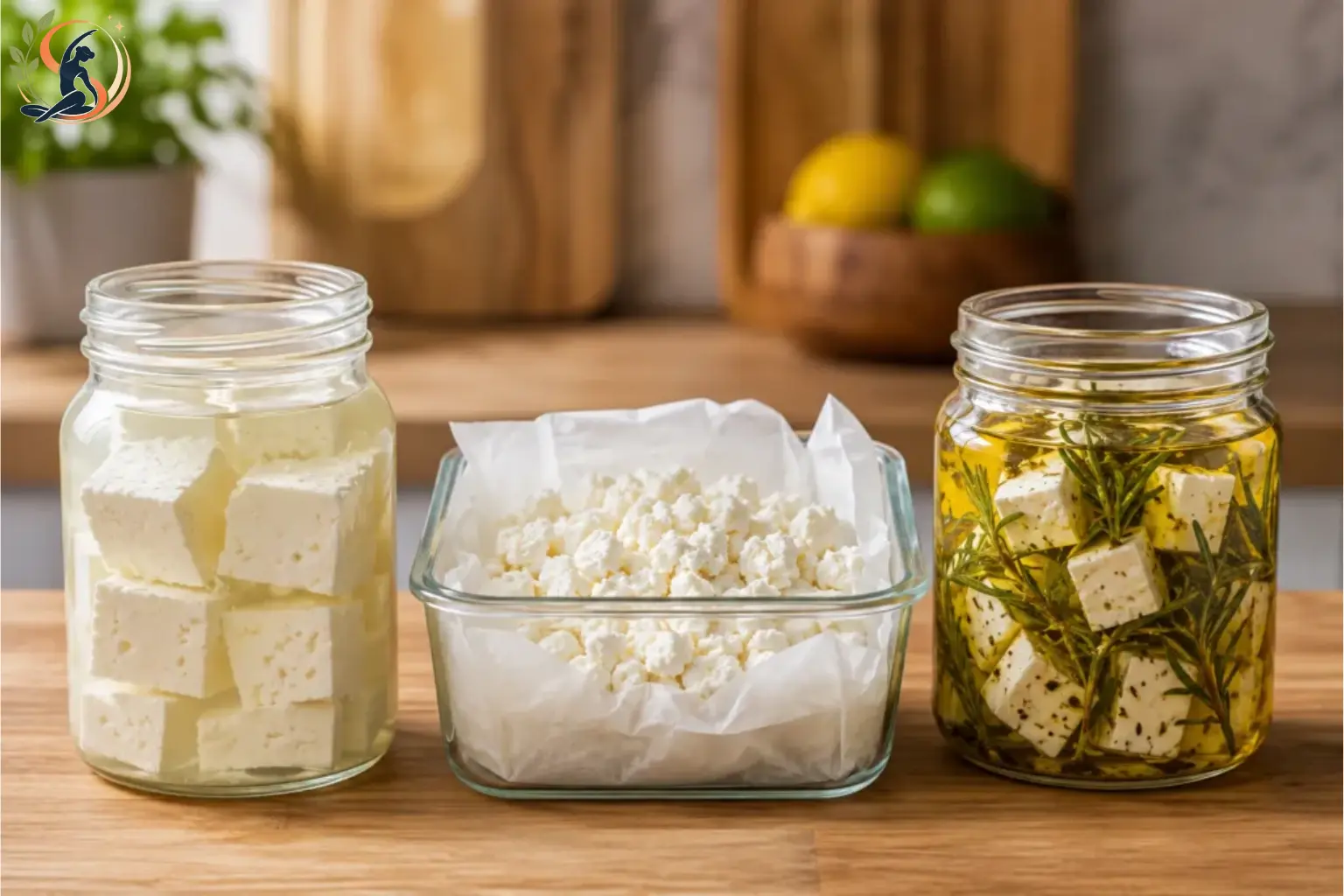
Block feta stored in brine holds up way better than pre-crumbled feta, which dries out fast and loses a lot of that creamy texture within days of you opening the container and leaving it exposed to air in your fridge without much protection.
If you can find block feta, buy that instead, even if it means an extra five minutes crumbling it yourself before dinner instead of just grabbing the pre-crumbled bag out of pure convenience because you're in a rush that evening.
Keep feta submerged in its brine or a simple saltwater solution if you've used up the original liquid and it'll stay fresh in the fridge for weeks instead of just days like the crumbled stuff tends to.
That small step alone makes a bigger difference in freshness and flavor than most people expect from something this simple and honestly, once you know that trick, it's genuinely worth the extra five minutes most weeks going forward.
Frequently Asked Questions
1. Is feta cheese good for weight loss?
In moderate portions, yes, feta's relatively low calorie count and decent protein make it a reasonable addition to a weight-loss diet plan. Watch the sodium though, since feta cheese nutrition on the sodium side can contribute to water retention if you're eating it regularly in large amounts without thinking about it.
2. How much sodium is in feta cheese?
A single ounce typically contains 300 to 500 milligrams of sodium, depending on the brand and how it's been processed during production. This makes portion control genuinely important if you're watching your daily sodium intake closely for any health-related reason at all.
3. Is feta cheese healthier than mozzarella?
It depends on what you're optimizing for honestly, since feta cheese nutrition and mozzarella nutrition differ in different ways. Feta has more sodium but often fewer calories per ounce, while mozzarella runs milder in sodium but sometimes higher in fat, depending on the type.
4. Can lactose intolerant people eat feta cheese?
Some can, in small amounts, since feta contains less lactose than fresh milk due to the fermentation process involved in making it from start to finish. Everyone's tolerance varies though, so it's worth testing a small portion first before committing to more.
5. Is feta cheese good during pregnancy?
Pasteurized feta is generally considered safe during pregnancy, but unpasteurized versions should be avoided due to listeria risk during this sensitive time. Always check the label carefully before buying, especially from a specialty or imported cheese counter somewhere unfamiliar.
6. Can you freeze feta cheese?
Yes, though the texture turns noticeably crumblier and drier once thawed, so it's better suited for cooking than eating fresh afterward. Freeze it in its brine if possible and use it within a couple of months for the best results.
Conclusion
Feta cheese nutrition is honestly more nuanced than the internet tends to make it sound, it's not some magic health food and it's not a sodium bomb you need to avoid entirely either. Used in reasonable portions, it brings real calcium, decent protein and a flavor punch that makes salads and simple dishes feel a lot more interesting than they'd be without it.
Pay attention to the sodium, buy the block instead of pre-crumbled if you can manage it and honestly, just enjoy the stuff without overthinking every single bite. It's earned its place on the plate, sodium and all.


Comments (0)
No comments yet. Be the first to share your thoughts!
Leave a Comment