
I ignored gate poses in yoga for years. Genuinely just skipped through it whenever a teacher called it out, treating it like some throwaway transition move sandwiched between the "real" poses. Turns out I was wrong about that. Embarrassingly wrong, honestly, because the one time I actually sank into it properly, my whole side body lit up in a way triangle pose never quite managed on its own. I felt kind of silly afterward, having dismissed it for so long.
This guide covers gate pose in yoga properly, what it's actually good for, how to do it without guessing, variations using props if your knees or hips aren't fans of the floor version and a full sequence built around it.
We'll also get into a couple of honest tangents people keep searching for, the hardest pose in yoga and yes, the whole "most seductive yoga pose" thing that oddly keeps showing up in search results.
What Is Gate Pose in Yoga?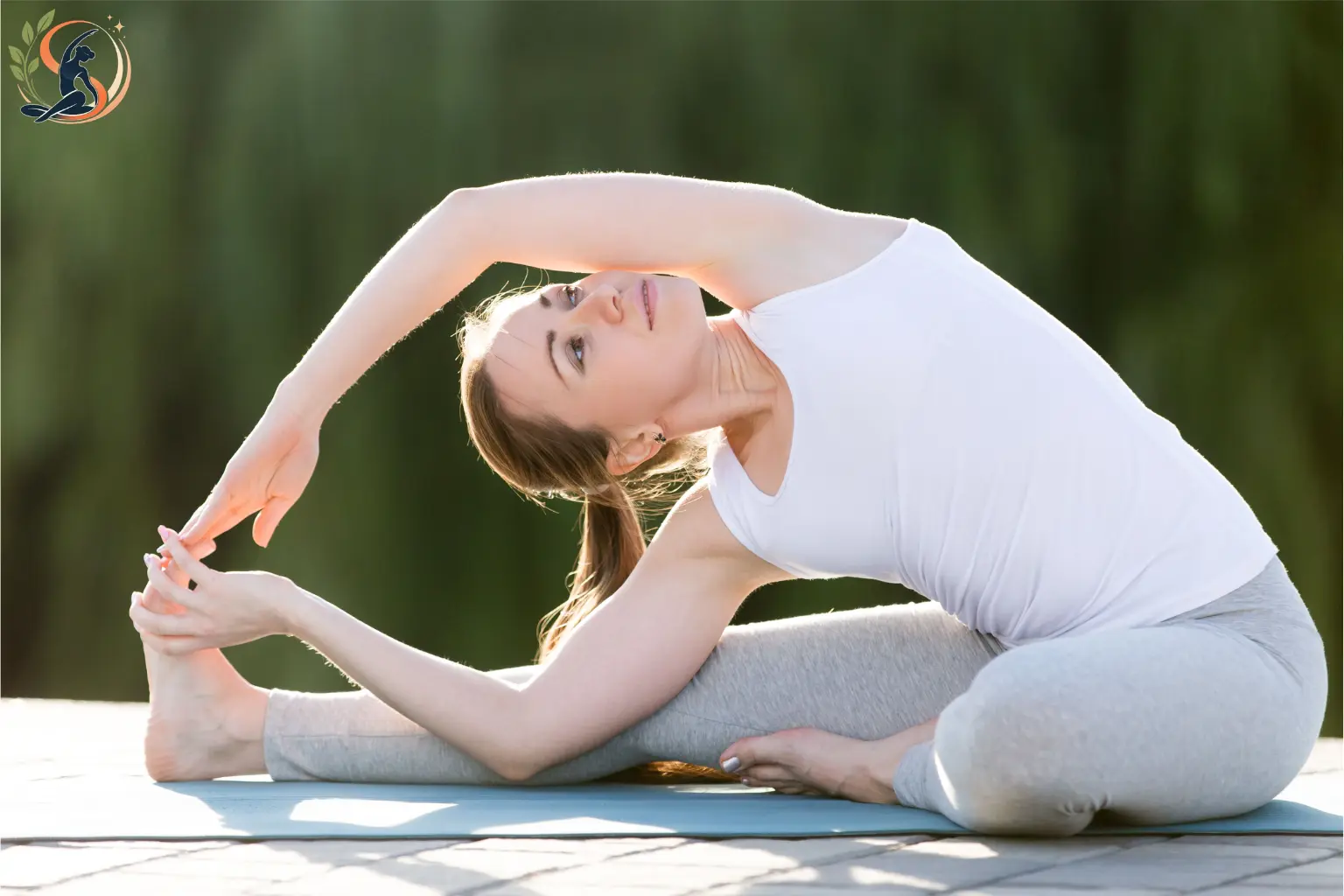
Gate pose, called Parighasana in Sanskrit, is a kneeling side bend that stretches the entire side body in one long, connected line from hip to fingertip.
Where the Name Comes From
Parigha translates to the crossbar that locks a gate shut and the pose genuinely mimics that shape. Your straight leg and reaching arm form one long diagonal, like a gate swinging open on its hinge.
Interestingly, this isn't some ancient pose pulled from old Hatha texts either, it actually shows up in a 1924 gymnastics book before Krishnamacharya reportedly adapted it into modern yoga teaching. Which honestly surprised me when I first read that.
Pose Type and Target Area
Gate pose falls under the side bend category and its target area is really the whole lower body working alongside the torso. Hips, obliques, intercostals, plus the outer hip and inner thigh of the extended leg, all get involved at the exact same time.
What Is Gate Pose Good For?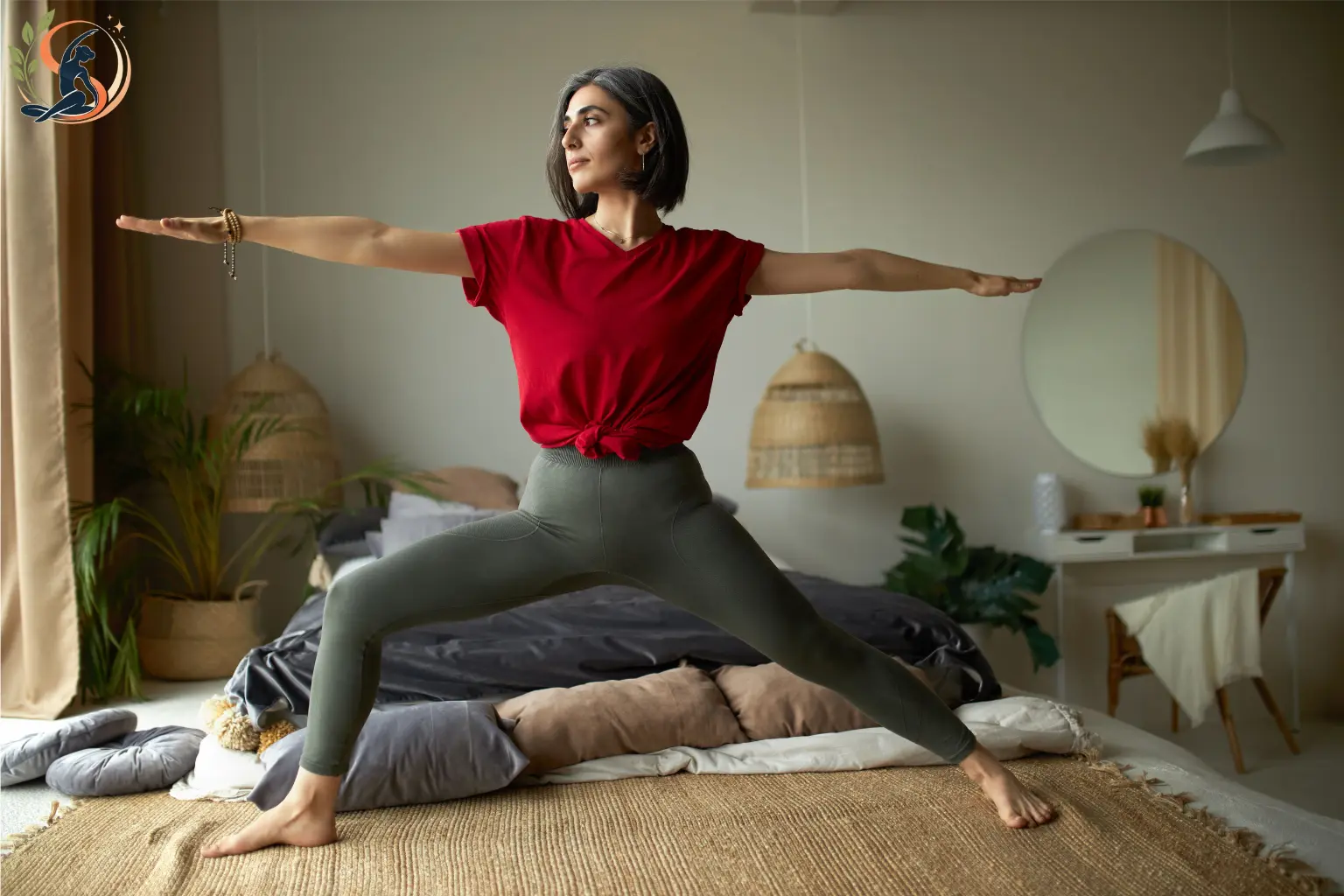
This pose does a lot more than just look impressive in a class photo, honestly more than I ever expected before actually trying it properly.
Benefits for the Side Body and Core
The side body gets almost zero attention in daily life and not much in most yoga classes either if we're being honest. Gate pose isolates the obliques and intercostal muscles directly, the same muscles that quietly weaken from years of sitting hunched forward at a desk without anyone noticing.
It also strengthens the ankles and feet through the grounded knee and stretches the latissimus dorsi and erector spinae running alongside your spine the whole way down. A lot of that groundwork carries directly into that standing side stretch most people wobble through before they've actually built this foundation first.
Benefits for Flexibility and Digestion
Beyond the obvious stretch, gate pose stimulates the abdominal organs through the twisting, lengthening motion involved, which some practitioners genuinely find helps with digestion and even mild bloating after a heavy meal.
It also opens the chest and shoulders slightly during the reach overhead, making it a mild heart-opening pose too, on top of everything else it's already doing at once.
How to Do Gate Pose Step by Step
Kneel with your knees and feet hip-width apart, then extend one leg straight out to the side, foot flat and toes pointing forward the whole time. Keep your hips facing forward rather than twisting toward the extended leg, then inhale and reach the same-side arm overhead. Exhale and lean your torso over your extended leg, letting your other hand rest on your thigh, shin or the floor for support.
Hold for a few breaths, then rise back up slowly and switch sides. That deep pull along the extended leg's hip flexor is worth paying attention to too, since it's the exact same area covered in that tight-hip breakdown elsewhere on the site.
Gate Pose Variations for Every Body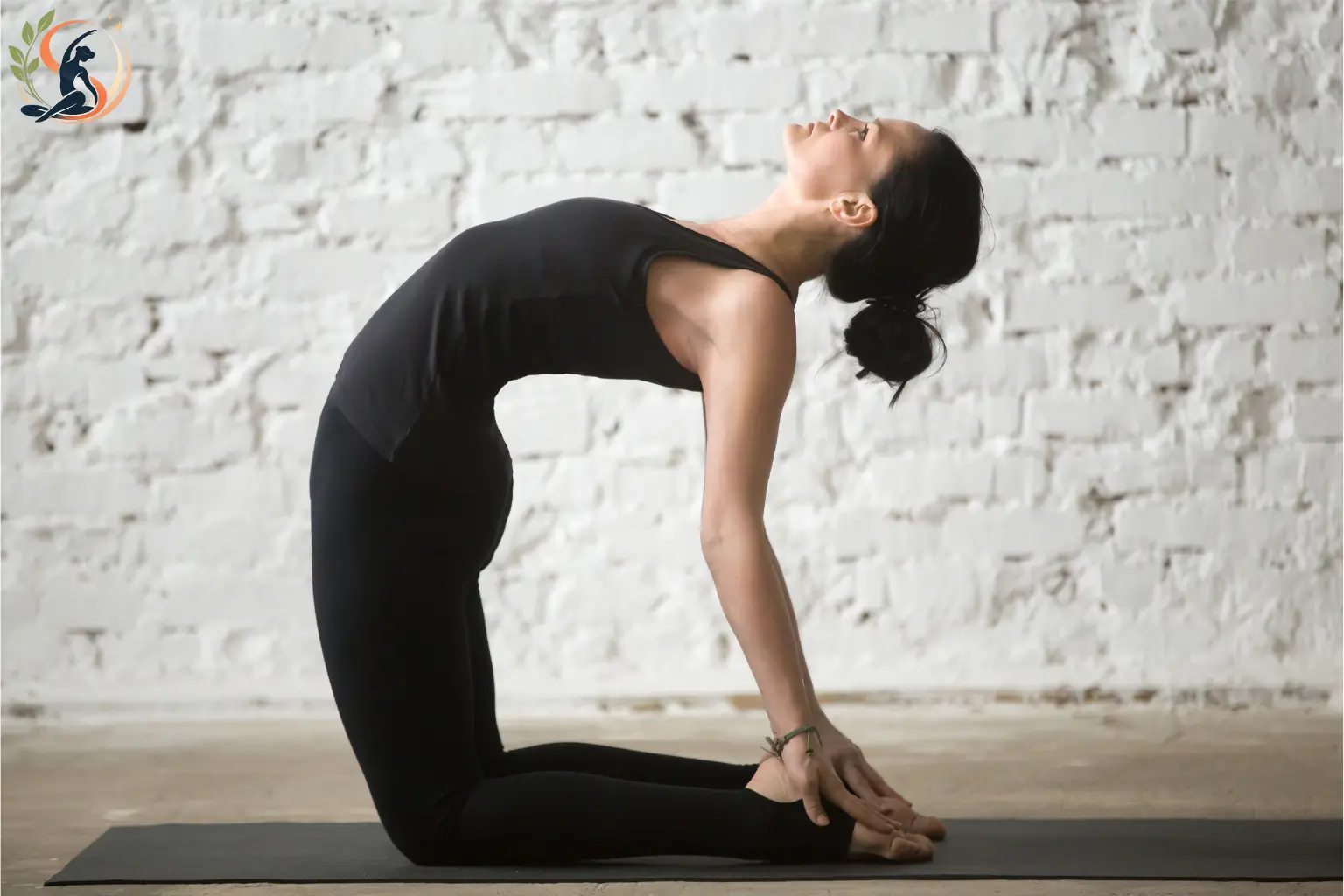
Not everyone's knees or hips are ready for the full floor version right away and honestly, that's completely fine, no exceptions needed.
Gate Pose With a Blanket
Placing a folded blanket under the grounded knee solves the single biggest complaint people have about this pose, that sharp knee discomfort from direct floor contact. It's such a small fix, but it makes a genuinely big difference for anyone with sensitive knees who otherwise avoids kneeling poses entirely.
Gate Pose With a Chair
Sitting on a chair and extending one leg out to the side replicates most of the same stretch without any kneeling involved at all. This seated version works especially well for anyone with knee injuries, balance concerns or just a body that isn't interested in getting down on the floor that particular day, which happens to all of us eventually.
Something similar comes up in seated hip openers too, where props end up doing a lot of the same quiet work.
What Is the Opposite of Gate Pose in Yoga?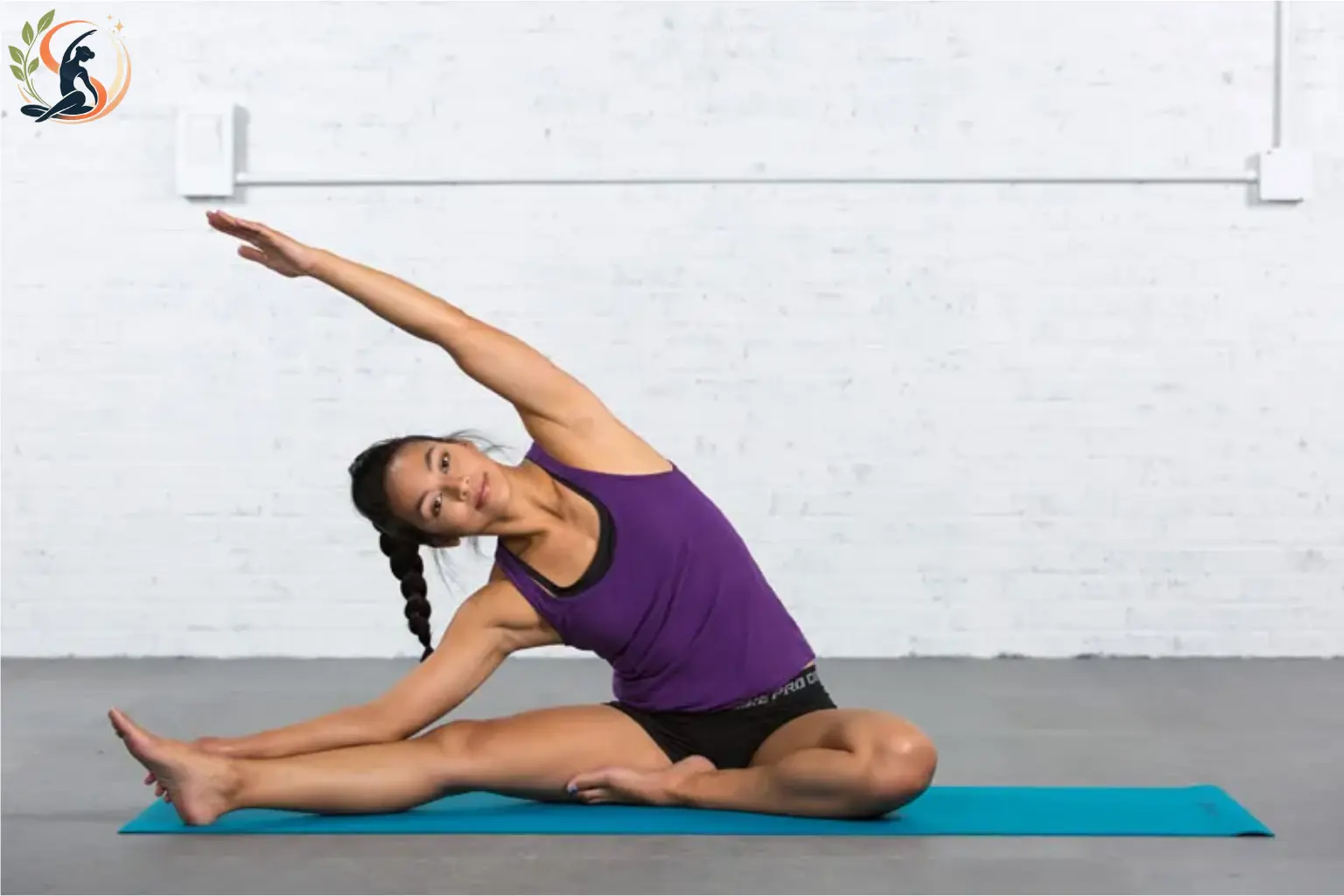
There isn't really a single named "opposite" pose the way some postures have a clear, textbook counter-pose attached to them. The real opposite here is simply the other side of your own body, since gate pose only stretches one side at a time by design.
Skipping the second side entirely creates the exact imbalance the pose is supposed to correct in the first place, so always, always practice both directions, no shortcuts on that one.
Building a Gate Pose Sequence
A full sequence built around this pose makes a genuinely satisfying standalone practice, not just one move buried somewhere in the middle of a longer class you're half paying attention to.
Warming Up Into the Sequence
Start with an opening breath in a comfortable seated or kneeling position, then move into a high kneeling breath, arms reaching overhead as you inhale slowly. From there, the kneeling crescent moon adds an early side stretch that primes the body for what's coming next in the sequence.
Deepening Through Gate Variations
Move into gate itself, then explore gate side plank for an added strength challenge through that exact same shape. Gate knee to elbow brings a core-focused variation into the mix, gate forward fold shifts the stretch downward instead and gate twist adds rotation before returning to a plain gate hold on the opposite side to keep things balanced.
Closing the Sequence
Wind down with thread the needle, a gentle shoulder and upper back release that feels genuinely earned by this point, before a final closing pose, whatever feels calmest for your own body that particular day. This kind of structure genuinely turns gate pose from an afterthought into the actual centerpiece of a real practice.
What's the Hardest Pose in Yoga?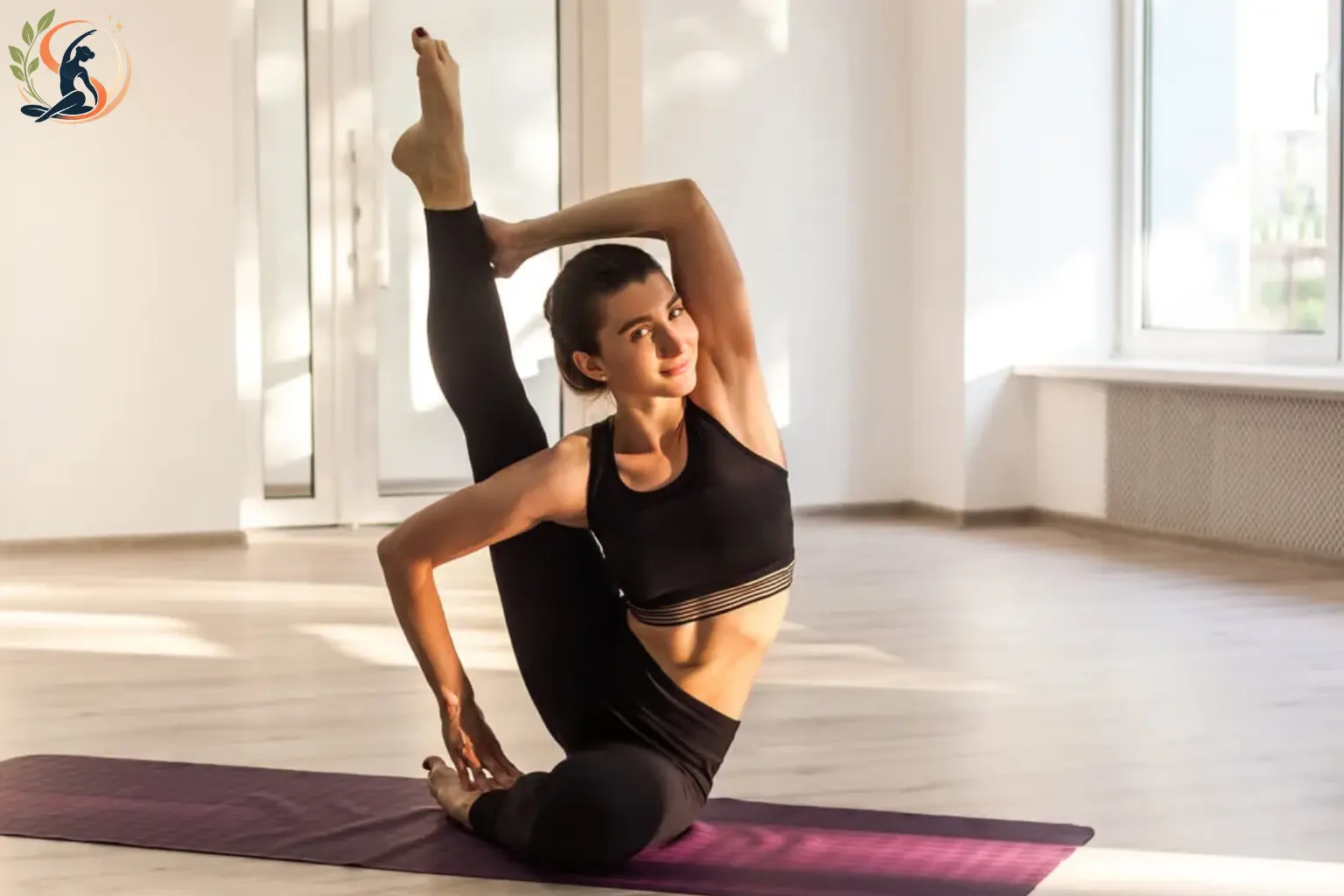
There's honestly no single universally agreed-on hardest pose, since difficulty depends so heavily on individual flexibility, strength and even body proportions. That said, a few names come up constantly in these conversations.
Firefly pose, scorpion pose and forearm stand all demand a rare combination of strength, balance and flexibility working together at once, which is exactly why they take years for most practitioners to build toward safely, myself very much included on at least two of those three.
What Is the Most Seductive Yoga Pose?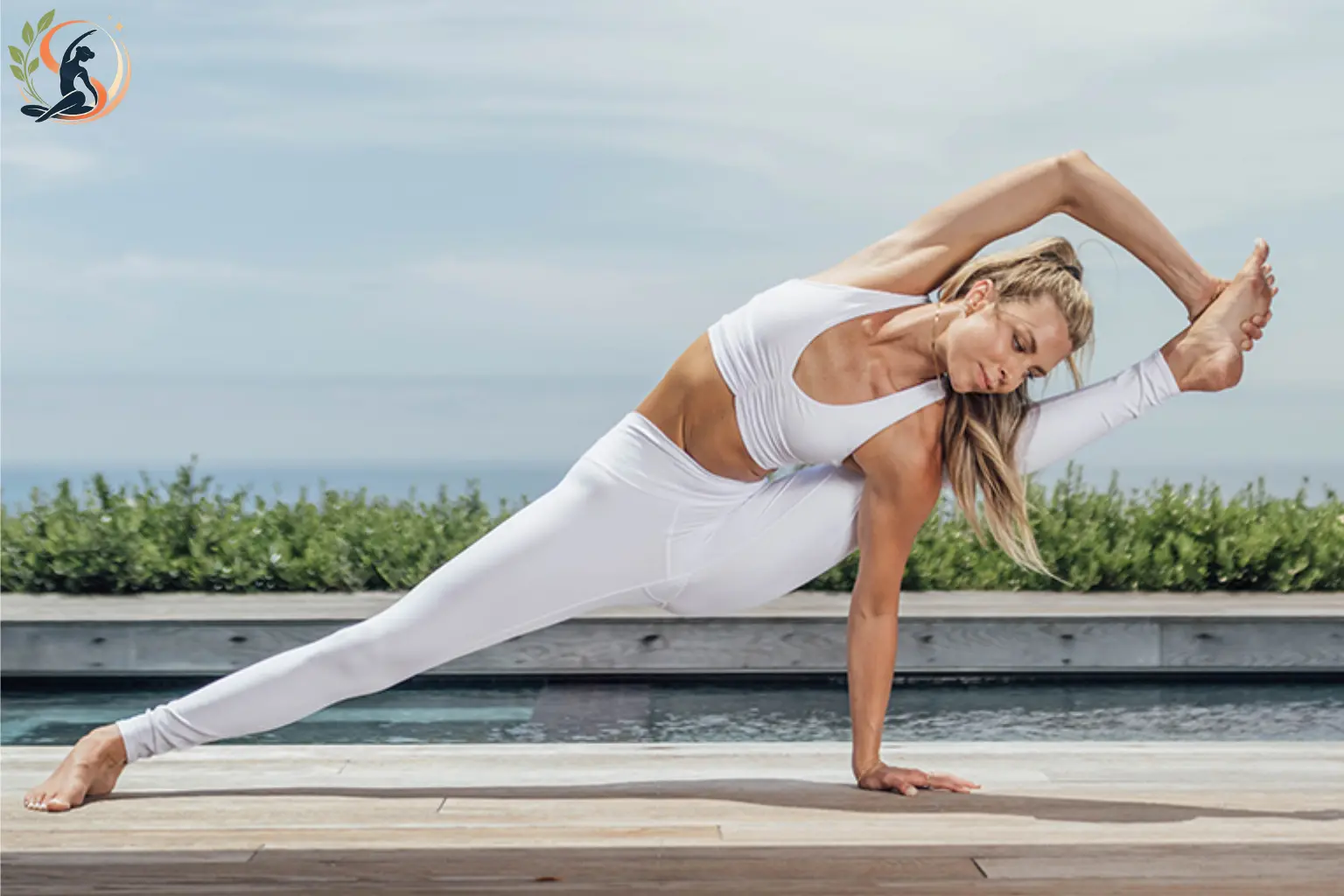
Honestly? "Seductive" isn't really a term that comes from actual yoga tradition or teaching at all. It's more of a pop-culture label that gets slapped onto graceful, expressive poses in fitness media every once in a while.
Poses like dancer pose or certain backbends get described this way occasionally, simply because they look elegant and confident when held well, though the actual intent behind them has nothing to do with that framing whatsoever. Kind of a weird search query when you think about it, but here we are addressing it anyway.
Frequently Asked Questions
1. What is Gate Pose good for?
Gate Pose stretches and strengthens the side body, including the obliques and intercostal muscles, while also improving spinal flexibility. It's an excellent preparatory pose for standing stretches like Triangle Pose and many practitioners find it helps with mild digestive discomfort too.
2. What is the opposite of Gate Pose in yoga?
There isn't a specific named counter-pose for Gate Pose. Since the posture only stretches one side of the body at a time, the true "opposite" is simply practicing the pose on your other side to keep both directions balanced.
3. Can beginners do Gate Pose?
Yes, Gate Pose works well for beginners, especially using props like a folded blanket under the knee or a chair for a seated variation. Starting gently and avoiding forcing the stretch helps beginners build comfort with the pose safely over time.
4. What's the hardest pose in yoga?
There's no single agreed-upon hardest pose, since difficulty varies by individual body type and training. Poses like Firefly, Scorpion and Forearm Stand are commonly cited as some of the most demanding, requiring years of combined strength and flexibility work.
5. Is Gate Pose safe for bad knees?
Gate Pose can be modified for knee sensitivity using a folded blanket under the grounded knee or by practicing the seated chair variation instead. Anyone with a significant knee injury should check with a doctor or instructor before attempting either version.
6. How long should you hold Gate Pose?
Most practitioners hold Gate Pose for three to five breaths per side, though beginners may start with shorter holds. Building up hold time gradually, rather than forcing a long stretch immediately, helps avoid strain in the extended leg or side body.
Conclusion
Gate pose in yoga deserves way more attention than it usually gets, tucked away as some minor transition move most people rush through without thinking twice about it. Between the side body stretch, the core engagement and the genuinely satisfying sequence it can anchor entirely on its own.
This pose earns a real spot in regular practice, not just an occasional cameo between bigger, flashier poses. Give it the attention it actually deserves, on both sides and see what your side body's been quietly missing this whole time.


Comments (0)
No comments yet. Be the first to share your thoughts!
Leave a Comment