
I've made more bad protein shakes than I'd like to admit. Genuinely. Chalky texture. Weird aftertaste. Way too many calories packed into something I thought was "helping" my fat loss goals at the time, back when I had no idea what I was doing. Took me embarrassingly long to figure out what actually separates a useful protein shake from a glorified milkshake wearing a health halo for marketing purposes.
This guide covers real protein shake recipes for fat loss, along with the muscle-building side of things too, meal plans, lean bulk basics, carb cycling for anyone trying to gain size instead of lose it. Whether you're cutting or bulking right now, the same core nutrition principles keep showing up again and again. I'll walk you through all of it. No fluff, no filler.
Let's start with what actually makes a protein shake work for fat loss, since that's where most people get it wrong first. Myself included, years ago, more times than I'd like to count.
What Makes a Protein Shake Good for Fat Loss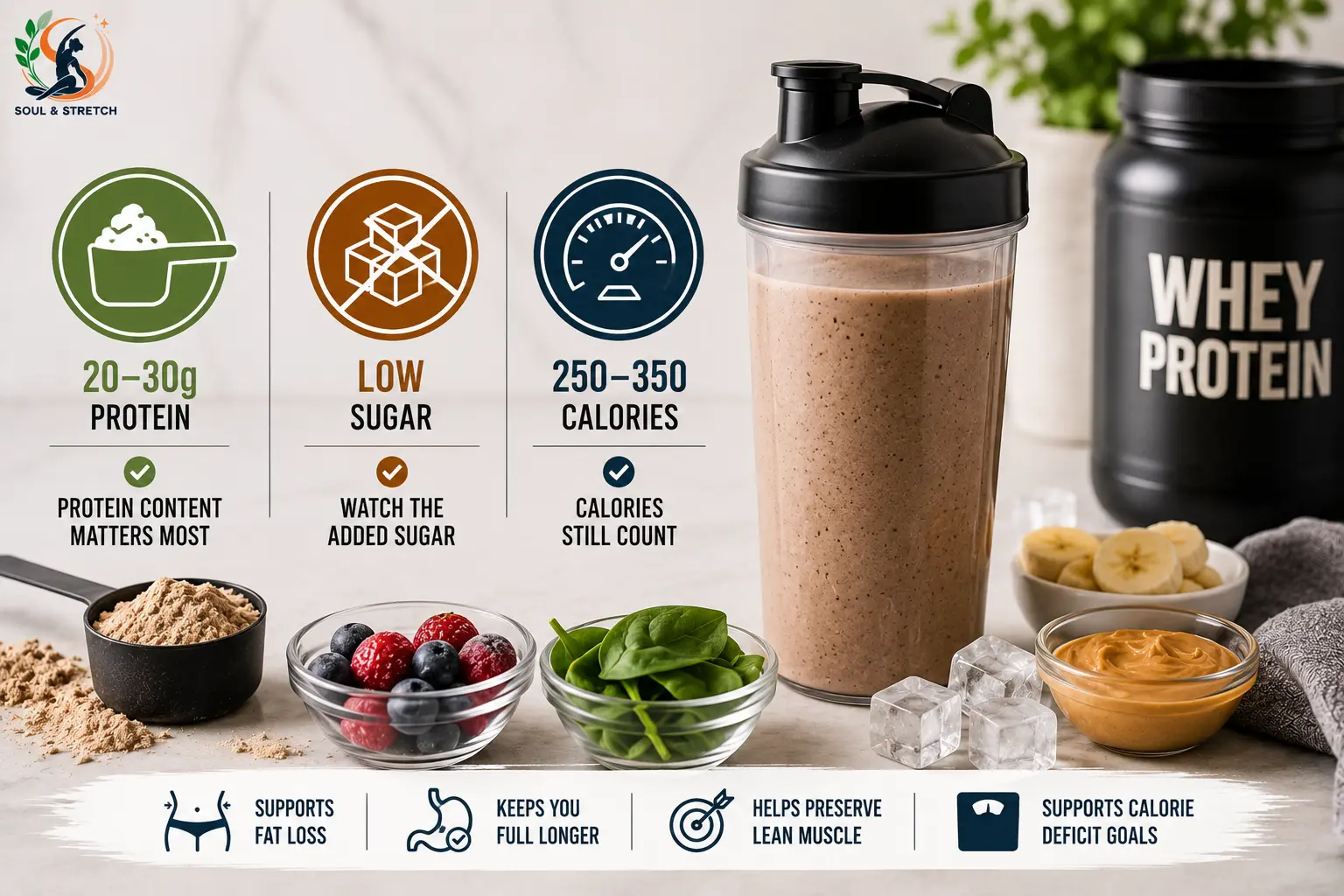
Not every protein shake supports fat loss, even though the label makes it sound like it automatically does. It really, genuinely doesn't work that way.
Protein Content Matters Most
A solid protein shake for fat loss needs at least 20 to 30 grams of protein per serving. Protein keeps you full longer than carbs or fat do, gram for gram, which is exactly why it matters so much when you're trying to eat less overall without feeling starved the whole day. This part isn't really up for debate.
Watch the Added Sugar
A lot of "healthy" protein shake recipes secretly pack in more sugar than a candy bar, mostly from fruit juice concentrates or flavored protein powders loaded with sweeteners nobody bothers reading the label for. Checking that label before blending anything together saves you from accidentally undoing your own progress without even realizing what happened.
Calories Still Count
Even a protein-packed shake can derail fat loss if you're stacking peanut butter, honey and a banana into something that quietly ends up at 600 calories. Six hundred. For a shake. Keeping fat loss shakes in the 250 to 350 calorie range usually works best for most people trying to actually see the scale move, which, let's be honest, is the whole point here.
Best Protein Shake Recipes for Fat Loss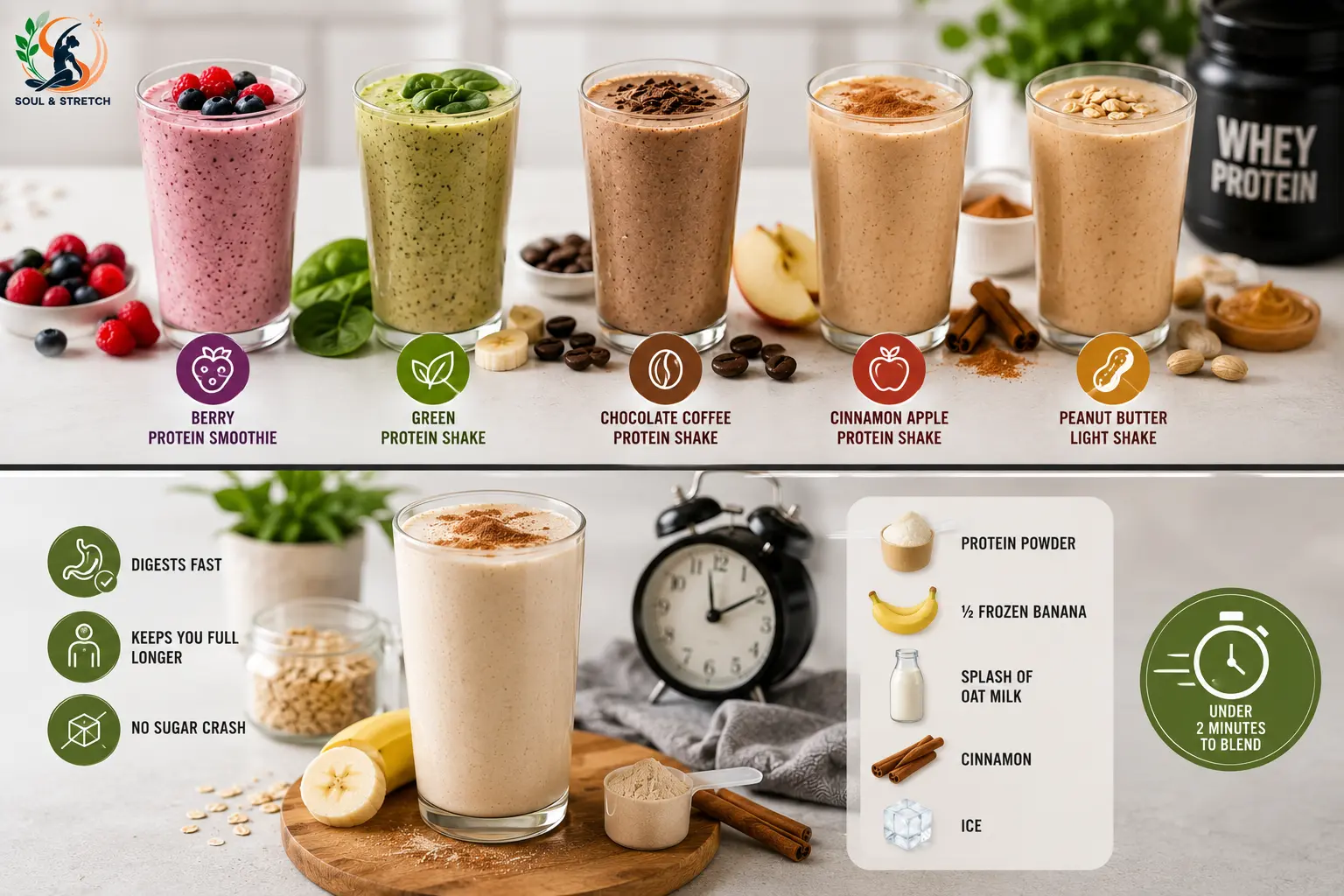
Here are a handful of protein shake recipes for fat loss I actually make on repeat. Not theoretical stuff pulled from nowhere by someone who's never blended anything in their life.
Berry protein smoothie: protein powder, frozen mixed berries, unsweetened almond milk, ice
Green protein shake: protein powder, spinach, half a banana, almond milk
Chocolate coffee protein shake: protein powder, cold brew coffee, ice, splash of oat milk
Cinnamon apple protein shake: protein powder, half an apple, cinnamon, unsweetened almond milk
Peanut butter light shake: protein powder, one tablespoon peanut butter, ice, water
Each of these lands comfortably under 300 calories while still delivering real protein. Which is honestly the whole point of protein shake recipes for fat loss in the first place, not just a trendy label slapped on a bottle.
High Protein Smoothie Recipes for Breakfast
Protein shakes for breakfast work especially well for people who genuinely aren't hungry first thing in the morning but still need fuel to actually function like a human.
Is a Protein Shake a Good Breakfast?
Yes. Honestly? A high protein breakfast smoothie can absolutely replace a traditional breakfast without any real downside. It digests fast, keeps you full through mid-morning and skips the sugar crash a bowl of cereal usually delivers an hour later. Which, again, most of us have lived through more than once.
Vanilla Protein Smoothie for Busy Mornings
A vanilla protein smoothie made with protein powder, half a frozen banana, a splash of oat milk and a little cinnamon takes under two minutes to blend. It's become my go-to breakfast protein shake on mornings. I'm rushing out the door with zero time to actually think about food or anything else really.
7 Day Meal Plan for Building Muscle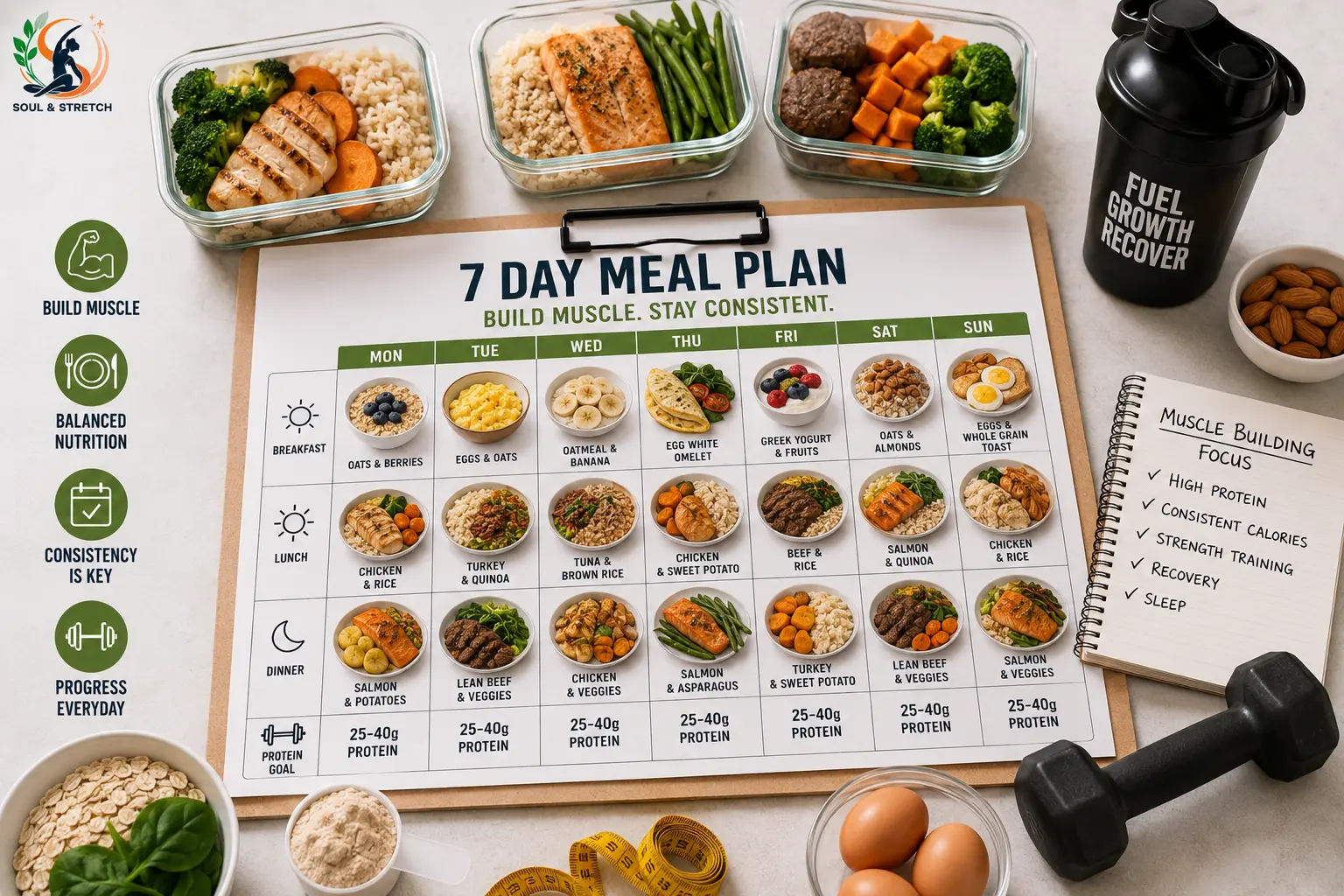
Shifting gears here, since muscle building nutrition matters just as much as fat loss shakes for a lot of readers. Maybe even more, honestly.
A 7 day meal plan for building muscle needs consistent protein at every meal, roughly 25 to 40 grams depending on your size, plus enough total calories to support real growth. A sample week might look like eggs and oats for breakfast, chicken and rice for lunch, salmon with potatoes for dinner, repeated with enough variety to avoid burning out on the same five meals by day four. Which happens more than people admit out loud.
This 7-day meal plan for muscle gain doesn't need to be complicated at all. Consistency matters way more than variety here, even though variety definitely helps you actually stick with it long term instead of quitting out of sheer boredom around week three.
If you're looking for a more structured framework instead of just winging it, our Team USA athletes meal plan breaks down the exact plate system sport dietitians actually use and it adapts really well for muscle building goals too, not just elite athletes.
Weight Gain Meal Plan and Lean Bulk Basics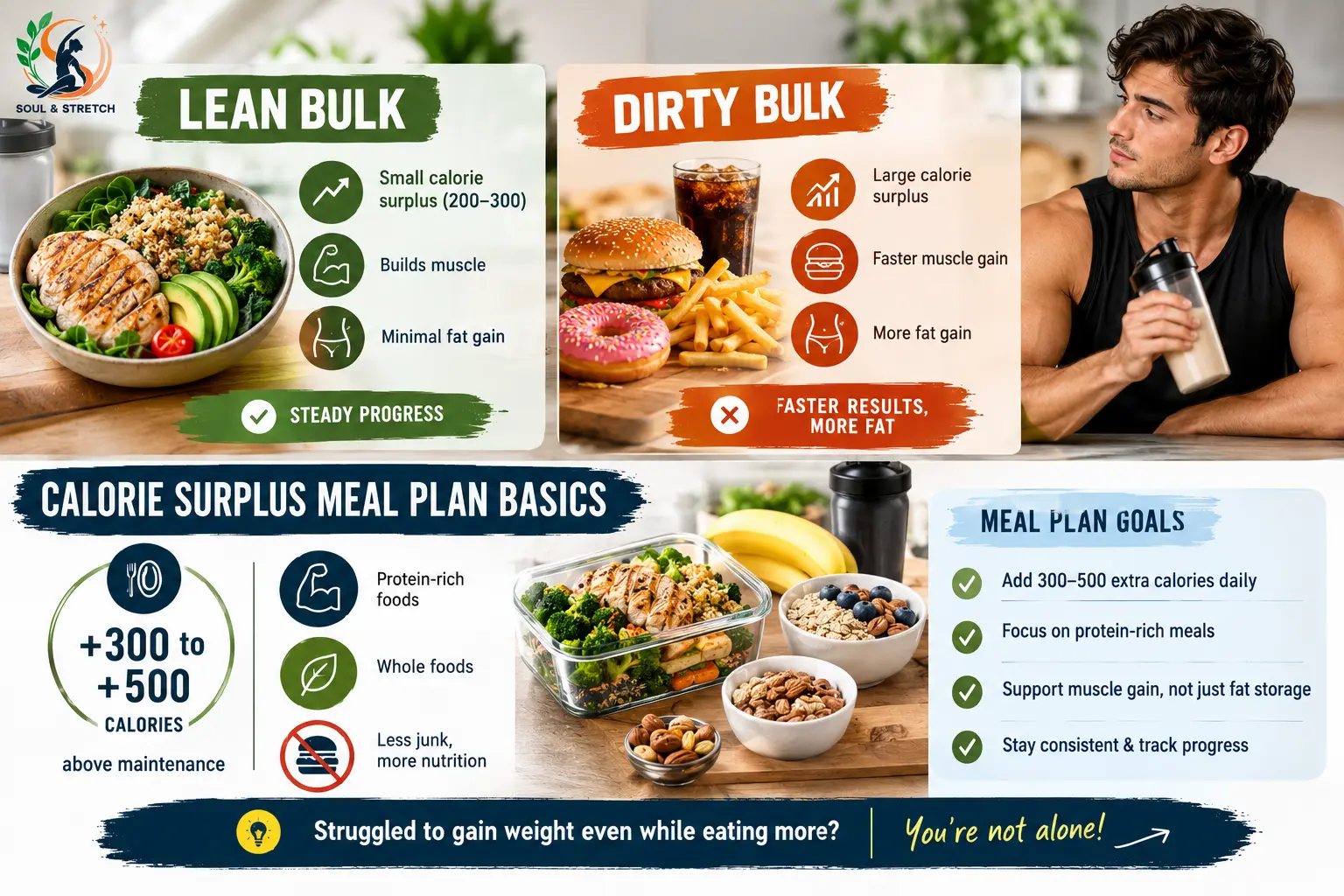
Gaining weight intentionally trips people up more than you'd expect. Mostly because eating in a surplus feels backwards after years of diet culture telling everyone to just eat less, always less.
Lean Bulk vs Dirty Bulk
A lean bulk means eating in a small, controlled calorie surplus, usually 200 to 300 calories above maintenance, to build muscle while minimizing fat gain. A dirty bulk throws caution out entirely, eating whatever and however much, which packs on muscle faster but drags along a lot more fat gain in the process too.
Most people I've coached end up happier long term going the lean bulk route. Even though it's slower. And honestly less fun in the short term, I won't pretend otherwise.
Calorie Surplus Meal Plan Basics
A calorie surplus meal plan for a weight gain meal plan generally adds an extra 300 to 500 calories daily above your maintenance number. Spreading those extra calories across protein-rich foods, rather than just piling on junk food because it's easy and fast, keeps the surplus working for muscle instead of purely fat storage.
Struggled to gain weight even while eating more? You're really not alone there, more people deal with this than you'd think. Our dietitian for weight gain piece covers the honest, unfiltered version of what actually worked when eating more on its own just wasn't cutting it anymore.
Carb Cycling Meal Plan Explained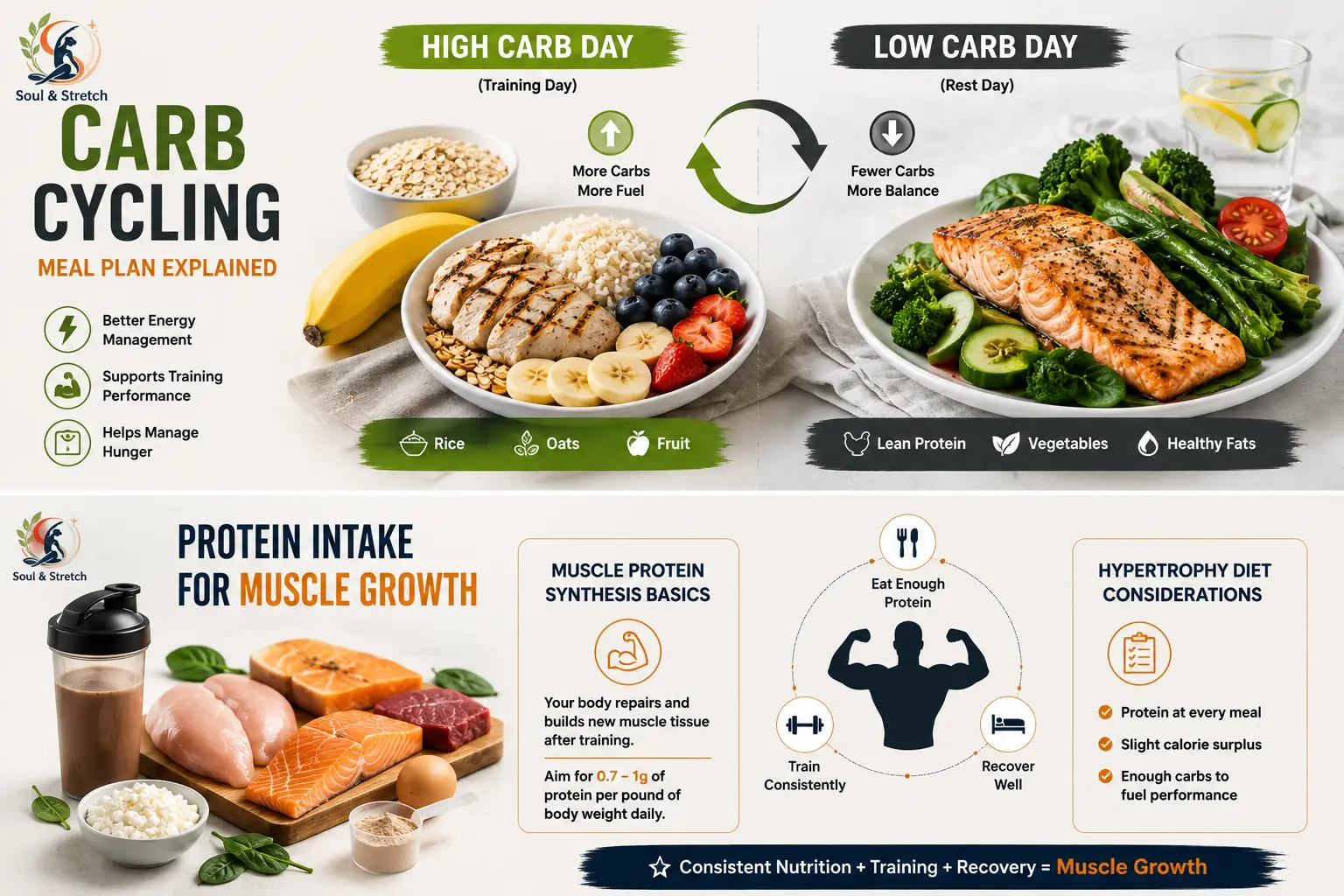
Carb cycling alternates higher carb days with lower carb days, usually syncing higher intake with harder training days and lower intake with rest days. A basic carb cycling meal plan might include higher carbs like rice, oats and fruit on lifting days, then leaner meals built around protein and vegetables on rest days.
This approach genuinely helps some people manage energy and hunger better than eating the exact same carb amount every single day regardless of activity level. Though I'll admit, it does take a bit more planning than just eating the same thing daily on autopilot.
Protein Intake for Muscle Growth
Protein intake for muscle growth is one of those topics everyone seems to have a strong opinion on and honestly, most of the confusion around it is completely unnecessary.
Muscle Protein Synthesis Basics
Muscle protein synthesis is the process your body uses to repair and build new muscle tissue after training. Eating enough protein throughout the day, roughly 0.7 to 1 gram per pound of body weight, gives your body the raw material it actually needs to keep this process running efficiently. Not just occasionally, not just after leg day.
Hypertrophy Diet Considerations
A hypertrophy diet built around muscle growth prioritizes protein at every meal, a slight calorie surplus and enough carbs to fuel actual training performance. Skimping on any one of these three pieces tends to slow progress down significantly, even if the other two are dialed in perfectly. Frustrating when it happens and you genuinely can't figure out why for weeks.
Easy Protein Shake Recipes for Busy Weeks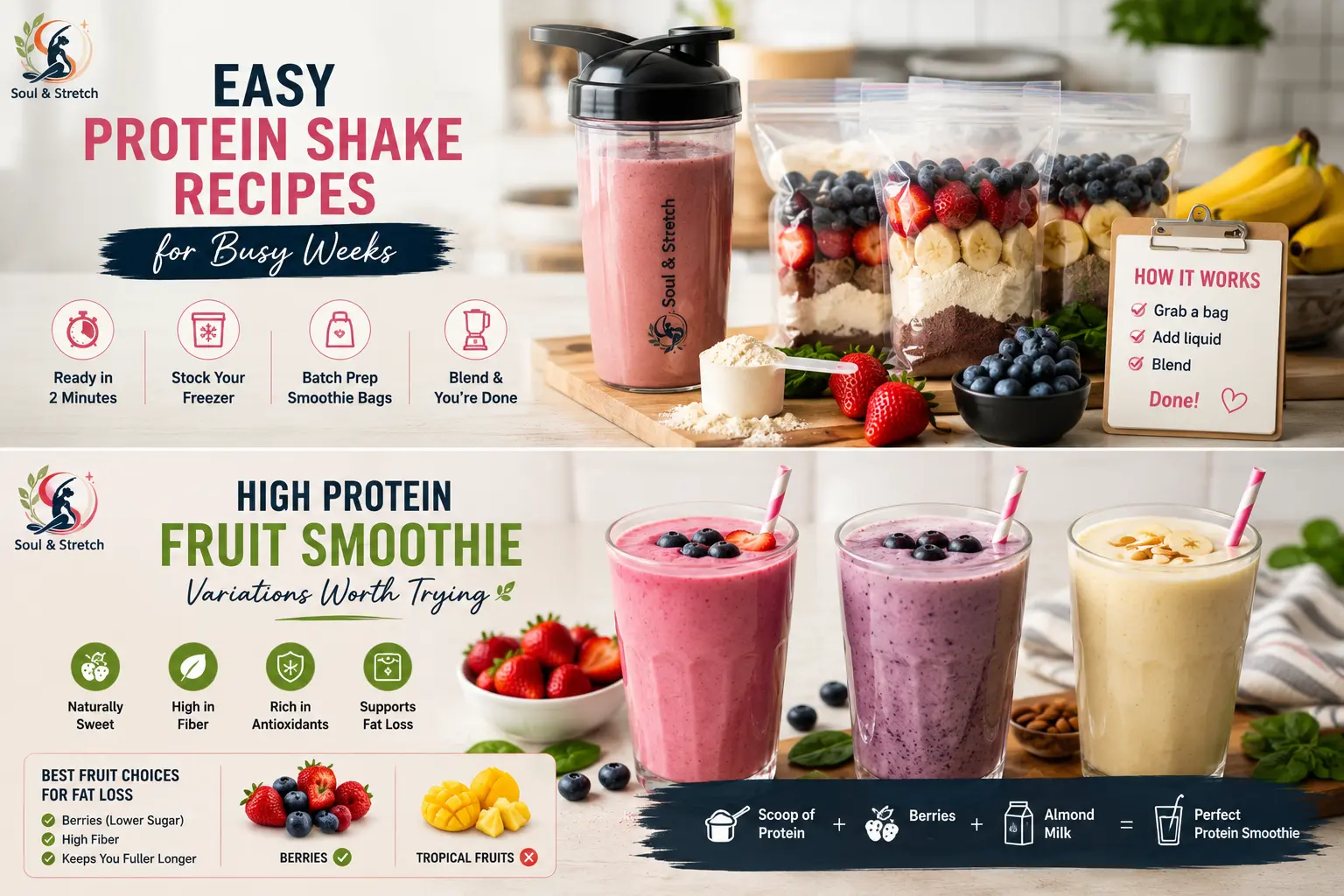
Some weeks just don't leave room for anything fancy at all and that's exactly when easy protein shake recipes earn their keep.
Keeping a stocked freezer with pre-portioned frozen fruit and a good protein powder on hand means you're never more than two minutes from a real meal replacement, even on the chaotic days.
Batch-prepping smoothie bags, protein powder scoop, frozen fruit, any extras all measured out in advance, saves a surprising amount of decision fatigue during a hectic week. Grab a bag. Add liquid. Blend. Done. Genuinely that simple, no exaggeration.
Simple protein shake recipes built around just three or four ingredients tend to get made more consistently than elaborate ones anyway. Complexity is honestly the enemy of consistency here, way more than people want to admit to themselves.
High Protein Fruit Smoothie Variations Worth Trying
Fruit adds natural sweetness to a protein smoothie without needing added sugar, but not all fruit combinations work equally well for fat loss goals specifically.
Berries genuinely deserve their reputation here, lower in sugar than tropical fruits like mango or pineapple while still delivering plenty of fiber and antioxidants. A high protein fruit smoothie built around strawberries or blueberries keeps things lighter calorically than one loaded with banana and mango, though a small amount of banana for texture rarely causes problems for most people chasing fat loss.
Mixing berries with a scoop of vanilla protein and a splash of unsweetened almond milk covers flavor, protein and fiber all in one glass, no overcomplicating anything necessary.
Protein Smoothies With Yogurt for Extra Creaminess
Adding Greek yogurt to a protein shake recipe boosts both protein content and texture considerably, giving you that thick, milkshake-like consistency without needing ice cream or extra sweeteners at all.
A high protein yogurt smoothie made with plain Greek yogurt, a scoop of protein powder and frozen berries often hits 30 grams of protein or more in a single serving. Genuinely impressive for something that takes under five minutes to throw together on a busy morning before work.
This approach also works well for anyone who finds plain protein powder shakes a little too thin or watery on their own, which honestly used to bug me for way longer than it should have before I figured this trick out. The yogurt fills that gap nicely while adding probiotics as a bonus most standard shakes don't offer at all.
How to Make a Protein Shake at Home
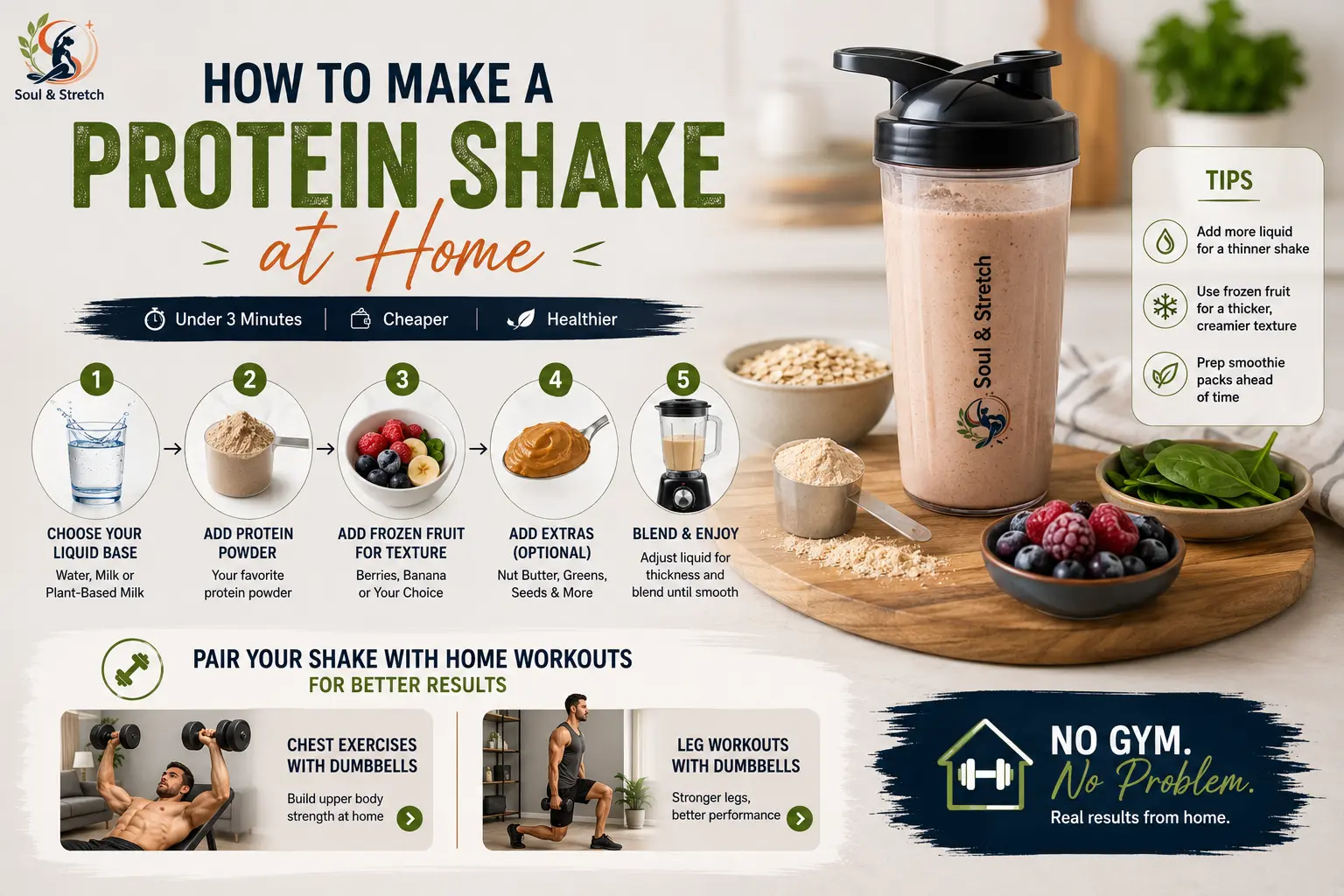
Making protein shakes at home is genuinely simple once you've got the basics down. Way simpler than most people assume before actually trying it themselves for the first time.
Start with your liquid base, water, milk or a plant-based alternative, then add your protein powder, a frozen fruit for texture and any extras like nut butter or greens. Blend until smooth, adjust liquid for thickness and you've got a homemade protein shake ready in under three minutes. Way cheaper than grabbing one from a shop down the street and honestly better tasting most of the time too, not that anyone advertises that part.
And if you're building this into a bigger training routine at home, our chest exercises with dumbbells and leg workouts with dumbbells guides pair well with these shakes for post-workout recovery. No gym membership required for either one, which is honestly the whole appeal.
Frequently Asked Questions
1. Is a protein shake good for fat loss?
Yes, when kept within a reasonable calorie range and paired with a balanced diet. Protein shakes support fat loss by keeping you fuller longer and preserving muscle mass while in a calorie deficit, which helps maintain metabolism during weight loss.
2. What to add to a protein shake for fat loss?
Add fiber-rich ingredients like spinach or chia seeds and stick to low-sugar fruits like berries instead of high-sugar options. Unsweetened almond milk or water works better than juice, keeping the shake filling without unnecessary added calories.
3. Which shake is best for belly fat loss?
No single shake specifically targets belly fat, since spot reduction isn't possible. A high protein, moderate calorie shake supporting overall fat loss, combined with a calorie deficit and regular exercise, indirectly reduces belly fat over time.
4. How many calories do I need to bulk?
Most people need roughly 300 to 500 calories above their maintenance level daily to bulk effectively. This creates a moderate surplus supporting muscle growth without excessive fat gain, though individual needs vary based on metabolism and activity level.
5. How much protein do I need to build muscle?
Most research supports roughly 0.7 to 1 gram of protein per pound of body weight daily for muscle building. Spreading this across three to five meals throughout the day supports consistent muscle protein synthesis better than eating it all at once.
6. What's a lean bulk vs dirty bulk?
A lean bulk uses a small, controlled calorie surplus to build muscle while limiting fat gain, while a dirty bulk involves eating excess calories with less structure, gaining muscle faster but with significantly more added fat along the way.
Conclusion
Whether you're chasing fat loss with the right protein shake recipes or building serious muscle through a structured weight gain meal plan, the fundamentals really don't change all that much once you strip away the noise. Enough protein, a calorie target that actually matches your goal, real consistency over weeks and months, that beats any trendy shortcut you'll find floating around online, every single time.
Start with one or two recipes or meal ideas from this guide, stick with them longer than feels comfortable at first and adjust as you actually learn what your body genuinely responds to.


Comments (0)
No comments yet. Be the first to share your thoughts!
Leave a Comment